
Varicose veins are a common condition affecting millions of people worldwide. They occur when vein valves weaken, causing blood to pool and veins to enlarge. While medical treatments are available, many people look for natural remedies for varicose veins to reduce symptoms and improve vein health without invasive procedures.
This guide explains the most effective varicose veins home treatment options, supported by medical insights and practical lifestyle strategies.
Let’s stop the ado and see the details-
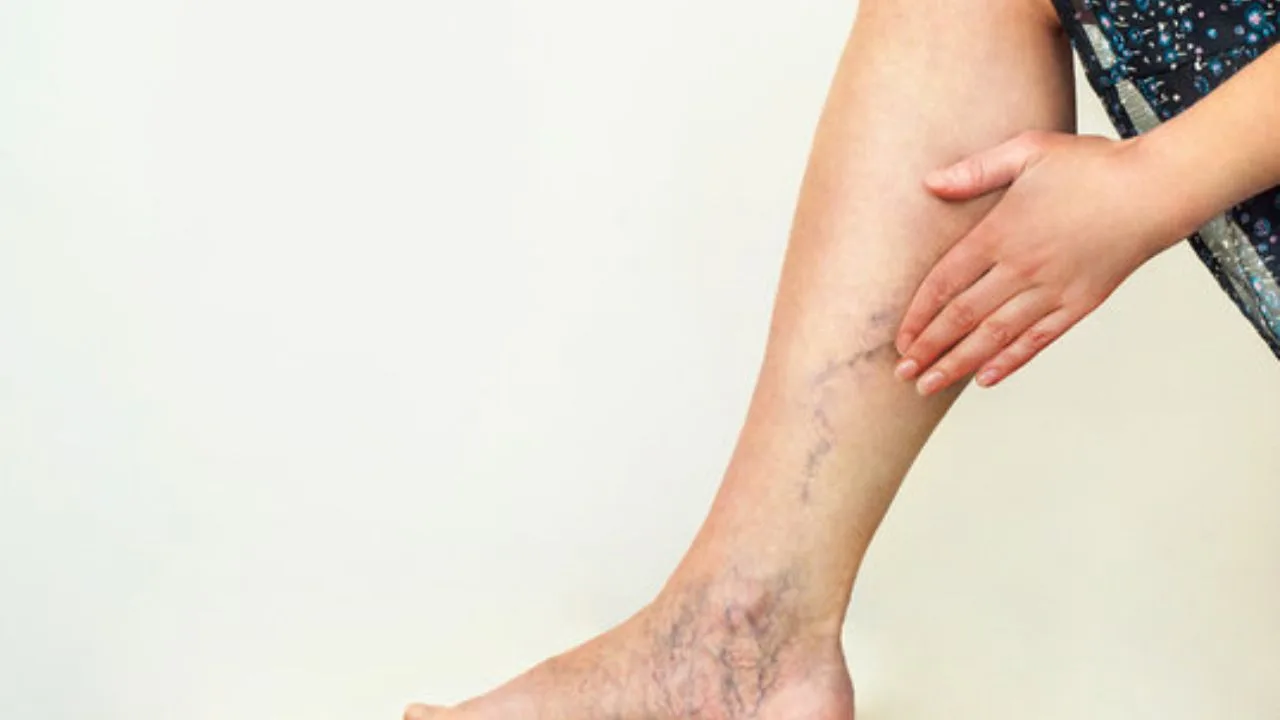
Well, before you know how to get rid of varicose veins naturally, let’s know what a varicose vein is at first. Well, Varicose veins are often linked to chronic venous insufficiency (CVI), where blood flow in the legs becomes inefficient. This can lead to symptoms such as:
While natural methods may not completely remove varicose veins, they can significantly reduce symptoms and prevent progression.
There is no guaranteed varicose veins natural cure that can permanently eliminate already damaged or enlarged veins. Once vein valves become weak or dysfunctional, they cannot fully repair themselves through natural methods alone. However, consistent use of natural remedies for varicose veins can play a significant role in managing symptoms and slowing disease progression.
Natural approaches can:
These methods work by enhancing blood flow, reducing pressure in the veins, and strengthening surrounding muscles that assist circulation. Over time, this can lead to noticeable relief from symptoms such as heaviness, fatigue, and mild pain.
According to the American Heart Association, lifestyle changes-particularly regular physical activity and maintaining a healthy weight are essential for improving circulation and reducing vein-related symptoms. Activities like walking, swimming, and leg-strengthening exercises help the calf muscles function as a “pump,” pushing blood back toward the heart more efficiently.
In addition, adopting healthy daily habits can further support vein health:
While these varicose veins home treatment strategies are highly beneficial, they are most effective in early or mild cases. For more advanced conditions, combining natural care with medical evaluation often provides the best long-term results.
Managing varicose veins naturally focuses on improving blood circulation, reducing pressure in the veins, and supporting overall vascular health. While these methods may not completely remove visible veins, they can significantly ease symptoms and prevent the condition from worsening over time. Incorporating simple daily habits and lifestyle changes can make a noticeable difference in comfort and leg health.
Physical activity improves circulation and helps blood flow more efficiently through the veins. It strengthens the calf muscles, which act as a natural pump to push blood upward.
Effective exercises include:
Even 30 minutes of daily walking can significantly reduce symptoms such as heaviness and swelling.
Raising your legs above heart level reduces pressure in the veins and improves blood return to the heart. This simple method helps reduce swelling and discomfort.
How to do it:
Compression stockings are one of the most effective non-medical treatments for varicose veins. They apply gentle pressure to the legs, helping veins move blood upward more efficiently.
Benefits include:
Excess body weight increases pressure on leg veins, which can worsen symptoms and accelerate vein damage.
Benefits of weight management:
Some plant-based treatments may help ease symptoms, although scientific evidence is limited and varies by individual.
Common options include:
According to the National Center for Complementary and Integrative Health, herbal remedies may provide symptom relief but should be used carefully and ideally under medical guidance.
A healthy diet supports vascular health and helps reduce inflammation that can worsen vein symptoms.
Recommended foods:
Staying in one position for too long allows blood to pool in the legs, increasing pressure in the veins.
Helpful tips:
These home-based strategies are effective for managing symptoms and improving daily comfort, especially in early-stage varicose veins. However, they do not repair damaged veins. If symptoms persist or worsen, such as severe pain, swelling, or skin changes, medical evaluation is important for long-term treatment options.
While these methods can improve symptoms, they do not repair damaged veins. If you experience persistent pain, swelling, skin changes, or worsening symptoms, professional evaluation is important. Early medical guidance can prevent complications and provide more effective long-term solutions.
Many vascular specialists emphasize that natural care is supportive, not curative.
“Lifestyle changes can significantly improve symptoms of varicose veins, but they do not eliminate the underlying vein damage,” – Dr. Mark Meissner
This highlights the importance of combining natural remedies with medical evaluation when needed. However, while home remedies for varicose veins can help manage symptoms, you should consult a specialist if you experience:
Medical treatments such as laser therapy, radiofrequency ablation, or vein glue may be required in advanced cases.
While natural remedies can help reduce symptoms and improve circulation, they do not eliminate the underlying vein damage. That’s why seeking professional evaluation is essential, especially if symptoms persist or worsen over time.
If you are considering long-term solutions beyond home care, exploring professional options for
Various vein treatments can help address the root cause of the condition and prevent complications.
A qualified vascular specialist can determine whether lifestyle changes are sufficient or if medical intervention is necessary. Combining natural remedies for varicose veins with expert guidance ensures safer, more effective, and long-lasting results.
Varicose vein itching is a common but often overlooked symptom of chronic venous insufficiency. It usually occurs around visibly enlarged veins, especially in the lower legs and ankles. The itching sensation can range from mild irritation to persistent discomfort and is often accompanied by dryness, skin discoloration, or a burning feeling.
This symptom develops because weakened vein valves allow blood to pool, increasing pressure in surrounding tissues. Over time, this can lead to inflammation in the skin, making it more sensitive and prone to itching.
However, Several simple home-based methods can help reduce itching, soothe irritation, and improve comfort in areas affected by varicose veins. These remedies focus on calming the skin and improving circulation.
These natural approaches can significantly improve symptoms, but persistent itching may require medical evaluation to address underlying vein issues.
So finally, if you’re wondering how to get rid of varicose veins naturally, the answer lies in consistent lifestyle changes and supportive care. While a complete natural cure for varicose veins may not be possible, natural methods can greatly improve comfort, circulation, and overall vein health.
Combining natural remedies for varicose veins with early medical guidance offers the best long-term results. That’s all for today!