Have you ever looked at your legs and wondered, Are varicose veins more than cosmetic? You’re not alone, and it’s completely normal to feel concerned. Those bulging, twisted veins might make you self-conscious, but they can also be a signal that something deeper is happening in your circulation.
While some veins are harmless and mostly a cosmetic issue, others can lead to discomfort, swelling, or even more serious health problems if left untreated. Knowing when varicose veins are just about appearance and when they need medical attention can help you protect both your legs’ health and your confidence.
In this guide, we’ll walk you through what to watch for, why veins hurt, and the safest ways to treat them.
What Are Varicose Veins?
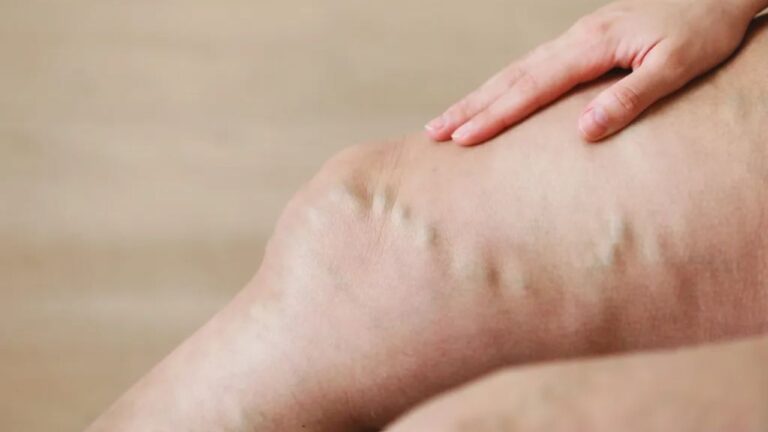
Varicose veins occur when vein valves fail to function properly. These valves normally keep blood flowing from your legs back to your heart. When they weaken, blood can pool in the veins, causing:
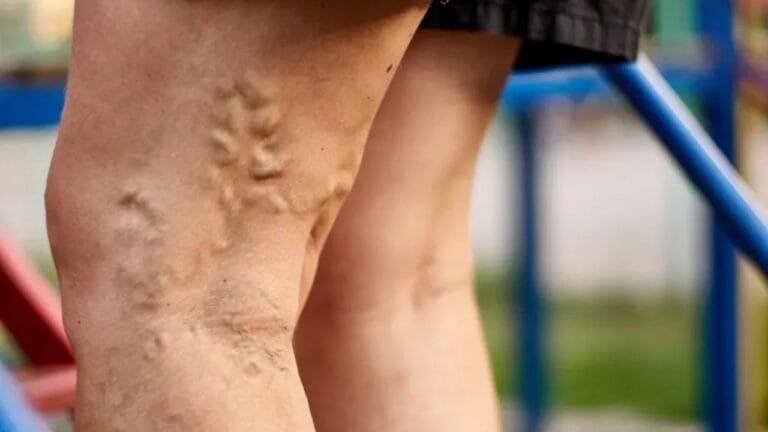
- Swollen, twisted, or bulging veins.
- Leg heaviness or fatigue.
- Discomfort or aching.
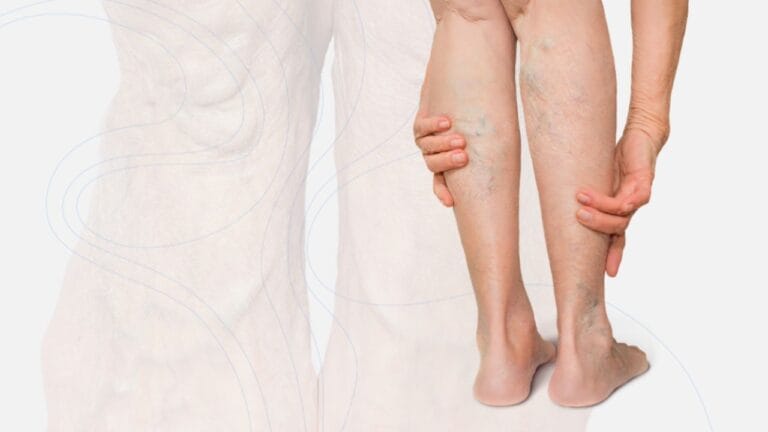
While spider veins are usually small and cosmetic, varicose veins are larger, raised, and can indicate circulation issues.
Are Varicose Veins Only a Cosmetic Issue?
The short answer is not always. While some varicose veins are mainly a cosmetic concern, many can be a sign of chronic venous insufficiency (CVI), a condition where blood does not flow back to the heart efficiently. When blood pools in the legs, it puts pressure on the veins and surrounding tissue. If left untreated, this can lead to inflammation, skin changes, circulation problems, and more serious complications over time.
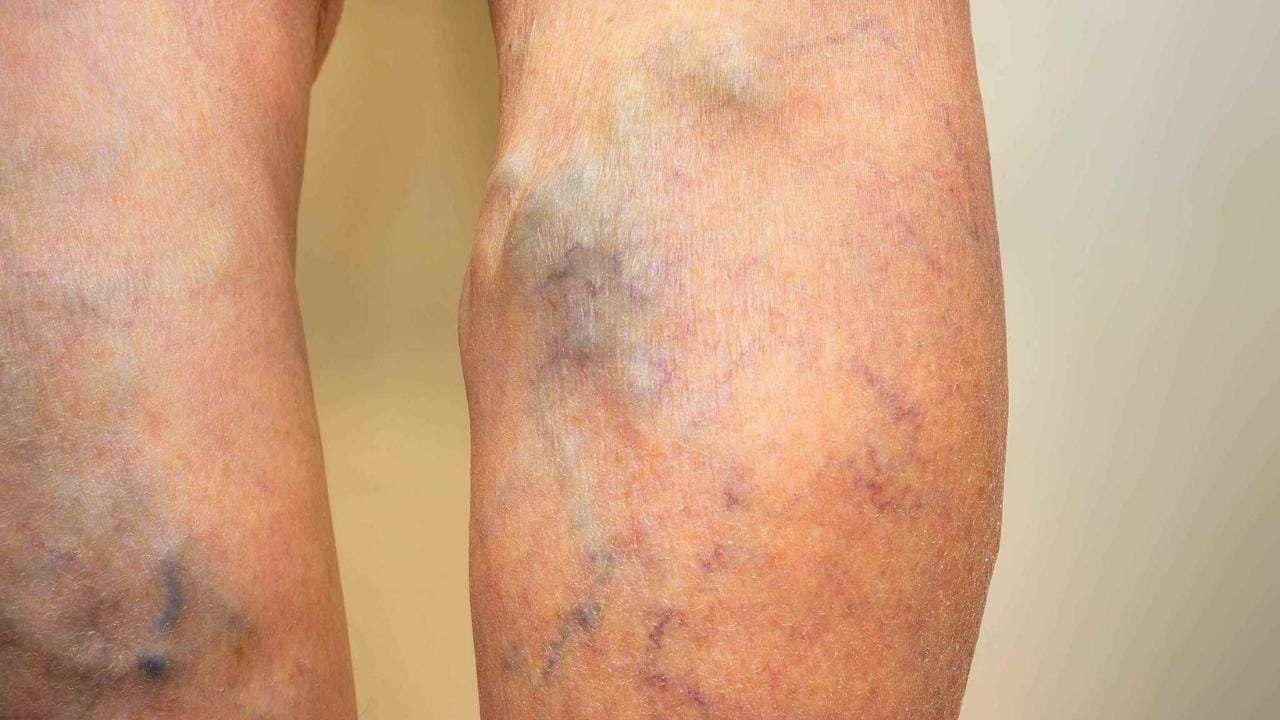
Certain symptoms suggest that varicose veins may require medical attention rather than just cosmetic care. These include ongoing aching, heaviness, or fatigue in the legs, swelling that worsens by the end of the day, burning or tingling sensations, throbbing pain, and nighttime leg cramps or restless legs. These signs often indicate that the veins are not functioning properly.
Even visible changes that seem cosmetic can signal disease progression. An increasing number of noticeable veins, veins that become darker, harder, or painful, and changes in skin color or texture near the affected area may all point to underlying vein damage. Recognizing these warning signs early can help prevent further progression and protect long-term leg health.
When Varicose Veins Are More Than Cosmetic?
Varicose veins are more than cosmetic if they:
- Chronic venous insufficiency (CVI), Persistent blood pooling damages the vein walls and surrounding tissue. Over time, this can lead to inflammation, swelling, and skin changes.
- Cause symptoms Aching, throbbing, burning, tingling, swelling, night cramps, and restless legs, are all red flags.
- Show disease progression visually Veins becoming darker, firmer, or more painful; new veins forming; skin discoloration; or texture changes near affected areas.
Statistics further highlight how common this issue is. Research shows that up to 40% of women and 17% of men may develop chronic venous insufficiency during their lifetime. Additionally, about 25% of healthcare workers experience varicose veins due to prolonged standing, according to findings reported in NCBI and PubMed. (NCBI, PubMed)
Potential Complications of Untreated Varicose Veins
Chronic Venous Insufficiency (CVI):
When varicose veins are left untreated, blood can continue to pool in the affected veins, leading to chronic venous insufficiency. This persistent pooling causes swelling, leg heaviness, and long-term damage to the skin and surrounding tissues. Over time, CVI can make walking or standing uncomfortable and may lead to further vein deterioration if not addressed.
Venous Eczema and Dermatitis:
Varicose veins can contribute to venous eczema or dermatitis, a condition characterized by itchy, inflamed, and red skin near the affected veins. The inflammation is often caused by poor circulation and increased pressure in the veins, and it can become a chronic issue if the underlying venous problem is not treated.
Hyperpigmentation:
Chronic vein problems may result in hyperpigmentation, where the skin develops brown or dark patches. This occurs due to the accumulation of iron from the pooled blood in the skin. Hyperpigmentation is often a sign of ongoing vein stress and can be a precursor to more serious skin changes.
Lipodermatosclerosis:
Lipodermatosclerosis is a condition in which the skin around the ankles or lower legs becomes hardened, tight, and sometimes painful. This occurs due to long-term inflammation and poor blood flow, and it can significantly affect mobility and comfort if varicose veins remain untreated.
Venous Ulcers:
One of the most serious complications of untreated varicose veins is venous ulcers. These are slow-healing wounds that develop due to insufficient blood flow and oxygen delivery to the skin. Venous ulcers can be painful, prone to infection, and often require long-term medical management to heal fully.
Superficial Thrombophlebitis:
Varicose veins may also lead to superficial thrombophlebitis, which involves localized clotting in inflamed veins near the skin’s surface. This condition can cause significant pain, redness, and swelling, and although it is usually not life-threatening, it signals that your veins are under severe stress.
Deep Vein Thrombosis (DVT) Risk:
In rare cases, untreated varicose veins can contribute to deep vein thrombosis (DVT), where clots form in the deeper veins of the legs. DVT is particularly dangerous because a clot can travel to the lungs, causing a potentially life-threatening pulmonary embolism. While uncommon, this risk highlights the importance of monitoring and treating problematic veins.
How to Know If Your Varicose Veins Need Treatment?
Seek professional evaluation if you notice ongoing leg discomfort or visible changes that worsen over time. Persistent pain, heaviness, swelling by the end of the day, or skin discoloration around the ankles are common warning signs that your veins may need medical attention. Veins that continue to enlarge, bleed easily, or cause daily discomfort should never be ignored.
Diagnostic tools such as duplex ultrasound and venous reflux testing allow doctors to assess blood flow and valve function accurately. These tests help determine whether your veins are purely cosmetic or part of a deeper circulation issue that requires treatment.
If you are unsure whether your varicose veins are cosmetic or medical, consulting an experienced vein specialist is the safest next step. A proper evaluation can identify circulation problems early and prevent long-term complications. Specialists like Dr. Rema Malik focus on accurate diagnosis and personalized treatment planning, helping patients choose the most effective and least invasive option for their condition.
Seek professional evaluation if you notice:
- Persistent pain, heaviness, or swelling in your legs.
- Skin discoloration, thickening, or ulcers.
- Veins that bleed easily or keep enlarging.
Diagnostic tools include:
- Duplex Ultrasound: Maps blood flow and identifies valve dysfunction.
- Venous Reflux Testing: Measures backward blood flow in veins.
Treatment Options Beyond Cosmetic Reasons
While cosmetic treatments focus on appearance, many varicose vein cases require medical intervention to improve circulation and prevent complications. Modern vein treatments are minimally invasive and designed to restore healthy blood flow while relieving symptoms such as pain, swelling, and fatigue.
Common treatment options include endovenous laser treatment (EVLT), radiofrequency ablation (RFA), and ultrasound-guided foam sclerotherapy. These procedures work by closing damaged veins and redirecting blood to healthier veins, reducing pressure and discomfort in the legs.
Many patients also wonder about the time commitment involved. A frequent question is how long does cosmetic vein treatment take, and the answer is often reassuring. Most minimally invasive vein procedures are completed in under an hour, with little to no downtime. Many patients return to normal daily activities the same day, making treatment practical even with a busy schedule.
When Surgery Is Considered?
Surgery is typically recommended for large, recurrent, or complicated varicose veins that cannot be effectively treated with minimally invasive procedures. If EVLT, RFA, or sclerotherapy fail to improve symptoms, surgical options like vein stripping or phlebectomy may be necessary to restore proper circulation and prevent complications.
Prevention Strategies
Maintaining healthy veins and preventing the progression of varicose veins can often be achieved through simple daily habits and lifestyle modifications:
Daily Actions:
- Walk daily to boost circulation.
- Avoid sitting or standing for long periods without breaks.
- Elevate your legs during rest to reduce pressure and swelling.
Workplace and Lifestyle Modifications:
- Use ergonomic seating to reduce leg strain.
- Wear compression stockings if your job involves prolonged standing or sitting.
Is It Ever Too Late to Treat Varicose Veins?
Some people delay care because they believe their vein condition has progressed too far to fix. A common concern is Is It Too Late To Get Cosmetic Vein Treatment? In most cases, the answer is no. Even long-standing varicose veins can often be treated successfully using modern techniques.
Advances in vein care mean that both cosmetic and symptomatic veins can be addressed safely, even after years of progression. While earlier treatment helps prevent complications, treatment at later stages can still relieve discomfort, improve circulation, and significantly enhance the appearance of the legs.
Conclusion
So, are varicose veins more than cosmetic? Absolutely! They can be an early sign of chronic venous insufficiency or other circulation issues. Early evaluation and treatment can prevent complications, improve leg health, and enhance appearance. Even if your varicose veins seem mostly cosmetic, consulting a vein specialist is the safest approach.
Modern minimally invasive procedures, supportive measures, and lifestyle adjustments allow you to look and feel your best without major downtime.
FAQ
Do Varicose Veins Lead to Serious Health Problems?
While many are cosmetic, untreated varicose veins can lead to complications like skin changes, ulcers, or chronic venous insufficiency.
Can Varicose Veins Cause Blood Clots?
Yes, although uncommon, varicose veins can increase the risk of superficial or deep vein thrombosis (DVT). Early evaluation reduces risks.
How Do I Know If My Varicose Veins Are Becoming Dangerous?
Warning signs include persistent leg pain, swelling, skin discoloration, non-healing wounds, or veins that bleed easily.
Are Spider Veins Different From Varicose Veins?
Absolutely. Spider veins are smaller, closer to the skin surface, and mainly cosmetic. Varicose veins are larger, deeper, and may indicate underlying vein disease.
When Should I Seek Medical Treatment?
If you experience discomfort, swelling, skin changes, or worsening vein appearance, it’s time to consult a vein specialist for evaluation.
Reference:
- American Vein & Lymphatic Society (AVLS). Varicose Veins: Diagnosis and Treatment Options. Available at: https://www.veinhealth.org
- Gloviczki, P., et al. (2021). The Care of Patients with Varicose Veins and Chronic Venous Disease: Clinical Practice Guidelines of the Society for Vascular Surgery and the American Venous Forum. Journal of Vascular Surgery, 73(1S), 3S–21S.
- National Institute of Health (NIH). Varicose Veins: Causes, Symptoms, and Treatments. Available at: https://www.nih.gov
- Rabe, E., et al. (2019). European Guidelines for the Management of Chronic Venous Disease of the Lower Limbs. Phlebology, 34(1_suppl), 3–60.
- Mayo Clinic. Varicose Veins: Treatments and Procedures. Available at: https://www.mayoclinic.org
- National Heart, Lung, and Blood Institute (NHLBI). Venous Disorders Overview. Available at: https://www.nhlbi.nih.gov