Spider veins may be tiny, but their impact on confidence can feel huge. Whether they show up on your legs, ankles, or even your face, the good news is this: today’s cosmetic treatments are safer, faster, and more effective than ever. If you’re ready to smooth out those visible veins and feel great in your skin again, this guide walks you through the best procedures, what to expect, and how to choose the right option for you.
Let’s go into the details-
What Are Spider Veins?
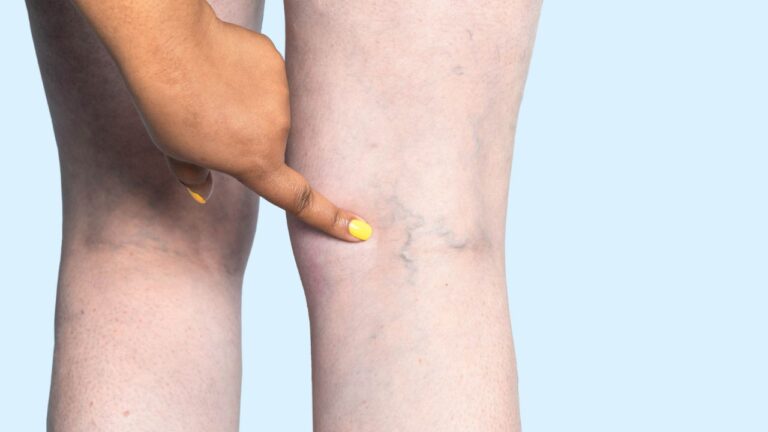
Spider veins (telangiectasias) are small, thin, red, blue, or purple veins that appear just under the skin’s surface. They usually look like webs, branches, or fine lines.
They commonly appear on:
- Legs
- Ankles
- Face (especially cheeks and nose)
Spider veins happen when tiny blood vessels dilate or weaken. While they’re mostly a cosmetic concern, they can occasionally cause mild burning or itching.
What Is the Best Cosmetic Procedure To Treat Spider Veins?
The best treatment depends on where the veins are, how large they are, your skin type, and whether there’s any underlying vein disease. Overall, sclerotherapy is considered the gold standard for leg spider veins, while laser treatments work great for facial spider veins.
Before scheduling any procedure, many patients also ask how to select a spider vein treatment (cosmetic procedure) that suits their specific vein type, skin tone, and lifestyle. Consulting a vein specialist helps narrow down the safest and most effective options tailored to individual needs.
Best Cosmetic Procedures to Treat Spider Veins
When it comes to clearing up spider veins, you’re not limited to just one solution. Modern cosmetic treatments offer several effective options, each designed to target these tiny, twisted veins quickly and safely.
The best part? Most procedures are minimally invasive, require little downtime, and deliver noticeable results. Before choosing the right one, it helps to understand what each option does and how it works for different skin types and vein patterns.
Let’s walk through the top treatments trusted by specialists today.
1. Sclerotherapy (Gold Standard for Legs)
Sclerotherapy involves injecting a special solution directly into the spider vein. This irritates the vein wall, causing it to collapse and fade over a few weeks.
Best for:
- Leg spider veins
- Smaller varicose veins
- Blue or purple veins under 4 mm
Why people love it:
- Quick (10-20 minutes).
- No anesthesia needed.
- Highly effective up to 80-90% clearance.
- Affordable compared to other treatments.
2. Laser Vein Treatment
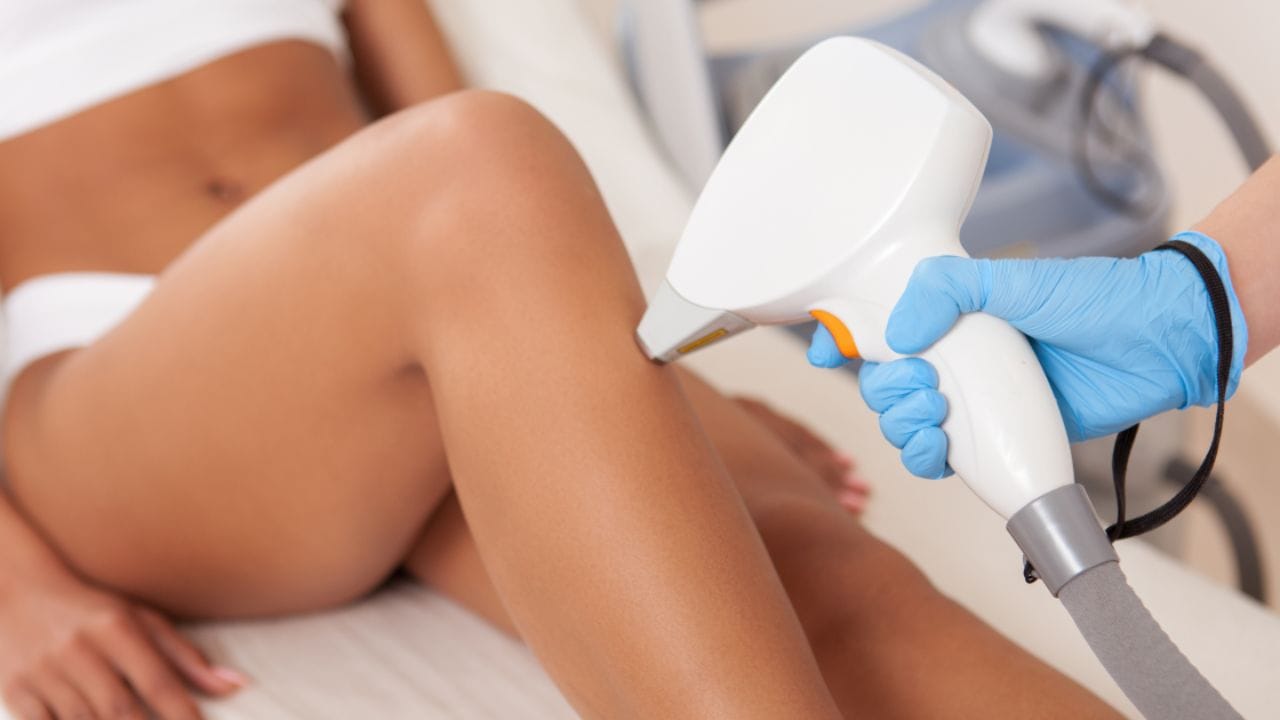
Laser energy targets tiny, shallow veins and seals them shut without needles. It’s perfect for areas with thin, sensitive skin.
Best for:
- Facial spider veins.
- Small red veins.
- Patients are afraid of injections.
Benefits:
- No needles.
- Minimal downtime.
- Great precision.
3. IPL (Intense Pulsed Light) Therapy
IPL uses broad-spectrum light to target small surface veins while also improving overall skin tone.
Best for:
- Fine, widespread facial spider veins.
- Redness (rosacea-type skin).
Bonus benefit:
Improves pigmentation and skin texture along with veins.
4. Endovenous Laser Therapy (EVLT)
EVLT is usually not the first choice for spider veins, but is used if an underlying deeper vein problem is feeding those surface veins.
Best for:
- Larger veins cause spider veins.
- Venous reflux confirmed by ultrasound.
5. Radiofrequency Ablation (RFA)
Similar to EVLT but uses radiofrequency heat instead of laser.
Best for:
- Larger dysfunctional veins beneath spider veins.
- Patients need deeper correction before cosmetic treatment.
How To Choose the Right Procedure?
Not every spider vein needs the same treatment. Factors like vein size, skin type, and medical history guide the decision. A vein specialist can help answer patient questions like how long does cosmetic vein treatment take, so you know what to expect and can plan your schedule accordingly. Choosing wisely ensures better results, fewer side effects, and a smoother experience overall.
1. Consider Vein Size
Small, very fine spider veins often respond best to laser or IPL treatments. Slightly larger or more stubborn veins are usually treated more effectively with sclerotherapy. Vein size plays a big role in deciding which method will clear them fastest.
2. Consider Skin Type
Your skin tone and sensitivity matter. Some lasers work better for lighter skin tones, while others are safer for darker skin to reduce the risk of pigmentation. Your specialist will match the technology to your skin safely.
3. Specialist Consultation
A vein specialist will examine your legs, review your history, and may use an ultrasound to understand what’s happening beneath the surface. Their recommendations ensure you’re picking the safest and most effective option for long-lasting results.
Treatment Process and What To Expect
Understanding what happens before, during, and after your spider vein treatment can make the whole experience feel a lot smoother. Here’s a simple breakdown of each stage so you know exactly what to expect.
Pre-Treatment Steps
Before your appointment, your vein specialist will review your medical history and take a close look at the areas being treated. You may be asked to avoid tanning, pause certain medications, or skip lotions on treatment day. These small prep steps help ensure the best and safest results.
During the Procedure
Spider vein treatments are quick and easy. Whether you’re getting sclerotherapy, laser therapy, or IPL, you’ll feel only mild stinging or warmth. Most sessions take about 15–30 minutes, and you can head home right afterward. No downtime, no major discomfort.
Recovery Timeline
Recovery is usually very simple. You might notice slight bruising, mild swelling, or temporary skin discoloration totally normal and usually gone in a few days to a few weeks. Light walking is encouraged, but you’ll want to avoid intense workouts, hot tubs, and direct sun for a short period. Most people go back to their normal routine the same day.
Risks and Side Effects
Spider vein treatments are generally very safe, especially when done by an experienced vein specialist. Still, like any cosmetic procedure, you may experience a few temporary effects or very rarely, more serious complications. Knowing what to expect helps you feel prepared and confident.
Temporary Effects (Common and Mild)
These usually fade within a few days to a few weeks:
- Swelling – Mild puffiness around treated veins is normal and short-lived.
- Bruising – Light purple or blue marks may appear but fade on their own.
- Mild Discomfort – Slight stinging, tightness, or tenderness is common right after treatment.
Rare Complications (Uncommon but Possible)
These happen infrequently but are important to know:
- Hyperpigmentation – Temporary darkening of the skin over the treated vein.
- Matting – Tiny new red veins may appear near the treated area.
- Allergic Reactions – Very rare, usually related to the sclerotherapy solution.
For expert guidance, consider consulting Dr. Rema Malik, a trusted specialist in spider vein treatments who can provide personalized advice and a treatment plan tailored to your needs.
Cost of Spider Vein Cosmetic Treatments
The cost of treating spider veins can vary based on the procedure, the number of veins treated, the clinic location, and how many sessions you need. Most cosmetic spider vein treatments aren’t covered by insurance because they’re considered elective.
Typical price ranges include:
- Sclerotherapy: $300-$600 per session.
- Laser Vein Treatment: $250-$500 per session.
- IPL Therapy: $300-$700 per session.
- EVLT or RFA: $1,500-$3,000 per leg (used more for larger veins).
Your specialist will give you a personalized estimate after an evaluation.
Long-Term Results and Maintenance
Spider vein treatments deliver long-lasting results, but new veins can still appear over time, especially if you have underlying risk factors like genetics, pregnancy, or long hours of standing.
To maintain results:
- Wear compression stockings when recommended.
- Protect skin from the sun to prevent pigment changes.
- Follow-up sessions every 1-2 years if new veins develop.
- Maintain a healthy weight and stay active to support leg circulation.
Most patients enjoy smooth, clearer-looking skin for years with proper care.
Conclusion
Spider vein treatments are safe, effective, and customizable at any age. Whether you prefer injections, lasers, or light-based therapies, today’s cosmetic procedures can restore clearer skin with minimal downtime. The key is choosing the right option based on your vein type, skin tone, and overall goals. With expert guidance, you can achieve natural, beautiful results and maintain them long-term.
FAQs
How long do spider vein treatments last?
Most results last several years, but touch-ups may be needed if new veins appear.
Maintaining a healthy lifestyle can help results last even longer.
Does spider vein removal hurt?
Most people feel only mild stinging or warmth that lasts a few seconds.
The discomfort is minimal, and most patients return to normal activities right away.
How many sessions will I need?
Many patients need 1-3 sessions, depending on the number and size of the veins.
Your doctor will customize the treatment plan based on your vein severity.
Can spider veins come back after treatment?
Treated veins don’t return, but new ones may form over time due to genetics or lifestyle.
Regular checkups help manage new veins before they become noticeable.
Is spider vein treatment safe for all skin types?
Yes. though some lasers work better for certain skin tones. Your specialist will guide you.
Discuss your skin concerns during the consultation to choose the safest option.
Reference
- American Vein & Lymphatic Society (AVLS)
- American College of Phlebology
- Journal of Vascular Surgery: Venous and Lymphatic Disorders