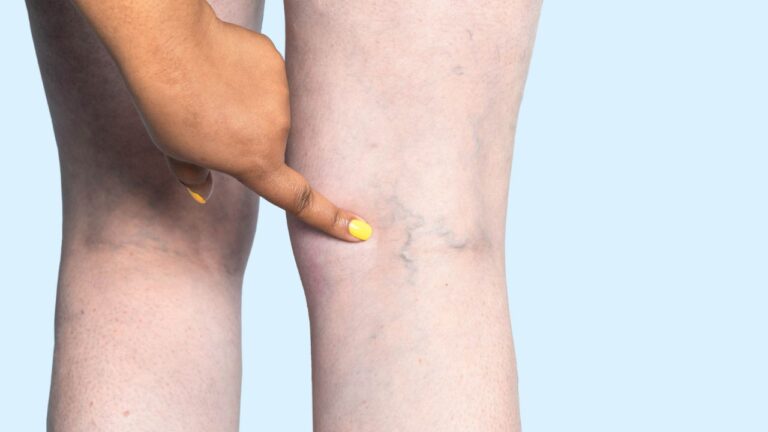
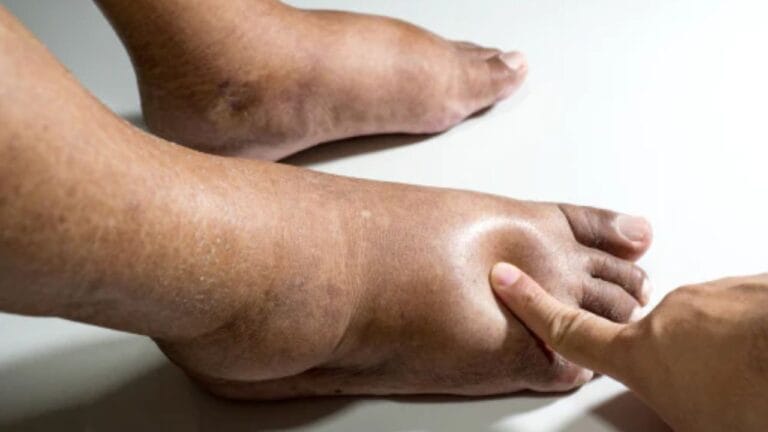
Spider veins are small, thin veins visible on the surface of the skin, often appearing red, blue, or purple. While usually harmless, they can affect confidence and sometimes cause mild discomfort. Blue light laser therapy is a modern, minimally invasive treatment that uses focused light energy to target these veins. It is safe, effective, and requires little to no downtime, making it a popular option for people seeking cosmetic improvement.
This guide explains how the therapy works, who is a good candidate, its benefits, risks, recovery, and costs. Let’s see the details of blue light laser therapy for spider veins in the following way-
What Is Blue Light Laser Therapy for Spider Veins?
Blue light laser therapy is a non-invasive procedure designed to treat small, visible veins on the skin’s surface. The treatment uses high-intensity blue light to selectively target the tiny blood vessels without damaging surrounding tissue. The light energy heats the vein, causing it to collapse and gradually fade as the body naturally absorbs it over time.
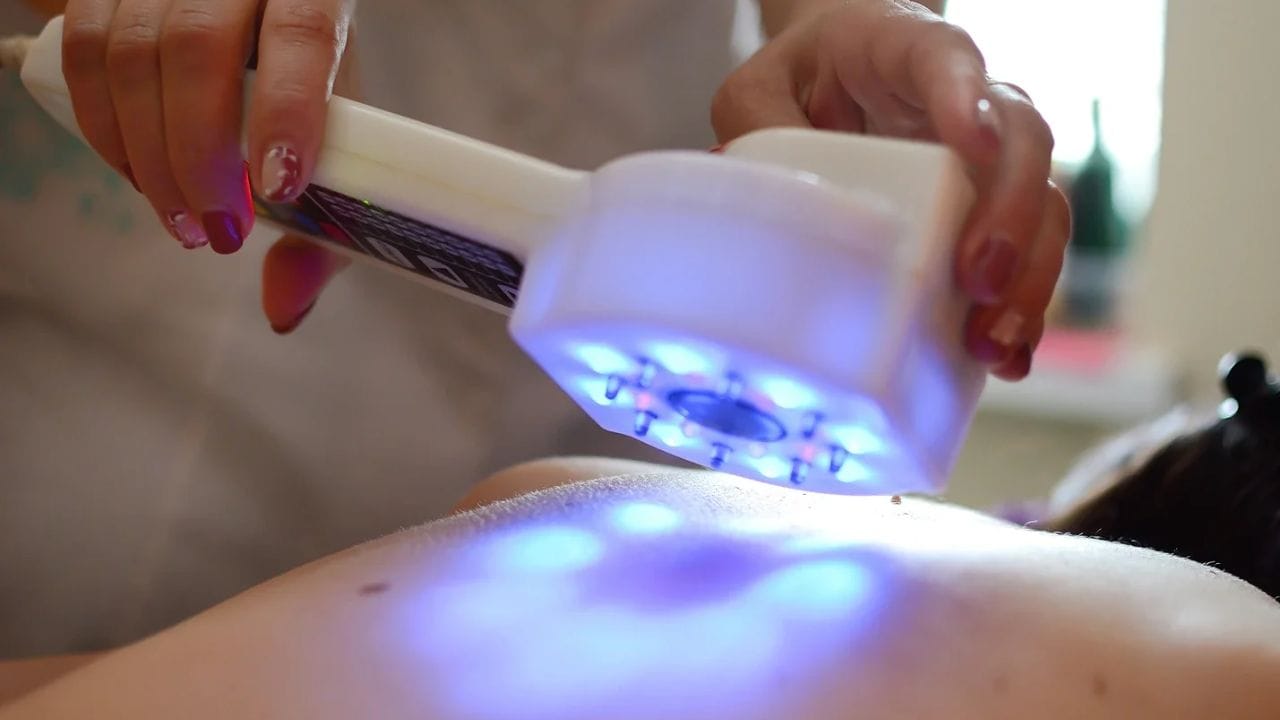
Key features include:
- Non-surgical and minimally invasive.
- Targets only small, superficial veins.
- Quick treatment sessions, usually 15-30 minutes.
- Safe for most skin types.
How Blue Light Laser Therapy Works?
The procedure relies on the principle of selective photothermolysis, where specific wavelengths of light are absorbed by the blood in the vein. The absorbed energy heats the vein walls, causing them to collapse and seal shut. Over the following weeks, the body naturally absorbs the treated vein, leaving the skin looking smoother and clearer.
Steps involved in the procedure:
- The treatment area is cleaned and sometimes numbed with a topical cream.
- A blue light laser device is positioned over the affected veins.
- Short pulses of light target the veins without harming the surrounding skin.
- Multiple passes may be done depending on vein size and density.
Who Is a Good Candidate for Blue Light Laser Therapy?
Blue light laser therapy is ideal for people who have visible spider veins on the legs, face, or other areas. Candidates should generally be in good health and have realistic expectations about cosmetic results.
Good candidates include those who:
- Have small, superficial spider veins.
- Do not have deep varicose veins or complex venous conditions.
- Want a non-surgical option with minimal downtime.
- Have healthy skin without active infections or severe skin conditions.
A consultation with a qualified specialist is important to determine suitability and ensure the best outcomes. For expert guidance and personalized evaluation, you can consult Dr. Rema Malik, who has experience in managing laser treatments for spider veins.
Benefits of Blue Light Laser Therapy
Blue light laser therapy is a modern, convenient way to treat spider veins without surgery. Unlike older treatments, it’s minimally invasive and targets only the problem veins. Most people feel little to no discomfort, and you can get back to your daily routine right away. Over time, the treated veins gradually fade, giving your skin a smoother, healthier look. When done by a trained professional, this procedure is safe for most skin types.
Benefits of Blue Light Laser Therapy include:
- Minimally invasive with no incisions or stitches.
- Quick procedure, usually done in under an hour.
- Minimal discomfort during treatment.
- Little to no downtime; you can return to daily activities immediately.
- Gradual improvement in skin appearance as veins fade.
- Safe for most skin types when performed by experienced specialists.
Risks and Side Effects of Blue Light Laser Therapy for Veins
Like any medical procedure, blue light laser therapy comes with some risks. However, serious complications are very uncommon. Most patients experience only mild, temporary laser vein therapy side effects that are part of the body’s natural healing process. These side effects generally resolve on their own within a few days to a couple of weeks. Knowing what to expect can help you feel more confident and prepared, and it also helps you follow post-treatment care more effectively for faster recovery.
Common side effects include:
- Redness or irritation in the treated area.
- Mild swelling or puffiness.
- Temporary bruising or dark spots.
- Mild stinging or warmth during treatment.
- Slight changes in skin color that gradually fade.
Rare but serious side effects:
- Blistering or burns if the laser is misused.
- Infection at the treatment site (rare).
- Prolonged discoloration or scarring (very rare).
Tips to reduce side effects:
- Follow all pre- and post-treatment instructions carefully.
- Avoid direct sun exposure for several days after treatment.
- Stay hydrated and maintain a healthy skin care routine.
Blue Light Laser Therapy vs Other Spider Vein Treatments
Blue light laser therapy is just one of several options for treating spider veins. Understanding how it compares to other treatments can help patients make informed decisions about which method is right for them. This therapy is often preferred because it’s minimally invasive, causes little discomfort, and allows for a quicker recovery compared to more traditional approaches.
Comparison:
- Sclerotherapy: Involves injecting a solution into veins; may cause more bruising and requires multiple sessions
- Radiofrequency or heat-based lasers: Can be effective but may require more downtime or cause mild soreness
- Surgery (rare for spider veins): Invasive, with longer recovery and higher risks
Blue light laser therapy is preferred by many for its safety, minimal discomfort, and faster recovery.
Laser Therapy for Varicose Veins: How It Differs From Spider Vein Treatment?
Blue light laser therapy is primarily used to treat small, superficial spider veins that sit close to the surface of the skin. These veins are usually a cosmetic concern and respond well to focused light energy that seals them without affecting the surrounding tissue.
In contrast, laser therapy for treating varicose veins is designed for larger, deeper veins that often cause symptoms such as leg pain, heaviness, swelling, and circulation problems. Because these veins lie deeper beneath the skin, they require stronger laser technology or a different method of delivering heat to close the vein effectively.
This distinction is important because many patients confuse spider veins with varicose veins. Some people seeking blue light laser therapy for spider veins may actually have underlying varicose veins contributing to visible surface veins. In these cases, treating only the spider veins may not provide lasting or effective results.
Laser treatment for varicose veins works by delivering controlled heat inside the affected vein. The heat causes the vein to close and stop carrying blood. Over time, the body naturally reroutes blood through healthier veins, and the treated vein is gradually absorbed. Compared to traditional surgery, this approach is minimally invasive, involves fewer risks, and allows for faster recovery.
Many patients prefer laser-based varicose vein treatment because it avoids large incisions, reduces downtime, and lowers the risk of scarring or infection. A qualified vein specialist can evaluate vein size, depth, and overall vein health to determine whether blue light laser therapy or a deeper laser treatment is the most appropriate option.
Recovery And Results After Blue Light Laser Therapy
Recovery after blue light laser therapy is generally quick and straightforward. Most patients can resume their normal daily activities immediately after treatment. Mild redness, warmth, or slight swelling is common and usually fades within a few days. Over time, the treated veins gradually shrink and disappear, giving the skin a smoother, healthier appearance. Following your specialist’s post-care instructions can help ensure the best possible results and minimize any temporary side effects.
Timeline of recovery and results:
- Immediately after: Mild redness or warmth may be present.
- 1-3 days: Slight swelling or bruising may appear and start to fade.
- 2-6 weeks: Treated veins gradually shrink and disappear.
- Several months: Full cosmetic results become visible.
Tips for smooth recovery:
- Avoid sun exposure on treated areas.
- Use gentle moisturizers to soothe the skin.
- Follow all post-care instructions provided by your specialist.
Cost of Blue Light Laser Therapy
The cost of blue light laser therapy can vary widely depending on several factors. These include the number of veins being treated, the size of the area, the complexity of the veins, the technology used, and the clinic’s location. On average, smaller treatment areas are less expensive, while larger or more complex areas require more time and resources, which increases the cost. Multiple sessions may also be necessary to achieve the best results, further influencing the overall price.
- Small areas: $150-$300 per session.
- Larger areas: $300-$600 per session.
- Multiple sessions may be required for optimal results.
Additional notes:
- Insurance typically does not cover cosmetic treatments like blue light laser therapy unless there is a documented medical need.
- Prices may also vary based on the experience of the specialist and the technology used.
Final Thoughts
Blue light laser therapy is a safe, effective, and minimally invasive option for improving the appearance of spider veins. Most side effects are mild and temporary, and recovery is quick. By choosing a qualified specialist, following aftercare instructions, and monitoring your skin’s response, you can achieve smoother, healthier-looking skin with minimal downtime.
This treatment offers a modern, convenient alternative to more invasive options, giving you confidence and comfort in your skin.
FAQs
Does blue light laser therapy hurt?
Most patients feel mild discomfort, often described as warmth, a small sting, or a pinch. The procedure is generally well-tolerated and does not require anesthesia.
How many sessions are needed?
Multiple sessions may be required depending on the number and size of spider veins. Typically, 2-4 sessions spaced a few weeks apart achieve the best results.
Are side effects long-lasting?
Most side effects like redness, mild swelling, or temporary bruising fade within a few days to weeks. Serious complications are rare when performed by a trained professional.
Can blue light laser therapy be used on all skin types?
It is generally safe for most skin types, but your specialist will evaluate your skin tone and condition to ensure the best outcome and minimize risks.
Reference
- American Society for Dermatologic Surgery.
- Mayo Clinic: Spider Veins and Laser Treatments.
- Journal of Cosmetic Dermatology.