Carotid stenosis, the narrowing of the carotid arteries in the neck, is a condition most people associate with stroke risk. But it can also affect hearing by reducing blood flow to the inner ear.
Yes, carotid stenosis can contribute to hearing loss, tinnitus, or other auditory disturbances, although these symptoms are less common than neurological signs. Early recognition can make a big difference in outcomes.
Let’s know the details of carotid stenosis-
What Is Carotid Stenosis?
Carotid stenosis occurs when plaque builds up inside the carotid arteries, narrowing the vessels and reducing blood flow to the brain. The carotid arteries are the main supply routes for oxygenated blood to the brain and head. Reduced flow can impact the inner ear as well.
Key points:
- Often develops gradually without symptoms.
- Increases risk of stroke and TIA.
- It can indirectly affect organs like the inner ear.
How Carotid Stenosis Can Affect Hearing
Hearing depends on a steady supply of oxygen-rich blood to the cochlea and auditory nerve. Narrowing of the carotid arteries can reduce this blood supply, potentially leading to:
- Sensorineural hearing loss.
- Tinnitus, especially pulsatile tinnitus.
- Auditory changes are detectable on hearing tests.
Mechanisms
- Reduced cochlear blood flow.
- Micro-ischemia damages auditory pathways.
- Turbulent blood flow causes pulsatile tinnitus.
- Secondary effects of systemic atherosclerosis.
Symptoms of Hearing Problems Caused by Carotid Stenosis
Carotid stenosis can sometimes affect the inner ear and auditory pathways, leading to a variety of hearing-related symptoms. These may develop gradually over time or appear suddenly, depending on how much the blood flow to the ear is reduced.

Common symptoms include:
- Gradual or sudden hearing loss: Some individuals may notice a slow decline in their ability to hear certain frequencies, while others may experience a more sudden change in hearing in one or both ears. This hearing loss is often sensorineural, meaning it originates from the inner ear or auditory nerve rather than the outer or middle ear.
- Pulsatile tinnitus: This is a distinctive type of tinnitus where a person hears a rhythmic, heartbeat-like sound in the ear. It occurs due to turbulent blood flow in the narrowed carotid arteries and is often one of the earliest auditory signs of carotid stenosis.
- Mild dizziness or balance problems: Reduced blood flow to the inner ear can also affect the vestibular system, which is responsible for maintaining balance. This may cause occasional lightheadedness, unsteadiness, or difficulty maintaining balance, especially when moving the head.
Because these symptoms often mimic age-related hearing loss or other ear disorders, it is crucial to seek a comprehensive medical evaluation. An accurate diagnosis usually involves both vascular imaging and audiological testing, allowing specialists to determine whether carotid stenosis is contributing to auditory symptoms. Early detection can help prevent further complications, including stroke or permanent hearing damage.
When to See a Doctor
Seek medical attention if you notice:
- Worsening or sudden hearing loss.
- Pulsatile tinnitus.
- Dizziness, balance issues, or neurological symptoms.
Expert Advice
Consulting a vascular or ENT specialist like Dr. Rema Malik can help evaluate both vascular and auditory health, recommend imaging, and develop a treatment plan. Timely intervention may prevent stroke and improve hearing outcomes.
How Much Is Laser Therapy for Spider Veins?
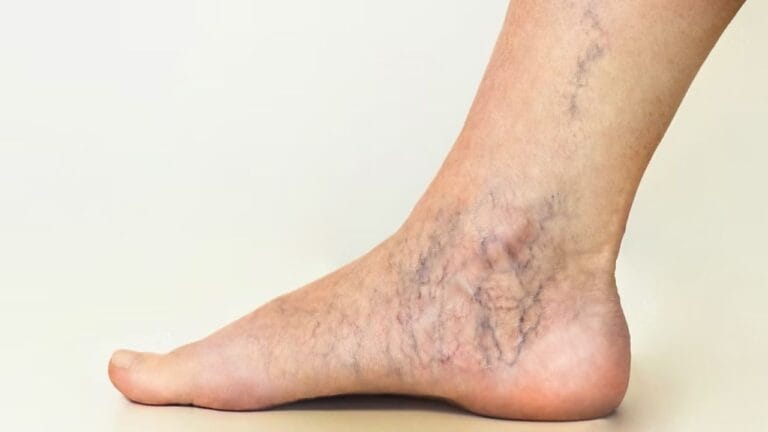
While carotid stenosis primarily affects major arteries, maintaining overall vascular health is essential for long-term well-being. Many patients choose laser therapy for spider veins to improve circulation, reduce discomfort, and enhance the appearance of their legs. However, one crucial question is, how much is laser therapy for spider veins?
Well, laser therapy for spider veins is a minimally invasive procedure that uses focused light energy to close off small, visible surface veins. Over time, the treated veins fade as blood is redirected through healthier veins.
Key points about laser therapy for spider veins:
- Procedure: Minimally invasive; usually performed in a clinic with little downtime.
- Effectiveness: Reduces visible veins, improves cosmetic appearance, and may support overall vascular health indirectly.
- Pricing: Costs vary based on the treatment area, vein size, and clinic location. On average:
- Small area (1-2 inches): $200-$400 per session
- Medium area (like one leg): $500-$800 per session
- Large or multiple areas: $1,000-$2,500 per session
- Most patients may require 2-4 sessions for optimal results.
Although laser therapy for spider veins does not treat carotid stenosis directly, maintaining healthy veins and circulation complements overall vascular care and supports long-term cardiovascular health.
Does Laser Therapy Work on Varicose Veins?
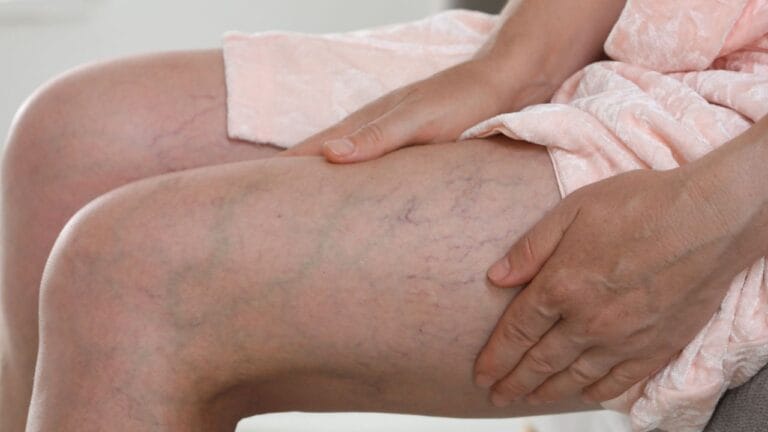
A common question many patients ask is whether laser therapy is effective for treating varicose veins. I mean, does laser therapy work on varicose veins or not? Well, Varicose veins occur when the valves in the veins of the legs weaken, causing blood to pool and veins to enlarge. For patients with larger veins or chronic venous insufficiency, laser therapy has become a widely used and effective treatment option.
Benefits of laser therapy for varicose veins include:
- Reduction of symptoms: Laser treatment can relieve discomfort associated with varicose veins, including pain, swelling, heaviness, and leg fatigue. Many patients notice improvement shortly after the procedure.
- Improved cosmetic appearance: Visible bulging veins and discoloration often diminish significantly after laser therapy, helping patients feel more confident in their appearance.
- Prevention of further complications: When combined with lifestyle changes such as regular exercise, weight management, and avoiding prolonged standing, laser therapy can help prevent the progression of varicose veins and reduce the risk of complications like skin ulcers or blood clots.
While laser therapy for varicose veins is not directly related to carotid stenosis, maintaining healthy veins and good circulation complements overall vascular health. Proper vein care supports better blood flow throughout the body, which indirectly benefits overall cardiovascular function.
Diagnosis and Treatment of Carotid Stenosis
Evaluation typically involves:
- Carotid Doppler Ultrasound to detect plaque.
- CT or MR Angiography for detailed imaging.
- Comprehensive audiological testing.
Treatment depends on severity:
- Lifestyle Changes: Stop smoking, control blood pressure and cholesterol, exercise
- Medications: Antiplatelets, statins
- Surgical Interventions: Carotid endarterectomy or stenting
Restoring blood flow can sometimes improve tinnitus and mild hearing loss.
Frequently Asked Questions (FAQ)
Can carotid stenosis directly cause hearing loss?
Yes, by reducing blood flow to the inner ear, though it is less common than neurological symptoms.
What is pulsatile tinnitus?
A rhythmic sound in sync with the heartbeat caused by turbulent blood flow in narrowed arteries.
Is hearing loss reversible after treatment?
Some improvement is possible if blood flow is restored early through surgery or stenting.
Who should get screened for carotid stenosis?
People with cardiovascular risk factors, neurological symptoms, or vascular family history.
References
- British Heart Foundation. (2023). Carotid artery disease. https://www.bhf.org.uk
- Centers for Disease Control and Prevention. (2022). Carotid artery stenosis. https://www.cdc.gov
- Cooper University Health Care. (2023). Carotid artery disease and carotid artery stenosis. https://www.cooperhealth.org
- Kozak, F. K., et al. (2019). Evaluation of cochlear and central auditory function in patients with carotid and vertebral artery stenosis. Journal of Otology, 14(3), 89–95. https://doi.org/10.1016/j.joto.2019.06.003
- Mayo Clinic. (2023). Carotid artery disease: Symptoms and causes. https://www.mayoclinic.org
- Sakallioglu, O., et al. (2018). The effect of carotid artery stenosis on hearing function. The Egyptian Journal of Otolaryngology, 34(4), 321–326. https://doi.org/10.4103/ejo.ejo_48_18
- Santos, M., et al. (2022). Improvement of tinnitus and hearing loss after carotid artery stenting: A case report. Journal of Vascular Surgery Cases, Innovations and Techniques, 8(3), 401–404. https://doi.org/10.1016/j.jvscit.2022.06.012
- World Health Organization. (2022). Cardiovascular diseases (CVDs). https://www.who.int