Carotid stenosis is a condition in which the carotid arteries-two major blood vessels located on either side of the neck-become narrowed due to fatty plaque buildup. These arteries are responsible for delivering oxygen-rich blood to the brain. When this blood flow is reduced, the brain may not receive the oxygen and nutrients it needs to function properly.
Although carotid stenosis is most widely known for increasing the risk of stroke and transient ischemic attacks (TIAs), some patients report symptoms that seem unrelated to the brain, including fatigue, dizziness, and shortness of breath. This often leads to confusion about whether carotid artery disease can affect breathing.
Carotid stenosis does not usually cause shortness of breath directly, but it can contribute to it indirectly-especially when brain blood flow regulation and cardiovascular function are affected.
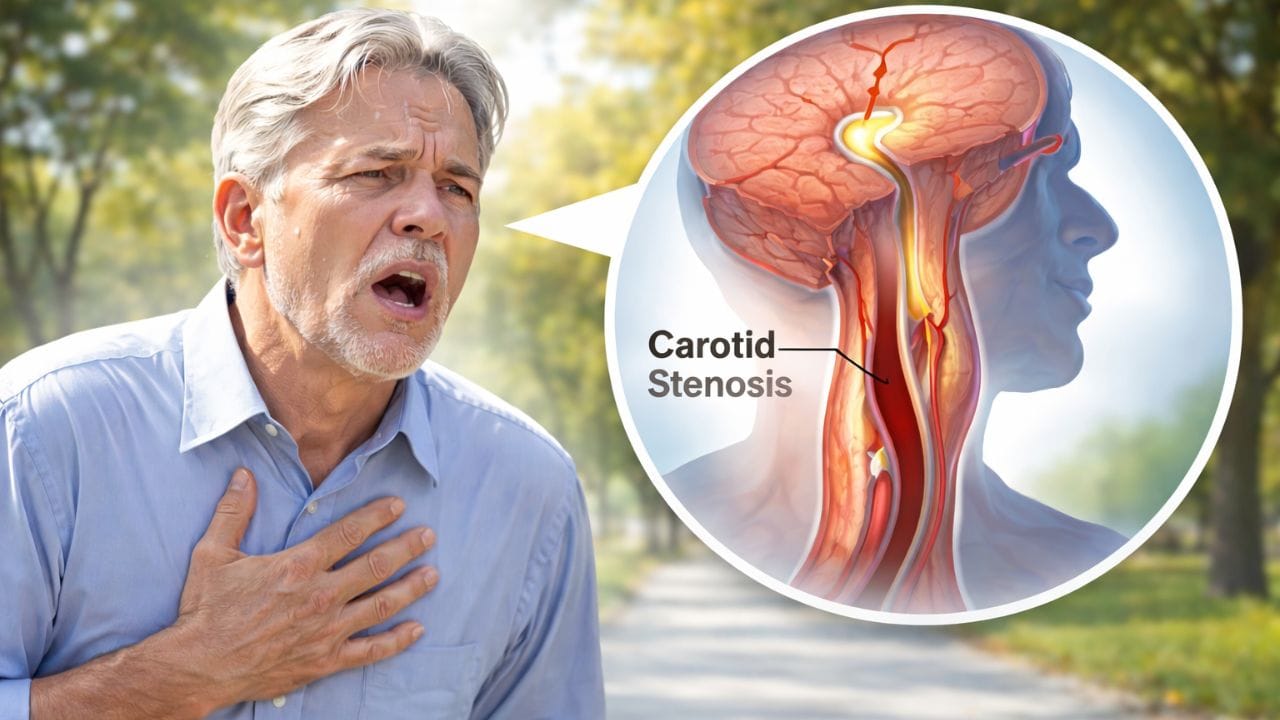
How Carotid Stenosis Can Indirectly Lead to Shortness of Breath
The brain plays a central role in controlling breathing patterns, heart rate, and blood pressure. When blood flow through the carotid arteries is restricted, the brain’s ability to regulate these systems can be disrupted.
One key factor is the presence of baroreceptors in the carotid arteries. These specialized sensors help the body adjust blood pressure when you change positions, such as standing up. When carotid arteries are narrowed, these sensors may not function properly, leading to sudden drops in blood pressure. This explains why people often ask, Can carotid stenosis cause orthostatic hypotension, as this drop can trigger dizziness, weakness, and a feeling of breathlessness.
Additionally, reduced cerebral blood flow may create a sensation of air hunger, where the body feels it is not getting enough oxygen even when lung function is normal. This sensation can become more noticeable during physical activity or stress.
The Role of Coexisting Heart and Vascular Disease
Carotid stenosis rarely develops as an isolated condition. In most cases, it is a sign of systemic atherosclerosis, a process in which fatty plaque builds up in arteries throughout the body. When plaque is present in the carotid arteries, it is very common for similar narrowing to exist in the coronary arteries that supply the heart.
Many people with carotid stenosis also have coronary artery disease, heart failure, or abnormal heart rhythms (arrhythmias). These heart conditions directly affect how efficiently the heart pumps blood and oxygen to the body. When the heart cannot pump effectively, oxygen delivery to tissues decreases, leading to shortness of breath, especially during physical activity or when lying flat.
In these situations, breathlessness is not caused by the carotid arteries themselves. Instead, it occurs because:
- The heart cannot pump enough blood (reduced cardiac output).
- Circulation becomes inefficient due to narrowed or stiff arteries.
- Oxygen demand exceeds supply during exertion.
This symptom overlap can be misleading. Patients may assume their breathing difficulty is related to carotid artery narrowing, when in reality it is a warning sign of underlying heart disease.
Because of this strong connection, doctors emphasize the importance of a comprehensive cardiovascular evaluation when carotid stenosis is diagnosed. This may include heart imaging, stress testing, rhythm monitoring, and blood pressure assessment. Identifying and treating coexisting heart and vascular disease early can significantly reduce symptoms, improve quality of life, and lower the risk of serious events such as a heart attack or stroke.
In short, carotid stenosis often signals a broader vascular problem, and shortness of breath should always prompt evaluation of the heart and overall circulation, not just the carotid arteries.
Neurological and Sensory Symptoms That May Occur Together
Reduced blood flow to the brain can affect multiple neurological and sensory pathways. In addition to dizziness and confusion, some individuals experience balance problems, headaches, or changes in hearing.
This leads many patients to ask, Can carotid stenosis cause hearing loss. While not common, reduced blood supply to the inner ear or auditory nerve may contribute to tinnitus or sensorineural hearing changes, particularly when vascular disease is advanced or bilateral.
When shortness of breath occurs alongside these neurological symptoms, it may signal inadequate cerebral circulation rather than a primary lung issue.
When Shortness of Breath Should Be Taken Seriously
Shortness of breath related to carotid stenosis is usually mild and situational, but certain warning signs require urgent medical attention. These include:
- Sudden or severe breathlessness.
- Shortness of breath accompanied by chest pain.
- Fainting or near-fainting episodes.
- Slurred speech, facial drooping, or limb weakness.
These symptoms may indicate a stroke, heart attack, or severe blood pressure instability and should be treated as medical emergencies.
Expert Clinical Perspective
According to vascular specialists such as Dr. Rema Malik, carotid stenosis should be viewed as a marker of overall vascular health rather than an isolated condition. Symptoms like shortness of breath often reflect broader issues involving cerebral blood flow, autonomic nervous system control, or underlying heart disease.
Diagnosis typically involves carotid ultrasound, CT or MR angiography, blood pressure monitoring, and cardiac testing. Treatment may include lifestyle changes, medications, or surgical intervention, depending on the severity of narrowing and associated symptoms.
Frequently Asked Questions (FAQ)
Can carotid stenosis directly affect breathing?
No. Carotid stenosis does not impair lung function. Any breathing difficulty is usually secondary to brain regulation issues or associated cardiovascular disease.
Why does standing up cause dizziness and breathlessness?
This may be due to impaired blood pressure regulation caused by carotid baroreceptor dysfunction, which is why clinicians often evaluate whether carotid disease contributes to postural blood pressure changes.
Can treating carotid stenosis reduce shortness of breath?
If symptoms are related to cerebral blood flow or blood pressure instability, treatment may help. However, coexisting heart or lung conditions must also be addressed.
Is shortness of breath a sign of stroke?
On its own, no. But when combined with neurological symptoms, it can indicate reduced brain perfusion and requires immediate evaluation.
Key Takeaway
Carotid stenosis does not directly cause shortness of breath. It may contribute indirectly through reduced brain blood flow or blood pressure changes. Heart-related conditions can also play a role.
If breathlessness occurs with dizziness or neurological symptoms, seek medical care promptly.
Wishing you good health and peace of mind!
References
- American Heart Association – Carotid Artery Disease
- National Institute of Neurological Disorders and Stroke (NINDS)
- Mayo Clinic – Carotid Artery Disease Overview
- Clinical perspectives and vascular medicine insights referenced by Dr. Rema Malik