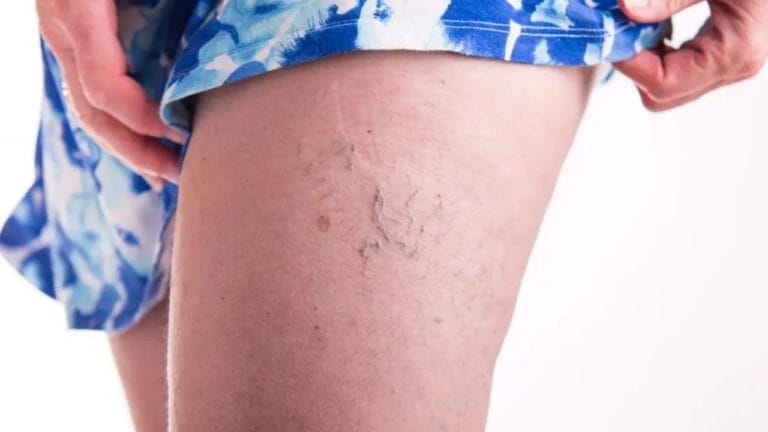
Chronic venous insufficiency (CVI) is a condition where the veins in your legs can’t efficiently send blood back to the heart. Normally, vein valves prevent blood from flowing backward. When these valves are damaged or weakened, blood pools in the legs. Over time, this causes swelling, heaviness, pain, and varicose veins. Skin may become discolored or thickened, and severe cases can develop painful ulcers.
Many people ask whether CVI can be reversed. The truth is that CVI cannot be fully reversed because damaged vein valves and stretched vein walls do not naturally heal. However, with proper treatment, symptoms can improve, progression can slow, and serious complications can often be prevented.
However, let’s see the details now-
Treatment Options to Manage and Improve CVI
Even though the underlying vein damage cannot be fully reversed, multiple treatment options can help you feel better and reduce the risk of complications:
1. Compression Therapy
Compression stockings or bandages are often the first line of treatment. They squeeze the legs gently to help push blood back toward the heart. Compression therapy can reduce swelling, ease discomfort, and prevent venous ulcers from forming.
2. Lifestyle Changes
Simple daily habits can make a big difference:
- Elevate your legs several times a day to improve blood flow.
- Maintain a healthy weight to reduce pressure on the veins.
- Exercise regularly, especially walking, to strengthen calf muscles, which help pump blood.
- Avoid sitting or standing for long periods to prevent blood from pooling.
3. Medications
Some medications may improve vein tone, reduce inflammation, or lower the risk of blood clots in high-risk patients.
4. Minimally Invasive Procedures
For veins that do not respond to conservative care, procedures like endovenous laser therapy, radiofrequency ablation, or sclerotherapy can close damaged veins. Many patients ask, is varicose vein treatment painful, But most procedures are well-tolerated, involve little discomfort, and allow for quick recovery.
5. Surgery
In severe cases, vein stripping or bypass surgery may be necessary to remove or reroute damaged veins. These surgeries are less common today, but can still be an option for advanced disease.
Potential Risks of Untreated CVI
If chronic venous insufficiency (CVI) is left untreated, it can lead to several serious health problems. The condition doesn’t just cause discomfort; it can have real, long-term consequences for your legs and overall health.
Key Complications Include:
- Venous ulcers: These are open sores that form when blood pools and skin tissue breaks down. They are often slow to heal and prone to infection, which can make them very painful and difficult to manage.
- Skin infections (cellulitis): When the skin is weakened or broken, bacteria can easily enter and cause infections. Cellulitis can spread quickly and may require hospitalization if severe.
- Blood clots (deep vein thrombosis or DVT): Poor circulation in the legs increases the risk of clots forming in deep veins. DVT is dangerous because clots can travel through the bloodstream.
- Pulmonary embolism (rare but serious): If a clot reaches the lungs, it can block blood flow, which is a life-threatening emergency.
Because of these risks, many patients understandably ask, Can chronic venous insufficiency be fatal. While CVI itself rarely causes death directly, its complications, particularly DVT and infections, can become life-threatening if not treated promptly.
Why Monitoring and Early Treatment Matter
Early diagnosis and consistent treatment can significantly reduce the chances of these serious complications. Measures such as compression therapy, medications, minimally invasive procedures, and lifestyle changes can control symptoms, improve circulation, and protect your legs.
Maintaining good vascular health is also essential. Taking care of your heart, monitoring blood pressure, controlling diabetes, and staying active all support healthy veins and reduce the risks associated with CVI.
Dr. Rema Malik emphasizes that effective treatment goes beyond the legs. Addressing overall circulatory health is critical for preventing serious complications and improving long-term outcomes.
When to See a Doctor
Chronic venous insufficiency (CVI) can develop slowly over time. Many people ignore mild symptoms, thinking they are just “tired legs” or normal swelling. However, untreated CVI can lead to serious complications. Recognizing early warning signs and seeking professional care promptly is essential to protect your legs, circulation, and overall health.
You should contact a healthcare provider if you notice any of the following:
- Persistent swelling, heaviness, or aching in the legs: Swelling that doesn’t improve with rest or leg elevation may indicate that blood is pooling in the veins. Persistent heaviness or pain can make daily activities difficult and may signal worsening vein problems.
- Skin changes: Pay attention to discoloration, thickening, dryness, or shiny patches on your legs. These changes are often a sign of chronic vein stress and reduced circulation. Early evaluation can prevent further damage or the development of painful ulcers.
- Non-healing ulcers or open sores: Venous ulcers are common in advanced CVI. These wounds heal slowly and are prone to infection. Prompt medical attention can prevent infections, reduce discomfort, and improve healing.
- Sudden redness, warmth, or tenderness in the legs: These may indicate a blood clot, also called deep vein thrombosis (DVT). DVT is a serious condition that can lead to a pulmonary embolism if the clot travels to the lungs. Immediate medical care is critical.
- Shortness of breath, dizziness, or chest pain: Though CVI mainly affects the legs, circulatory complications can impact the heart and lungs. Any new or sudden cardiovascular symptoms should be treated as an emergency.
Regular check-ups with a vascular specialist are highly recommended. A specialist can:
- Track disease progression and identify early warning signs
- Recommend the most effective treatments, including lifestyle adjustments, compression therapy, or procedures
- Prevent complications before they become severe or life-threatening
Early evaluation makes a significant difference. Addressing CVI promptly can reduce discomfort, improve circulation, prevent serious complications, and help maintain mobility and quality of life. Remember, even mild or intermittent symptoms deserve attention—treating CVI early is always better than waiting for it to worsen.
Insurance Coverage for CVI
Many treatments for CVI are covered by insurance, but coverage may vary depending on the plan and the treatment type. Here’s what you should know:
- Compression stockings: Often covered if prescribed by a doctor.
- Medications: Typically covered with a prescription.
- Minimally invasive procedures or surgeries: Insurance may cover these if medically necessary. Cosmetic procedures for varicose veins may not be covered.
- Doctor visits and consultations: Generally covered under standard medical care.
Always check with your insurance provider before starting any procedure. Getting documentation from your doctor can help ensure coverage.
Related Information
- Varicose veins: Often occur alongside CVI. Treatment improves both comfort and appearance.
- Pregnancy: Extra blood volume and pressure on veins can worsen CVI temporarily.
- Obesity: Extra weight increases venous pressure. Losing weight can reduce swelling and improve symptoms.
- Age: Veins naturally weaken over time, increasing CVI risk.
Frequently Asked Questions (FAQ)
Can CVI be reversed?
No. The damaged vein valves do not heal naturally. But symptoms can improve with treatment and lifestyle changes.
Can CVI be fatal?
Rarely. Complications like ulcers, infections, or blood clots can become dangerous if untreated.
Is varicose vein treatment painful?
Minimally invasive treatments are usually well-tolerated with minimal discomfort.
How do lifestyle changes help CVI?
Leg elevation, walking, healthy weight, and avoiding prolonged sitting or standing improve blood flow and reduce swelling.
When should I see a doctor?
If you notice persistent swelling, pain, ulcers, or sudden leg changes, see a vascular specialist. Early evaluation prevents complications.
Key Takeaway
CVI cannot be fully reversed, but early treatment and consistent care make a big difference.
Compression therapy, lifestyle changes, medications, and procedures can reduce symptoms and prevent complications.
Regular check-ups and monitoring vascular health are crucial.
With proper care, most people with CVI can stay active, comfortable, and safe.
References
- American Heart Association -Chronic Venous Insufficiency Overview
- Mayo Clinic – Venous Insufficiency: Causes, Symptoms, and Treatment
- National Heart, Lung, and Blood Institute – Venous Thromboembolism and CVI
- Clinical insights from Dr. Rema Malik, vascular specialist