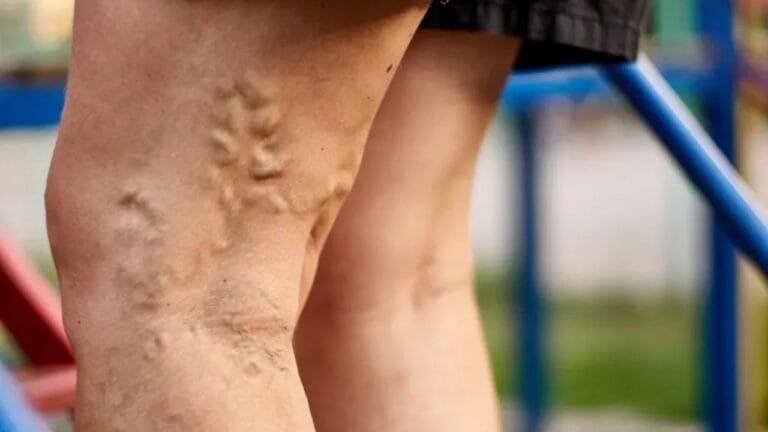
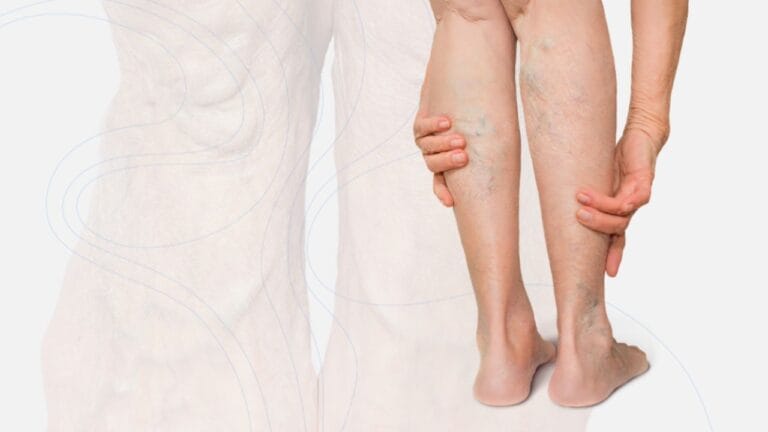
Varicose veins aren’t just about how your legs look; they can make your legs feel heavy, achy, or painful. Many people often ask, Can varicose vein treatment cause blood clot? It’s a valid concern, but rest assured, modern treatments like laser therapy, radiofrequency ablation (RFA), and sclerotherapy are safe, quick, and minimally invasive.
The risk of blood clots is very low when procedures are done by experienced specialists and proper aftercare is followed. Understanding the signs, taking precautions, and knowing what to expect can give you peace of mind and help you feel confident about your treatment journey.
Let’s know in detail why blood clots can sometimes form, how common they are, and what you can do to stay safe.
Understanding Varicose Veins and Blood Clots
Varicose veins develop when the valves inside your veins fail to work properly, causing blood to pool and veins to enlarge. This condition, known as chronic venous insufficiency, slows down blood flow – creating an environment where clots can form more easily.
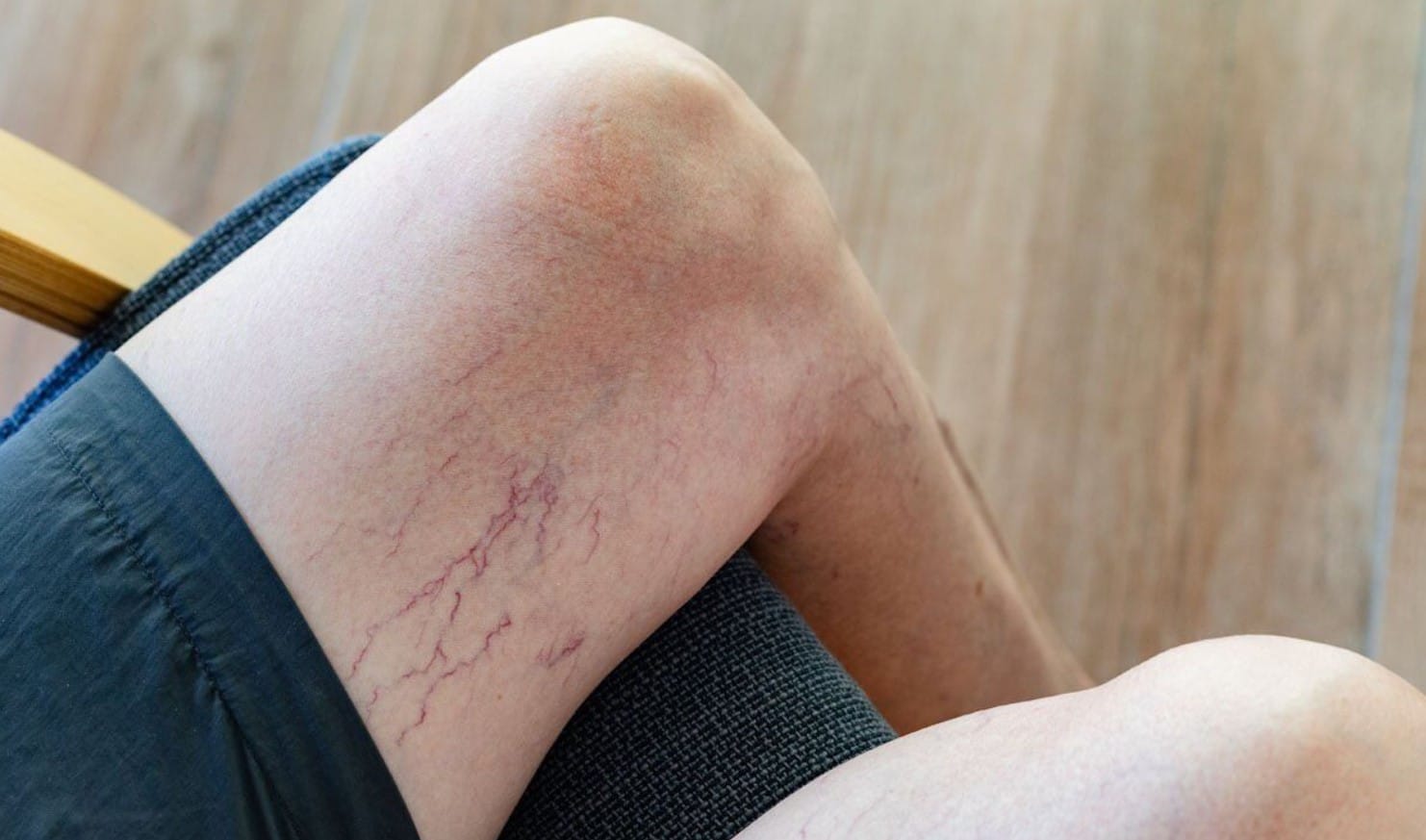
There are two main types of clots to know about:
- Superficial vein thrombosis (SVT): A clot that forms in a vein close to the surface of the skin.
- Deep vein thrombosis (DVT): A clot that forms in a deeper vein, often in the legs. DVT is more serious because the clot can travel to the lungs and cause a pulmonary embolism (PE).
Since varicose veins already indicate sluggish blood flow, treating them incorrectly or not following recovery instructions can increase the risk of clot formation.
Can Varicose Vein Treatments Trigger Blood Clots?
Most modern varicose vein treatments, such as endovenous laser therapy (EVLT), radiofrequency ablation (RFA), and sclerotherapy, are considered very safe. If you want to understand the process better, learn how does laser treatment work for varicose veins, which explains how EVLT closes the damaged veins safely.

However, any procedure that involves manipulating veins or altering blood flow carries a small risk of temporary clot formation.
Here’s How It Can Happen:
- Temporary vein inflammation:
After treatment, the body naturally reacts to the closure of the treated vein with mild inflammation. This is part of healing, but in rare cases, it can promote clotting in nearby veins. - Reduced mobility after treatment:
Staying immobile for long periods after a procedure (like lying in bed for days) can slow blood circulation, increasing clot risk. - Pre-existing risk factors:
Some people are more prone to developing clots due to genetics, lifestyle, or medical conditions.
Who Is at Higher Risk of Blood Clots After Treatment?
While blood clots after vein treatment are rare, certain factors increase the likelihood, including:
- History of deep vein thrombosis (DVT) or pulmonary embolism.
- Obesity or a sedentary lifestyle.
- Pregnancy or recent childbirth.
- Hormone therapy or birth control pills.
- Inherited clotting disorders.
- Age over 60.
- Long flights or car rides soon after treatment.
If you fall into any of these categories, your doctor will take extra precautions before, during, and after your procedure.
How Common Are Blood Clots After Vein Treatment?
Research shows that the risk of developing a deep vein thrombosis (DVT) after minimally invasive varicose vein treatment is less than 1-2%.
For example:
- A 2016 study in the Journal of Vascular Surgery: Venous and Lymphatic Disorders found that post-procedure DVT occurred in only 0.7% of patients treated with endovenous ablation.
- Another large study (2020) reported superficial thrombophlebitis in about 1-3% of patients, which is typically mild and treatable.
These numbers confirm that blood clots are rare but possible, making post-treatment care extremely important.
Symptoms of Blood Clots to Watch For
It’s essential to monitor your recovery closely. Contact your doctor immediately if you notice:
- Sudden pain or swelling in one leg.
- Redness, warmth, or tenderness near a treated vein.
- Heaviness or tightness in the calf.
- Shortness of breath, chest pain, or coughing up blood (signs of a pulmonary embolism a medical emergency).
Early detection and treatment are crucial to prevent complications.
How to Prevent Blood Clots After Varicose Vein Treatment
Doctors take multiple preventive steps to minimise risk before and after your procedure. Here’s what typically helps:
1. Compression Stockings
Wearing compression stockings for a few days or weeks after treatment helps maintain blood flow, reduce swelling, and prevent clot formation.
2. Early Movement
Walking within hours after your treatment promotes circulation and keeps blood from pooling in your legs. Avoid prolonged bed rest or sitting for long periods.
3. Hydration
Drinking plenty of water improves blood viscosity and prevents sluggish circulation.
4. Avoid Long Flights or Car Rides
Avoid travel lasting more than 4 hours for at least 2-3 weeks after your procedure. If travel is unavoidable, take breaks to walk and stretch your legs.
5. Medication (in Special Cases)
If you have a history of clots, your doctor might prescribe low-dose anticoagulants (blood thinners) to reduce the risk of DVT during recovery.
6. Follow-Up Appointments
Regular ultrasound checkups after treatment ensure that the veins are healing properly and no hidden clots are forming.
Treatment of Post-Procedure Blood Clots
Post-procedure blood clots are a rare but possible complication after varicose vein treatments. Early recognition and treatment are crucial to prevent serious problems. If you experience unusual pain, swelling, or redness in your legs, seek medical attention immediately.
Treatment depends on the type of clot:
- Superficial Clots: Often treated with anti-inflammatory medications, warm compresses, and compression stockings.
- Deep Vein Thrombosis (DVT): Managed with anticoagulant medications such as heparin or warfarin to prevent the clot from growing or travelling to the lungs.
With timely diagnosis and proper care, most patients recover fully from varicose vein treatments without complications. Early intervention helps reduce discomfort, prevent blood clots, and restore healthy circulation.
For a personalised evaluation and treatment plan, consult Houston vascular surgeon, Dr Rema Malik, who specialises in minimally invasive procedures and provides guidance on post-treatment care. Her expertise ensures a safe, effective treatment journey, helping patients return to an active, pain-free life with confidence.
Conclusion
So, can varicose vein treatment cause blood clots? Yes, but only in rare cases, and these risks are largely preventable with proper care and early movement after the procedure.
In fact, treating varicose veins often reduces your long-term risk of blood clots by improving circulation and eliminating damaged veins.
To stay safe: choose a qualified vein specialist, follow post-treatment instructions carefully, and keep up with your follow-up appointments. Most patients experience smoother legs, less pain, and better health – without any complications.
Frequently Asked Questions (FAQ)
How soon after varicose vein treatment can a blood clot form?
Clots usually appear within the first two weeks. Follow-up ultrasounds help detect them early and prevent complications. Monitoring for unusual swelling, redness, or pain during this time is important for safety.
Are blood clots after sclerotherapy dangerous?
Most are small and superficial, resolving with anti-inflammatory medications, compression stockings, and leg elevation. If pain, swelling, or discolouration worsens, a vascular specialist should evaluate it promptly.
Can laser vein treatment cause DVT?
The risk is very low (<1%). Following post-treatment advice, like walking and wearing compression stockings, keeps it minimal. Early mobilisation and hydration further reduce the chance of complications.
How can I reduce my risk of clotting?
Stay active, wear compression stockings, avoid long sitting or standing, stay hydrated, and follow your doctor’s instructions. These steps not only prevent clots but also promote faster healing and better vein health overall.
What if I already have a history of blood clots?
Your doctor may use preventive anticoagulants and monitor you with ultrasounds before and after treatment to keep you safe. Careful planning ensures you can undergo varicose vein treatment with minimal risk while protecting your circulation.