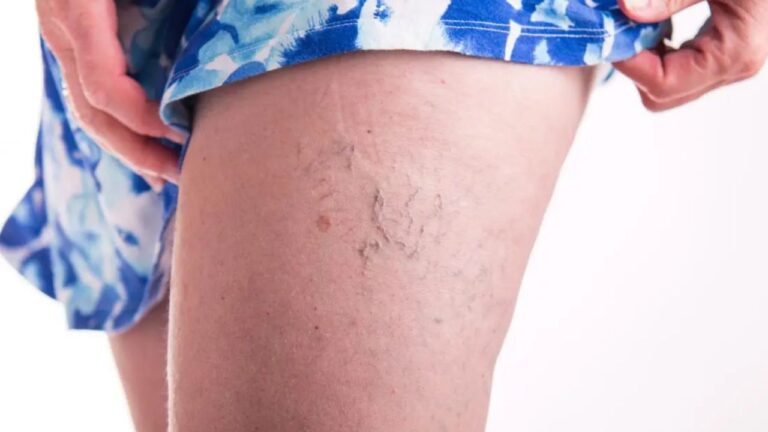
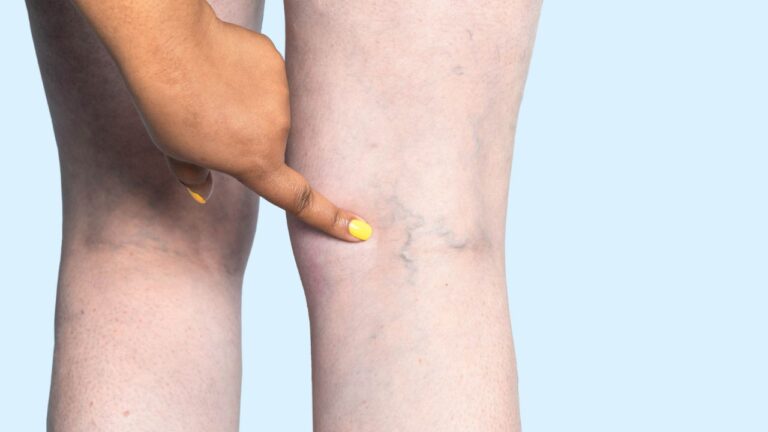
Venous insufficiency often develops quietly, long before visible veins or swelling appear. Many people don’t realize there’s a problem until daily leg heaviness, fatigue, or ankle swelling start interfering with comfort and mobility. The good news is that venous insufficiency is not only manageable, but it is often preventable with the right habits and early awareness.
Prevention is not about drastic lifestyle changes or medical procedures for everyone. It’s about understanding how veins work, recognizing risk factors early, and supporting healthy circulation before damage occurs. This guide explains practical, realistic ways to protect your veins and keep your legs feeling lighter and healthier over time.
Let’s start to get the details-
Understanding How Venous Insufficiency Develops
Healthy veins rely on small one-way valves that help push blood upward toward the heart. When these valves weaken or fail, blood begins to flow backward and pool in the legs. Over time, this increases pressure inside the veins, stretching them and reducing their ability to function properly.
Prolonged sitting, standing for long hours, lack of movement, obesity, aging, pregnancy, and genetics all increase the strain on leg veins. Prevention focuses on reducing this pressure, improving circulation, and supporting vein strength before permanent changes occur.
Daily Movement and Circulation Support
One of the most effective ways to prevent venous insufficiency is regular movement. Walking activates the calf muscles, which act as a natural pump to push blood upward through the veins. Even short walks throughout the day can make a meaningful difference.
If your routine involves long periods of sitting, such as desk work or travel, standing up and moving every 30 to 60 minutes helps prevent blood from pooling. For people who stand for work, shifting weight, stretching the calves, and taking seated breaks when possible reduces vein strain.
Managing Swelling Before It Becomes a Problem
Many people dismiss mild ankle swelling as normal, but swelling can be an early warning sign of vein stress. Patients often ask Does venous insufficiency cause edema, and the answer is yes, fluid buildup occurs when veins cannot efficiently return blood to the heart.
Preventing swelling involves leg elevation when resting, maintaining hydration, reducing excess salt intake, and wearing supportive footwear. Addressing swelling early helps protect vein valves and reduces long-term damage.
Compression and Lifestyle Habits That Protect Veins
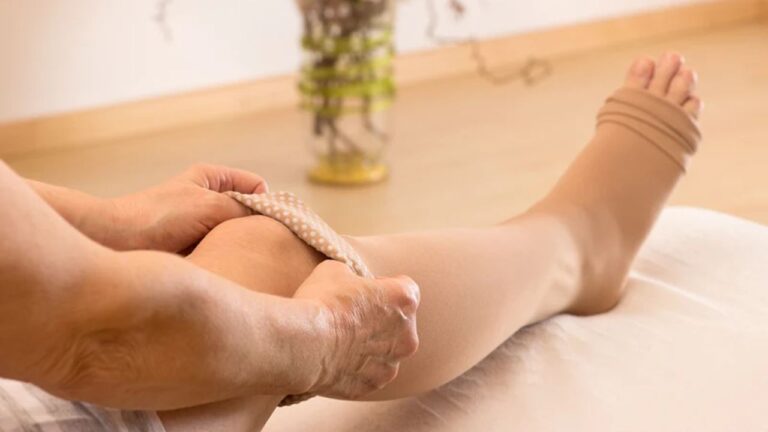
Compression stockings are not only a treatment tool, but they can also be preventive for people at higher risk. Wearing light-to-moderate compression during long workdays, travel, or pregnancy supports blood flow and reduces venous pressure. These stockings gently squeeze the legs, helping the veins return blood efficiently to the heart and preventing pooling in the lower legs.
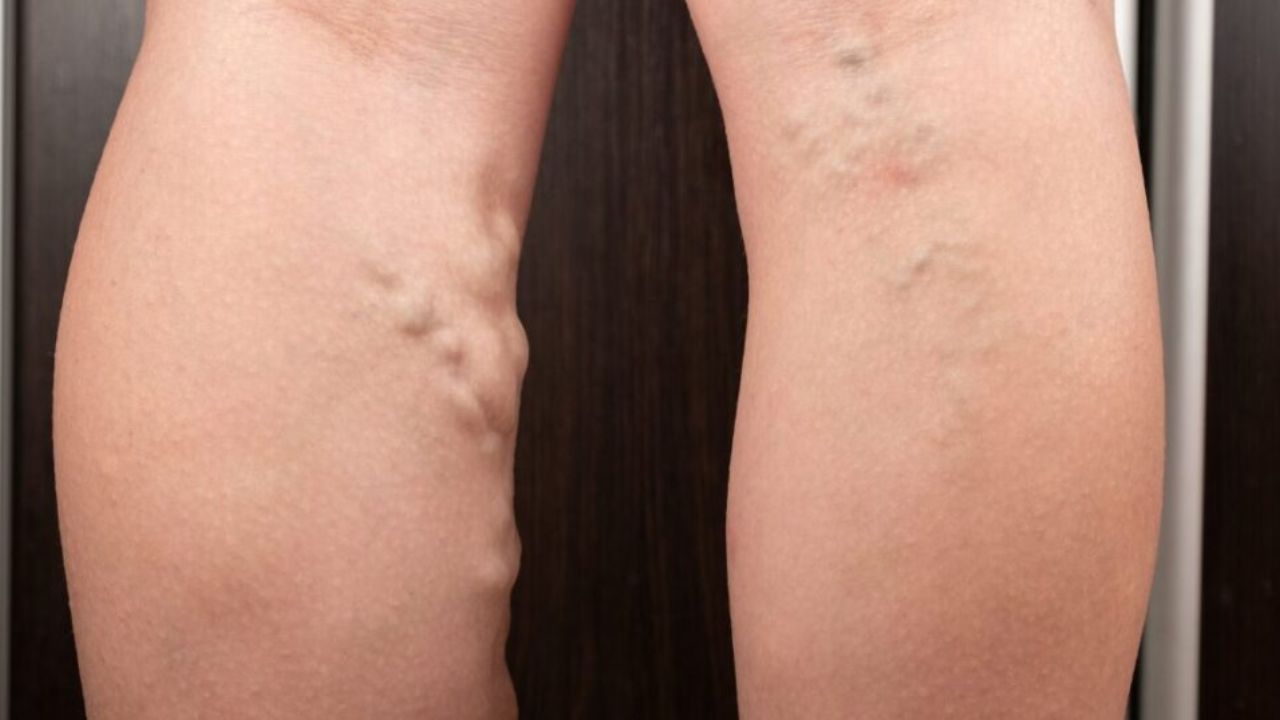
Weight management also plays a crucial role in protecting vein health. Extra body weight increases pressure on leg veins, accelerating valve damage and worsening symptoms over time. Maintaining a healthy weight through balanced nutrition and regular physical activity reduces strain on the venous system, promotes better circulation, and supports overall leg comfort.
Key Takeaways:
- Wear light-to-moderate compression stockings during long workdays, travel, or pregnancy.
- Maintain a healthy weight through a balanced diet and regular activity.
- Regular movement and exercise help support vein function.
- Early use of preventive measures can reduce the risk of chronic venous insufficiency.
Knowing When to Seek Professional Guidance
Prevention also means knowing when expert evaluation is appropriate. Understanding who treats venous insufficiency allows patients to seek early care before symptoms worsen. Vascular specialists and vein experts can identify early valve dysfunction using noninvasive ultrasound imaging.
Early consultation may lead to simple preventive strategies rather than advanced treatments later. Professional guidance is especially important for individuals with a family history of vein disease or occupations that increase risk.
Expert Consultation and Long-Term Planning
Specialist input becomes particularly valuable when prevention overlaps with long-term vein care planning. Experts such as Dr. Rema Malik, known for her work in vascular health, emphasize that early education and preventive strategies often reduce the need for invasive treatments later.
From compression guidance to lifestyle counseling and insurance-supported evaluations, expert-led care helps patients make informed decisions at the right time before venous insufficiency becomes advanced or symptomatic.
Conclusion: Small Steps That Make a Lasting Difference!
Preventing venous insufficiency is about consistency, awareness, and care, not perfection. Simple daily habits like moving more, managing swelling, maintaining a healthy weight, and seeking early evaluation can significantly reduce long-term vein damage.
By supporting circulation today, you protect comfort, mobility, and leg health for years to come. Prevention isn’t just about avoiding disease; it’s about maintaining confidence and ease in everyday life.
Frequently Asked Questions (FAQ)
Can venous insufficiency be completely prevented?
Venous insufficiency cannot always be fully prevented, especially when genetics or aging are involved. However, healthy habits such as regular movement, weight control, leg elevation, and early medical guidance can greatly reduce symptom severity and slow disease progression.
Is walking really that important for vein health?
Yes, walking is very important for vein health. It activates the calf muscles, which act as a natural pump to push blood upward toward the heart. Regular walking helps reduce blood pooling and lowers pressure in the leg veins.
Should younger adults worry about venous insufficiency?
Prevention is important even for younger adults. Sedentary lifestyles, prolonged sitting, obesity, and family history can increase risk at an early age. Building good movement and circulation habits early helps protect vein health long-term.
Do compression stockings help prevent vein problems?
Yes, compression stockings can help prevent vein problems, especially during high-risk situations like long travel, pregnancy, or prolonged standing. They support healthy blood flow, reduce vein pressure, and help prevent swelling and discomfort.
References
- Society for Vascular Surgery (SVS) – Chronic Venous Disease Prevention
Provides clinical guidelines on preventing and managing chronic venous disease, emphasizing early diagnosis, lifestyle modification, compression therapy, and long-term vein health strategies. - American Venous Forum (AVF) -Vein Health and Lifestyle Guidance
Offers patient-focused education on vein health, highlighting the role of daily movement, weight management, compression use, and risk reduction for venous insufficiency and related conditions. - National Institutes of Health (NIH) – Venous Insufficiency Overview
A comprehensive medical resource explaining the causes, risk factors, symptoms, prevention, and treatment options for chronic venous insufficiency based on evidence-based research. - Cleveland Clinic -Preventing Chronic Venous Disease
Provides practical prevention advice, including physical activity, leg elevation, compression therapy, and early medical evaluation to reduce progression and complications of venous disease. - Mayo Clinic – Chronic Venous Insufficiency
Details lifestyle changes, preventive measures, and treatment options for venous insufficiency, with a strong focus on patient education and long-term management. - Johns Hopkins Medicine – Venous Disease and Circulation Health
Explains how circulation problems develop and outlines preventive strategies to support vein function and reduce the risk of chronic venous disorders. - MedlinePlus (U.S. National Library of Medicine) -Venous Disorders
Offers easy-to-understand medical information on venous conditions, prevention tips, symptoms, and when to seek professional care.