Chronic venous insufficiency (CVI) is a common circulatory condition where vein valves in the legs become weakened or damaged, causing blood to pool in the lower limbs. This can lead to swelling, aching, skin changes, and in severe cases, venous ulcers. Many people diagnosed with CVI naturally wonder: Can you live a long life with chronic venous insufficiency?
The short answer is yes. CVI is generally not life-threatening on its own. Most people with properly managed vein disease can live a normal lifespan. However, the condition can affect quality of life if symptoms are untreated or if complications arise. Understanding how CVI impacts overall health, the role of treatments, and lifestyle interventions is essential for maintaining long-term mobility, comfort, and well-being.
Let’s see the details-
How Chronic Venous Insufficiency Affects Health
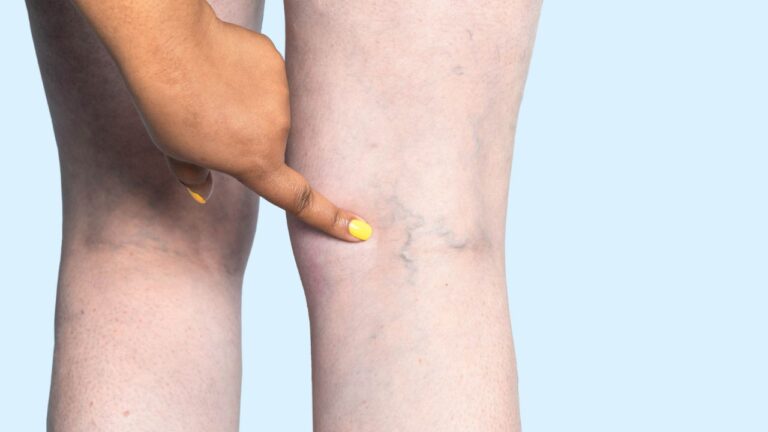
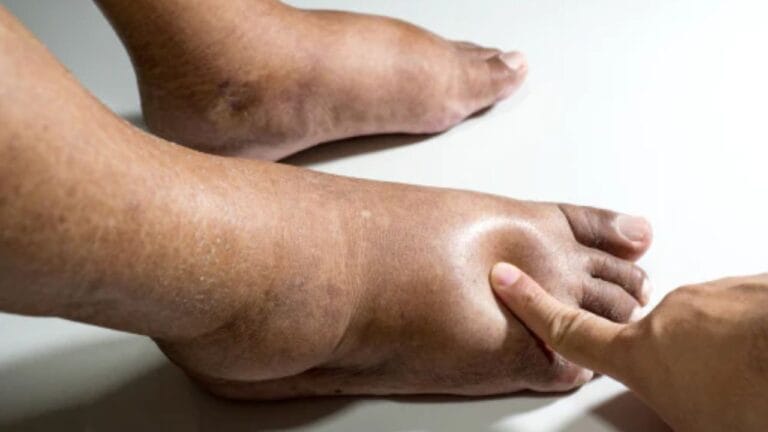
CVI primarily impacts circulation in the legs. When valves fail, blood flows backward, increasing venous pressure and leading to fluid accumulation. Over time, this causes:
- Swelling (edema) in the lower legs or ankles
- A feeling of heaviness or aching
- Skin discoloration or thickening
- Development of varicose veins or venous ulcers
Persistent inflammation and swelling can create discomfort and, in some cases, contribute to nerve irritation. Some patients may ask can venous insufficiency cause neuropathy, as chronic vein issues occasionally exacerbate peripheral nerve irritation. While not a direct cause, CVI can worsen symptoms in individuals already predisposed to nerve problems.
Can You Live a Long Life with Chronic Venous Insufficiency?
Yes, in most cases, people with chronic venous insufficiency (CVI) can live a long and healthy life. CVI is primarily a circulatory condition affecting the veins in the legs, where the one-way valves that help return blood to the heart become weakened or damaged. This causes blood to pool, leading to leg swelling, heaviness, varicose veins, and in advanced cases, skin changes or venous ulcers.

Importantly, CVI itself is rarely life-threatening. Unlike heart disease, stroke, or uncontrolled hypertension, chronic venous insufficiency usually impacts quality of life rather than life expectancy. The main risks of CVI are discomfort, decreased mobility, and potential complications if left untreated.
Factors That Influence Long-Term Health
Several factors determine how well someone with CVI can live a long, active life:
- Early Detection and Management
Recognizing CVI in its early stages allows for interventions that slow progression and reduce symptoms. Using compression stockings, staying physically active, and elevating the legs can all improve circulation and prevent worsening of the condition. - Treatment of Underlying Veins
Modern minimally invasive treatments such as endovenous ablation, sclerotherapy, or vein stripping are highly effective. These procedures reduce venous pressure, improve circulation, and prevent complications such as skin ulcers. While new varicose veins can develop, ongoing care ensures symptom control and mobility. - Lifestyle Factors
Maintaining a healthy weight, exercising regularly, avoiding prolonged sitting or standing, and eating a balanced diet all support vascular health. These measures not only help CVI but also reduce the risk of coexisting conditions like diabetes, hypertension, or obesity that can complicate overall health. - Management of Complications
Untreated CVI can sometimes lead to venous ulcers or infections, which require medical attention but are rarely fatal. Prompt treatment ensures patients maintain function and avoid long-term disability.
Quality of Life vs. Life Expectancy
- Life Expectancy: CVI does not directly reduce lifespan. Most patients, with proper management, live full lives.
- Quality of Life: Without treatment, symptoms like chronic leg swelling, aching, and skin changes can reduce comfort, mobility, and independence. Proactive management significantly improves daily life.
Indirect Considerations
In some cases, CVI can exacerbate other health issues. Chronic swelling may indirectly increase the risk of nerve irritation, occasionally causing tingling or numbness in the legs. Additionally, prolonged immobility from discomfort can impact cardiovascular fitness. Therefore, managing CVI effectively not only improves leg health but also supports overall physical well-being.
In summary, chronic venous insufficiency is manageable. With early detection, appropriate medical treatment, lifestyle adjustments, and ongoing monitoring, individuals with CVI can enjoy a long, active, and fulfilling life. The focus should be on controlling symptoms, preventing complications, and maintaining mobility and leg health.
Long-Term Outlook: Can You Live a Long Life with CVI?
The good news is that chronic venous insufficiency rarely reduces life expectancy. In fact, studies show that CVI affects approximately 25-40% of adults in the U.S., with prevalence increasing with age. About 1 in 5 adults over 50 experience moderate to severe CVI symptoms. Most complications as skin changes, leg swelling, or venous ulcers-impact comfort and mobility rather than survival.
Key factors influencing long-term outcomes include:
- Early diagnosis and consistent treatment
- Lifestyle measures, including regular exercise, leg elevation, and weight management
- Management of coexisting conditions such as obesity, diabetes, or hypertension
With proper care, patients can control symptoms, prevent complications, and maintain an active lifestyle. Severe untreated CVI can lead to venous ulcers or infections, which may require medical attention but are rarely fatal.
Treatment Options and Varicose Vein Management
Treatment for CVI aims to improve circulation, reduce symptoms, and prevent complications. Options include:
- Compression therapy: Supports veins and reduces swelling. Studies show compression stockings can reduce leg swelling by 40-50% when used consistently.
- Exercise and physical activity: Walking and leg exercises strengthen calf muscles and improve blood flow.
- Lifestyle adjustments: Weight management, leg elevation, and avoiding prolonged standing or sitting.
- Minimally invasive procedures: Endovenous ablation, sclerotherapy, and vein stripping. These have success rates above 90% in improving symptoms and quality of life.
Many patients are curious about whether Do varicose veins go away after treatment. Modern minimally invasive procedures can effectively close or remove problematic veins, improving symptoms and cosmetic appearance. However, new varicose veins may develop over time, so ongoing care and lifestyle measures remain important.
Preventing Complications
Chronic venous insufficiency can worsen if neglected, leading to complications such as:
- Venous ulcers (affecting 1-2% of CVI patients).
- Skin infections.
- Persistent swelling and discomfort.
- Rarely, deep vein thrombosis.
Preventive measures-like compression stockings, regular movement, and proper medical follow-up-can minimize these risks. Prompt intervention ensures CVI remains manageable and does not negatively affect overall health.
When to See a Specialist
You should consult a healthcare professional if you experience:
- Persistent leg swelling or pain.
- Skin changes, discoloration, or thickening.
- Non-healing wounds or ulcers.
- Sudden worsening of symptoms.
A vascular specialist such as Dr. Rema Malik can assess severity, recommend appropriate interventions, and design a long-term care plan. Early evaluation is essential to maintain mobility, prevent complications, and improve quality of life.
Frequently Asked Questions (FAQ)
Does chronic venous insufficiency shorten life expectancy?
No. CVI primarily affects comfort and mobility rather than lifespan. With proper treatment and lifestyle adjustments, most patients live a normal, healthy life.
Can CVI cause nerve problems?
Chronic venous disease can indirectly contribute to neuropathy-like symptoms by causing swelling and pressure that irritate peripheral nerves. Treatment can reduce these symptoms.
Will varicose veins come back after treatment?
Minimally invasive procedures effectively remove or close veins, but new varicose veins may develop over time. Ongoing preventive measures help maintain results.
How can I prevent complications from CVI?
Regular movement, compression therapy, leg elevation, healthy weight management, and prompt medical care reduce the risk of ulcers, infections, and worsening symptoms.
When should I see a vascular specialist?
Persistent swelling, skin changes, or non-healing wounds are warning signs. Early evaluation ensures proper management and improved quality of life.
Final Note
Chronic venous insufficiency (CVI) can be managed well. Most people with CVI can live a full and active life if they take care of their legs. CVI can cause swelling, pain, and sometimes tingling or numbness in the legs. Early diagnosis and regular treatment make a big difference. Simple lifestyle changes, like staying active and wearing compression stockings, can reduce symptoms.
Paying attention to leg health and following your doctor’s advice helps keep you comfortable, mobile, and able to enjoy life.
That’s all on today’s topic. If you need any more information, please message us.
References
- Eberhardt, R. T., & Raffetto, J. D. (2014). Chronic venous insufficiency. Circulation, 130(4), 333-346.
- O’Donnell, T. F., et al. (2016). Management of venous leg ulcers. Journal of Vascular Surgery, 63(2), 3S-59S.
- Whelton, P. K., et al. (2018). ACC/AHA guideline for high blood pressure management. Hypertension, 71(6), e13-e115.
- National Institute of Neurological Disorders and Stroke (NINDS). Peripheral Neuropathy Information Page.
- Society for Vascular Surgery. Chronic Venous Disease Guidelines.