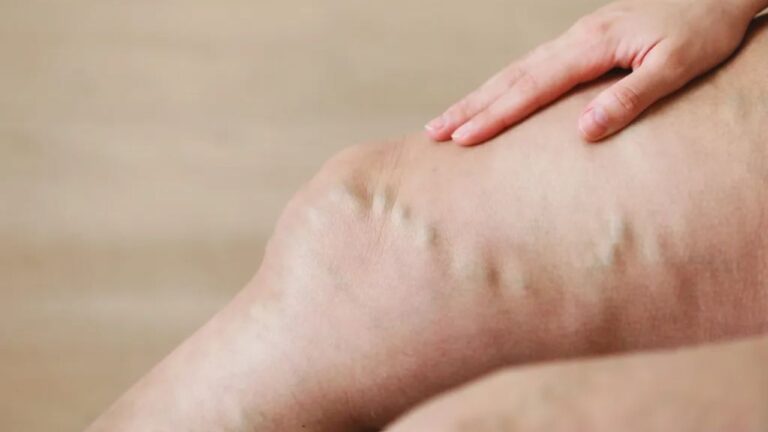
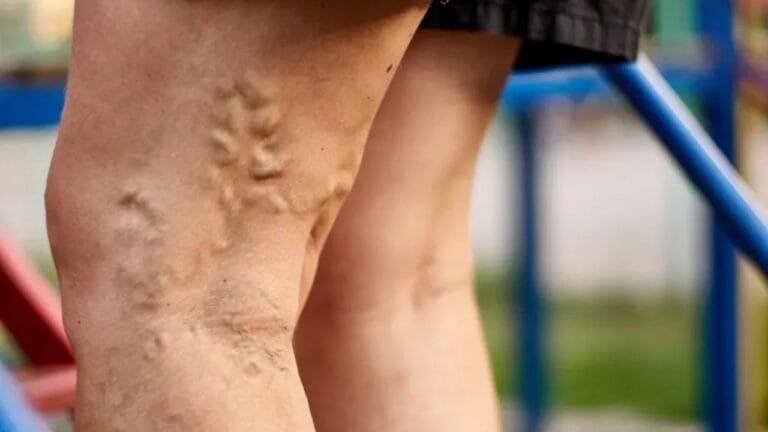
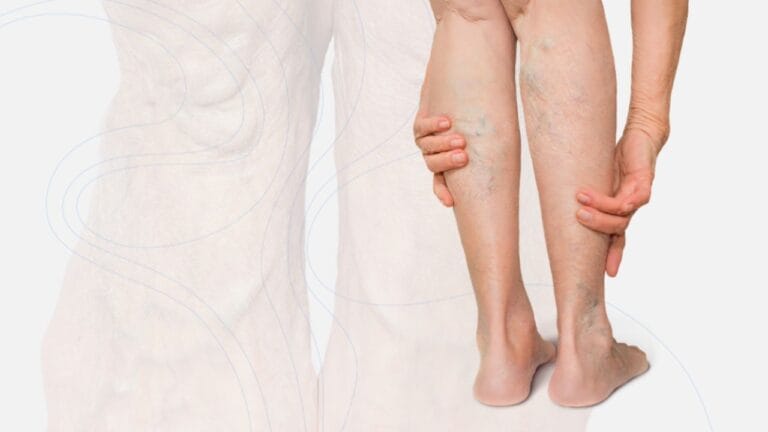
If you’ve ever dealt with varicose veins – those swollen, rope-like veins that often appear on your legs -you’ve probably wondered whether they’ll ever go away after treatment. The good news is that treated varicose veins usually disappear permanently once they’ve been properly closed or removed through medical procedures such as laser therapy, sclerotherapy, or surgery.
However, it’s important to understand that while the treated veins won’t return, new varicose veins can sometimes develop over time, especially if the underlying causes – such as weak vein valves, prolonged standing, lack of exercise, or genetics – remain unaddressed.
In other words, treatment eliminates the existing problem veins, but maintaining long-term leg health requires continued care, healthy habits, and preventive measures to reduce the risk of new ones forming.
What Happens During Varicose Vein Treatment?
Varicose veins form when the tiny one-way valves inside your veins, which are responsible for keeping blood flowing upward toward the heart, become weak or damaged.
When these valves fail, blood begins to pool in the veins instead of moving efficiently, creating pressure that causes the veins to bulge, twist, and become visible under the skin.
This buildup of pressure not only affects appearance but can also lead to symptoms such as heaviness, swelling, throbbing, and leg fatigue.
Fortunately, modern varicose vein treatments are designed to seal off or remove these damaged veins so that blood is naturally redirected to nearby, healthy veins. Once a problematic vein is closed or surgically removed, it’s no longer part of your circulation.
Over the next several weeks or months, your body gradually reabsorbs the treated vein tissue, causing it to fade and flatten beneath the skin’s surface. This process restores smoother-looking legs and relieves discomfort caused by poor circulation.
Depending on the severity of the condition and the treatment method used, whether it’s laser therapy, sclerotherapy, or minimally invasive vein surgery, results can vary from patient to patient.
However, most people notice visible improvement within a few weeks, along with significant relief from pain, heaviness, or swelling. In essence, once treated successfully, varicose veins won’t come back in the same place, but maintaining good vein health afterward is key to preventing new ones from forming.
Types of Treatments and Their Results
Different treatments deliver different results -but all target the same goal: improving circulation and reducing visible veins.
1. Endovenous Laser Therapy (EVLT) or Radiofrequency Ablation (RFA)
- These are minimally invasive procedures using heat to close off faulty veins.
- The closed vein is absorbed by the body in a few weeks to months.
- Results: The treated vein disappears permanently, and symptoms like pain or heaviness improve quickly.
2. Sclerotherapy
- A special solution is injected into smaller varicose or spider veins.
- It irritates the vein walls, causing them to collapse and fade.
- Results: Visible improvement in 3-6 weeks (for small veins) or 3-4 months (for larger veins).
3. Microphlebectomy
- A surgical removal of bulging surface veins through tiny incisions.
- Results: Veins are immediately gone, with minimal scarring.
4. Vein Stripping (Traditional Surgery)
- Rarely used today, this involves removing large varicose veins through small cuts.
- Results: Long-lasting but requires more recovery time.
Do Varicose Veins Come Back After Treatment?
Once a vein is treated, it does not come back; the vein is permanently sealed or removed. However, new varicose veins can still develop, especially if you have:
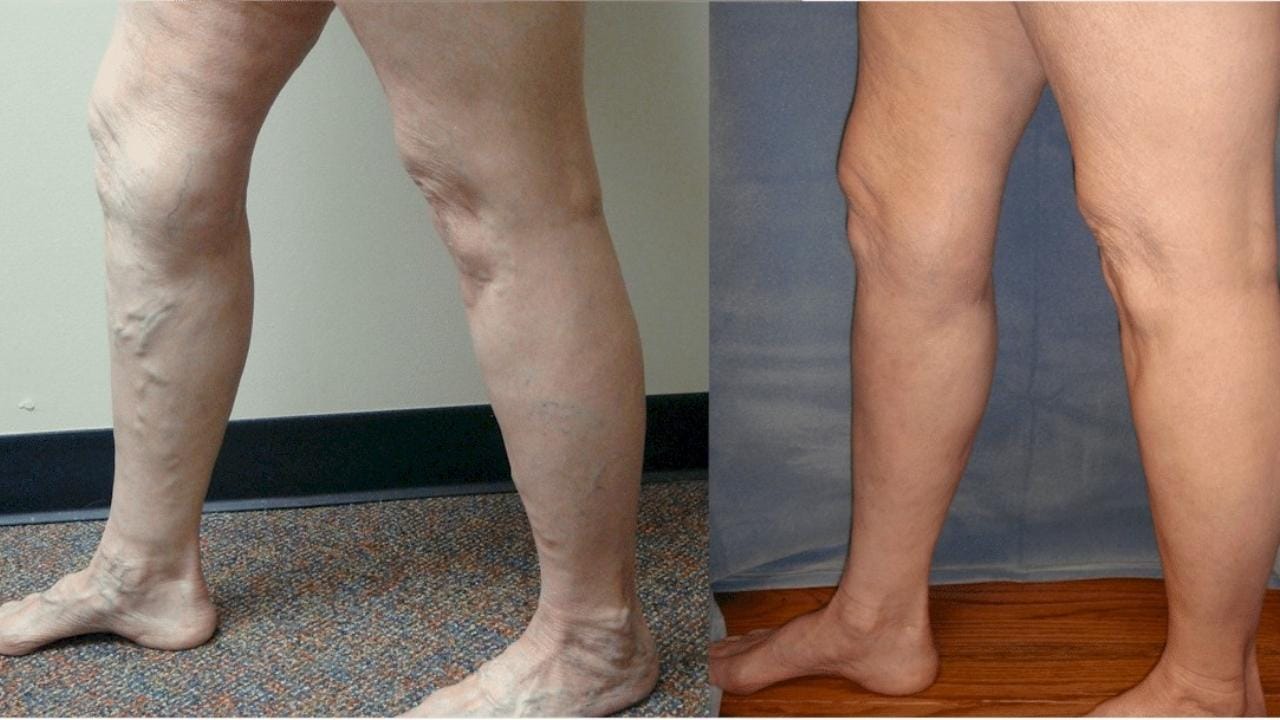
- Family history of vein problems
- Long hours of standing or sitting
- Hormonal changes
- Pregnancy
- Excess weight
This is also a good time to note that many patients wonder about risks during treatment so if you’re concerned about complications like blood clots, read “Can Varicose Vein Treatment Cause Blood Clots?” to understand safety and risk factors clearly.
Think of it like fixing one leaky pipe: that pipe is repaired, but others can leak in the future if pressure builds again.
How Long Do Results Last?
Most people enjoy long-term results. With modern treatments like EVLT or RFA, success rates are 90-98%, and recurrence is rare if you maintain good vein health.
Typical results timeline:
Immediately after treatment, Veins may look bruised or firm.
- 2-6 weeks: Swelling and discoloration fade.
- 3-6 months: Treated veins are no longer visible.
- 1-3 years: Results remain stable with proper care.
How to Prevent Varicose Veins from Coming Back
After treatment, you can reduce the risk of new veins forming by adopting healthy lifestyle habits:
- Exercise regularly – walking, cycling, and swimming boost leg circulation.
- Maintain a healthy weight – reduces pressure on leg veins.
- Avoid sitting or standing for too long – move every 30-60 minutes.
- Expand your legs when resting to help blood flow
- Wear compression stockings if recommended by your doctor.
- Eat a balanced diet rich in fiber and low in salt.
These small changes go a long way in keeping your veins healthy and preventing recurrence.
When to Follow Up After Treatment?
Regular checkups are an essential part of maintaining healthy veins, even if you feel perfectly fine after treatment. Your doctor may recommend a follow-up ultrasound a few weeks after your procedure to confirm that the treated veins have fully closed and that blood flow has successfully shifted to the healthier veins.
This imaging also helps detect any small residual or new varicose veins early, allowing for quick intervention before they become symptomatic.
In the months following treatment, it’s important to monitor your legs for any changes, such as renewed swelling, pain, heaviness, or the appearance of new visible veins.
These symptoms don’t always mean your treatment failed; sometimes, they indicate that other nearby veins are starting to weaken — a common occurrence if you have an underlying tendency toward venous insufficiency.
By seeking medical advice promptly, your doctor can recommend supportive measures like compression stockings, lifestyle adjustments, or minor follow-up procedures to prevent the condition from progressing.
Regular checkups not only help preserve your treatment results but also ensure that your veins and overall leg health stay in the best possible condition for years to come.
When to See a doctor?
If you notice ongoing swelling, pain, heaviness in your legs, skin discoloration, or new and worsening varicose veins, it’s important to seek medical attention early. These symptoms can signal that your veins are under pressure again or that new vein problems are developing.
In more serious cases, skin changes, ulcers, or bleeding veins may also appear, which should never be ignored. For proper evaluation, diagnosis, and guidance on safe treatment options, consult a vascular surgeon in Houston who can help you understand what’s happening inside your veins and recommend the right preventive care to protect your long-term leg health.
The Bottom Line
So, do varicose veins go away after treatment?
Yes, the treated veins disappear permanently because they are closed or removed from your circulation. However, new varicose veins can form over time if vein health isn’t maintained.
With proper care, exercise, and medical follow-up, you can enjoy long-term relief, better leg appearance, and improved comfort.
In summary: Treatment erases old veins – your habits prevent new ones.
Frequently Asked Questions (FAQ)
How long after treatment will my veins disappear?
You’ll see improvement within a few weeks, but complete fading can take 3-6 months, depending on the vein size.
Can varicose veins come back in the same place?
No, once a treated vein is sealed or removed, it doesn’t reopen. However, new ones may appear in nearby veins over time due to factors like genetics, aging, hormonal changes, or prolonged standing, which can gradually weaken other vein valves.
Will I need more than one treatment?
Sometimes yes, especially for large or multiple veins. Your doctor may recommend two or more sessions for the best results.
Do treatments hurt?
Most modern procedures are minimally invasive and performed under local anesthesia, causing only mild discomfort.
Is varicose vein treatment permanent?
Yes, for the veins treated, but long-term prevention depends on lifestyle and genetics.