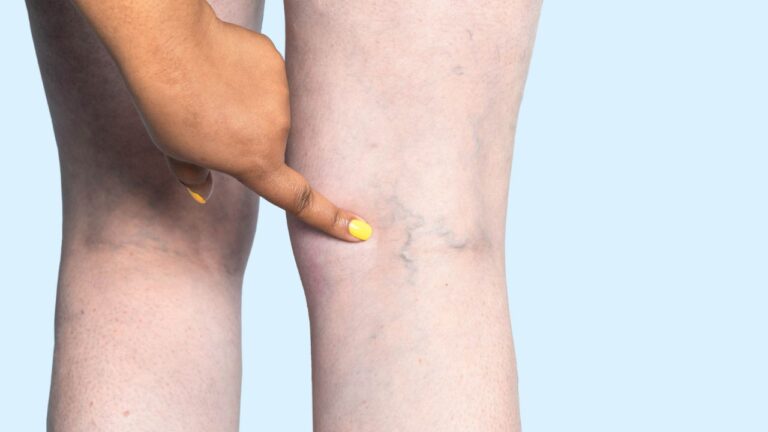
Varicose veins are enlarged, twisted veins that can cause discomfort, heaviness, and cosmetic concerns. Many people today look for a treatment that works fast and doesn’t require major surgery, and laser therapy has become one of the top choices.
This modern technique uses focused heat energy to close off the damaged vein so your blood naturally reroutes through healthier ones.
In this guide, you’ll learn how laser therapy works, how effective it is, and whether it might be the right option for you.
Let’s see the detailed discussion of today’s topic-
What Is Laser Therapy for Varicose Veins?
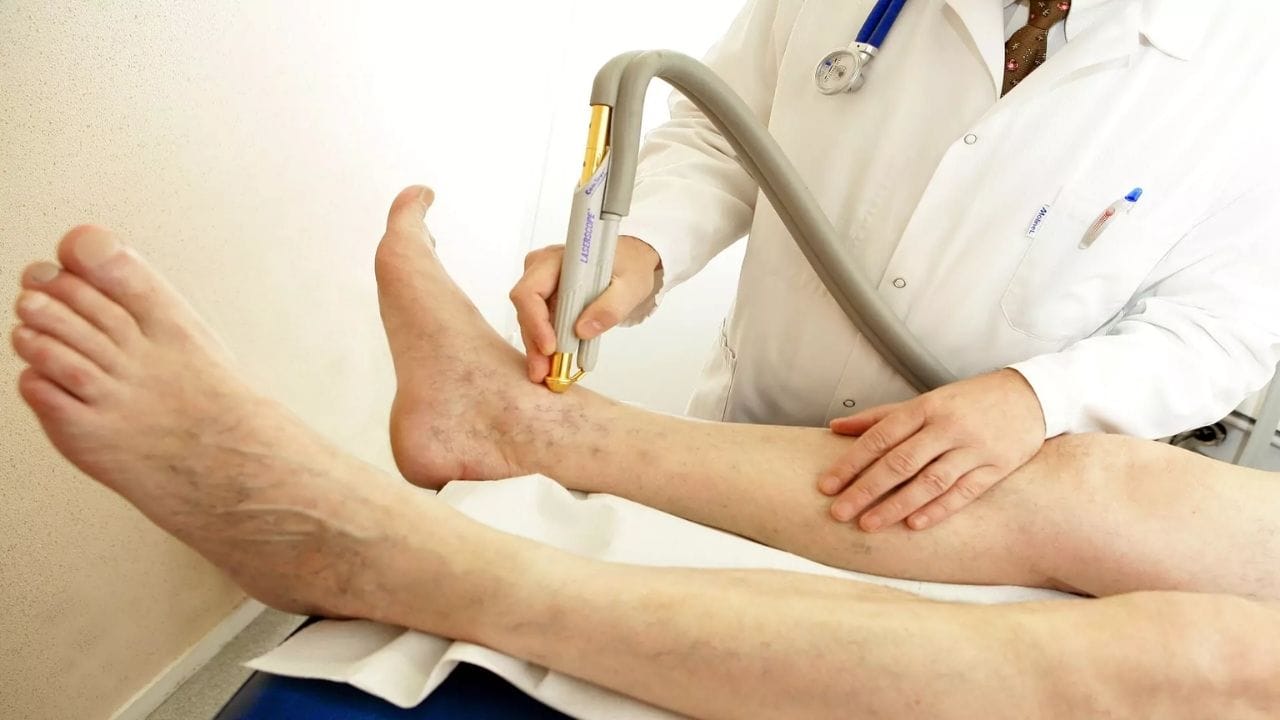
Laser therapy for varicose veins is a minimally invasive procedure that uses targeted laser energy to seal a problem vein from the inside. The most common method, Endovenous Laser Therapy (EVLT), involves inserting a thin laser fiber into the vein. When the laser delivers heat, the vein walls collapse, close, and eventually get absorbed by your body. There are no large cuts, very little scarring, and most people can get back to normal activities quickly, often the same day.
Does Laser Therapy Really Work?
Yes, laser therapy is a very effective treatment for varicose veins. It has a proven success rate of 90-98%, especially for medium and large veins. Many patients feel relief from pain, heaviness, and swelling within a few days. Cosmetic improvements continue over the next few weeks. Because it’s non-surgical and minimally invasive, it comes with fewer risks and a much faster recovery than traditional vein stripping.
Types of Laser Treatments
There are two main laser treatment options for vein problems.
Endovenous Laser Treatment (EVLT) is used for deeper, larger varicose veins. A laser fiber is placed inside the vein, and heat is applied to close it from within. It’s highly effective and often the preferred choice for symptomatic veins.
Simple Laser Treatment is done on the surface of the skin and is used for small spider veins or tiny varicose veins. No fiber is inserted; instead, the laser is applied externally. It usually takes several sessions to see full results and is mainly chosen for cosmetic improvements.
Simple Laser Treatment is performed on the surface of your skin and works best for small spider veins or very thin varicose veins. It’s non-invasive, requires no incisions, and usually needs multiple sessions for best results. Many patients choose this option when comparing how to select a spider vein treatment cosmetic procedures, especially if they prefer a gentler, surface-level approach.
How the Procedure Is Done
During laser treatment for varicose veins, the process is quick, precise, and minimally invasive. First, the specialist uses an ultrasound to map the vein and guide the procedure. A small amount of local anesthesia is applied to numb the area. Then, a thin laser fiber is inserted into the vein through a tiny incision.
Once the fiber is in place, controlled laser heat is released to seal the vein from the inside. The entire procedure usually takes 30-60 minutes, and most patients can walk out immediately and return to normal activities the same day.
Key steps :
- Ultrasound mapping.
- Local anesthesia.
- Laser fiber insertion.
- Heat applied to close the vein.
- Quick recovery.
Benefits of Laser Therapy
Laser therapy offers several advantages that make it one of the most preferred treatments for varicose veins in the U.S. It is minimally invasive, meaning no large cuts, stitches, or hospital stays. The procedure has a very high success rate and provides fast relief from symptoms like pain, heaviness, and swelling.
Recovery is quick, and most people return to daily routines right away. It also improves the appearance of the legs with minimal scarring and a lower chance of the vein reopening in the future.
Benefits:
- Minimally invasive.
- High success rate (90-98%).
- Low pain during and after the procedure.
- Fast cosmetic improvement.
- Short recovery time.
- Very small incision and minimal scarring.
Risks & Side Effects
Although laser therapy is considered safe and widely used, it still comes with a few risks and temporary side effects. Some patients experience mild bruising, tightness, or slight swelling around the treated area. Tingling or a pulling sensation may occur for a few days as the vein closes and heals.
Serious complications burns, blood clots, or nerve irritation, are rare but possible, especially if the vein is very large or twisted. Choosing a qualified vein specialist helps reduce these risks significantly.
Possible side effects :
- Mild bruising
- Temporary swelling
- Tight or pulling sensation
- Skin tenderness
- Rare complications (blood clots, burns)
Who Is a Good Candidate?
A good candidate for laser therapy is someone dealing with varicose veins that cause symptoms like pain, heaviness, swelling, or visible bulging. It’s ideal for people who want a minimally invasive treatment and a quick recovery without major surgery. Laser therapy works best for medium to large veins that are fairly straight, allowing the laser fiber to pass through smoothly. It’s also a great choice for patients who cannot undergo traditional surgery due to age, medical conditions, or lifestyle limitations.
However, individuals with very twisted veins, advanced venous disease, or certain circulation problems may need different treatment options.
You’re a good candidate if:
- You have painful or swollen varicose veins.
- Your veins are medium to large and fairly straight.
- You prefer a minimally invasive treatment.
- You want a quick recovery.
- You cannot undergo major surgery.
- You seek both symptom relief and cosmetic improvement.
Aftercare & Recovery Timeline
Recovery after laser therapy is typically fast and straightforward. Most patients are encouraged to walk immediately after the procedure to improve blood circulation. Doctors usually recommend wearing compression stockings for one to two weeks to support healing.
You can return to work the same day or the next, depending on how you feel and the type of job you have. While normal activities are allowed, it’s important to avoid heavy exercise, hot tubs, or prolonged standing for a few days. Mild bruising, tightness, or tenderness is normal and usually fades within a week. A follow-up ultrasound ensures the treated vein is properly closed.
Aftercare tips:
- Walk for at least 20-30 minutes daily.
- Wear compression stockings for 1-2 weeks.
- Avoid heavy lifting and strenuous workouts.
- Skip hot tubs, saunas, and very hot showers temporarily.
- Attend your follow-up ultrasound appointment.
- Expect mild bruising or tightness for a short time.
Cost of Laser Therapy
The cost of laser therapy for varicose veins can vary widely depending on your location, the clinic’s reputation, the size and number of veins being treated, and the specialist performing the procedure. In the U.S., Endovenous Laser Treatment (EVLT) typically costs between $1,500 and $3,500 per leg.
Simple laser treatments performed on the skin surface generally cost less but may require multiple sessions, especially for smaller spider veins. If your veins cause medical symptoms such as pain, swelling, or heaviness, insurance may cover part of the procedure. Cosmetic-only treatments are usually paid out-of-pocket.
Patients often consider how long does cosmetic vein treatment take, as most laser sessions last 20-45 minutes, with follow-up appointments scheduled depending on vein severity. Understanding the time and cost for your specific case helps you plan better and set realistic expectations.
Factors that affect cost:
- Size and number of veins being treated.
- Clinic reputation and geographic location.
- Experience and expertise of the specialist.
- Number of sessions required.
- Whether symptoms qualify for insurance coverage.
- Type of procedure: EVLT vs. simple surface laser.
Laser Therapy vs Other Treatments
Laser therapy is one of the most popular minimally invasive options for treating varicose veins, but it’s not the only choice. Compared to older surgical methods like vein stripping, laser treatment is quicker, less painful, and requires almost no downtime. Many patients prefer it because it avoids hospital stays and leaves minimal scarring.
Other modern options like sclerotherapy and radiofrequency ablation (RFA) also work well. Sclerotherapy is usually better for small or surface-level veins, while RFA uses radiofrequency heat instead of laser heat but delivers similar results. A vein specialist such as Dr. Rema Malik can guide patients on the best option based on vein size, symptoms, and overall health.
How laser compares:
- Laser vs. Vein Stripping: Less invasive, quicker recovery.
- Laser vs. Sclerotherapy: Better for larger, deeper veins.
- Laser vs. RFA: Similar effectiveness; difference is the heat source.
- Laser vs. Foam Therapy: Laser offers more long-term closure for big veins.
When Laser Therapy May Not Work
Laser therapy is highly effective, but it isn’t the best fit for everyone. It may not work well for very twisted or extremely large veins because the laser fiber can’t easily pass through them. Patients with advanced deep vein issues or poor circulation may also require alternative treatments.
In some cases, a combination approach-like laser plus sclerotherapy-gives better results. A skilled vein specialist can evaluate your vein structure and determine whether laser therapy alone is enough or if another option will work better.
Situations where a laser may not be ideal:
- Veins are too twisted for the laser fiber.
- Veins are extremely large or irregular in shape.
- Deep vein disease is present.
- Severe circulation problems.
- Prior vein treatments failed.
- Combination therapy is required for full results.
Final Verdict: Is Laser Therapy Worth It?
Laser therapy is absolutely worth considering if you’re looking for a safe, effective, and minimally invasive solution for varicose veins. It offers long-lasting results, fast recovery, and a high success rate-often above 90%.
Most patients experience quick relief from symptoms like pain, heaviness, and swelling, along with noticeable cosmetic improvement. Compared to older surgical methods, laser therapy is easier on the body and allows you to return to normal activities almost immediately. Therefore, with guidance from an experienced vein specialist, most patients find laser therapy to be a reliable and worthwhile treatment choice.
So why is it worth it: It’s worth it, because of its-
- High success rate.
- Minimally invasive.
- Fast recovery.
- Great cosmetic results.
- Long-term symptom relief.
- Low risk of complications.
Any queries? Feel free to knock us.
FAQ
How long do laser results last?
Most results are long-lasting. Once the treated vein closes, it usually does not reopen. However, new varicose veins can appear over time due to genetics or lifestyle.
Does the procedure hurt?
Most people feel only mild pressure or warmth. Local anesthesia keeps you comfortable throughout the treatment.
Can varicose veins come back after laser therapy?
The treated vein won’t return, but new veins may form if you’re genetically prone or have risk factors like standing for long hours.
How soon can I go back to work?
Many patients return to work the same day or the next day, depending on their comfort level and job type.
Is laser therapy safe for older adults?
Yes. It’s safe for most age groups as long as overall circulation and vein health are suitable. A specialist like Dr. Rema Malik can evaluate this during a consultation.
How many sessions will I need?
EVLT typically requires only one session per vein. Smaller surface veins may need multiple simple laser sessions.