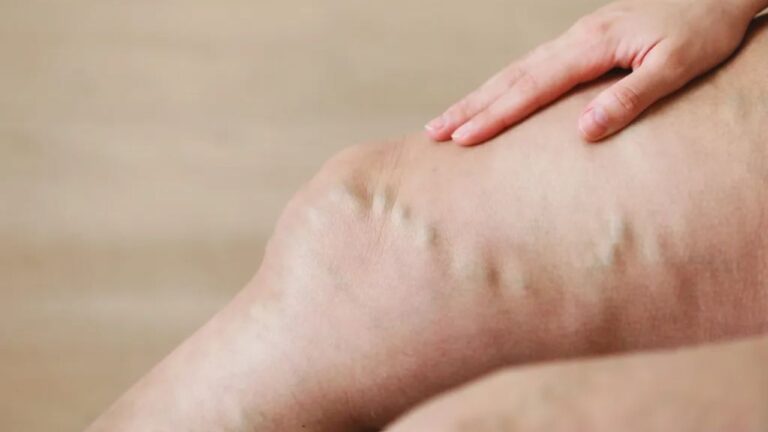
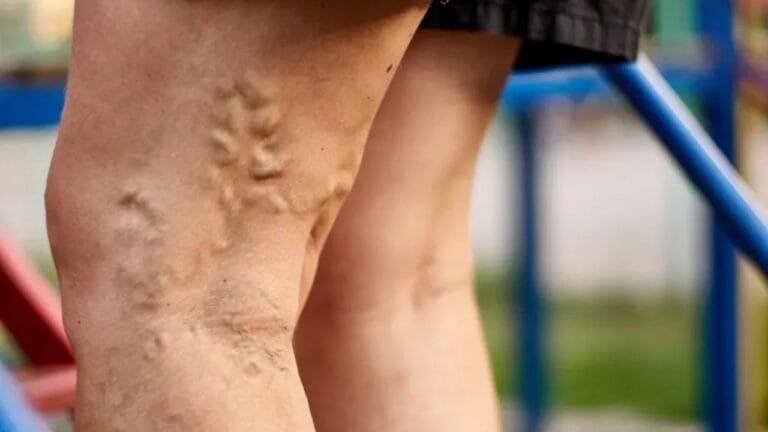
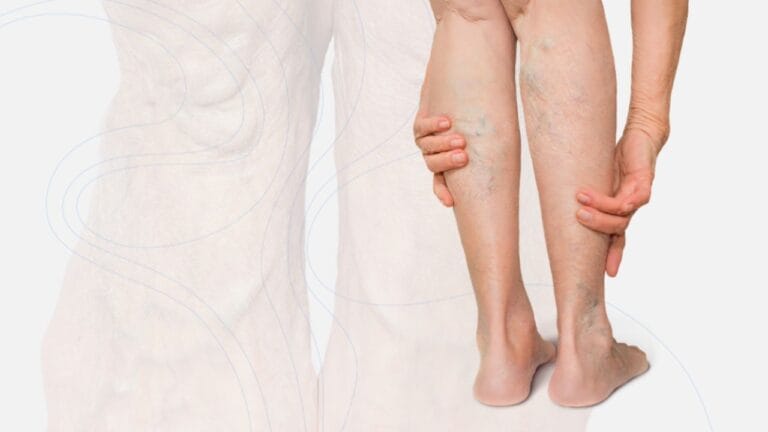
Modern cosmetic vein procedures are now faster, easier, and much more comfortable thanks to advancements in medical technology. These treatments work by safely closing or shrinking unwanted veins with minimal disruption to your daily routine.
Most sessions last 15-60 minutes, and patients can return to normal activities right away. Results develop gradually over the next several weeks, and larger veins may require a bit more time to fully improve.
Let’s start to find out-How Long Does Cosmetic Vein Treatment Take?
Treatment Duration Overview
The total time needed depends on several key factors-mainly the type of veins being treated and the method recommended by your doctor. Smaller spider veins can be treated quickly, while deeper varicose veins require longer and more detailed procedures.
Key timing:
- Spider vein sessions: 15-30 minutes.
- Varicose vein sessions: 30-60 minutes.
- Catheter-based procedures (EVLT/RFA): 45-90 minutes.
- Prep + aftercare guidance: 10-5 minutes.
Average Time for Common Cosmetic Vein Treatments
Different cosmetic vein procedures have different time requirements. Below is a quick overview of how long each treatment typically takes and what you can expect.
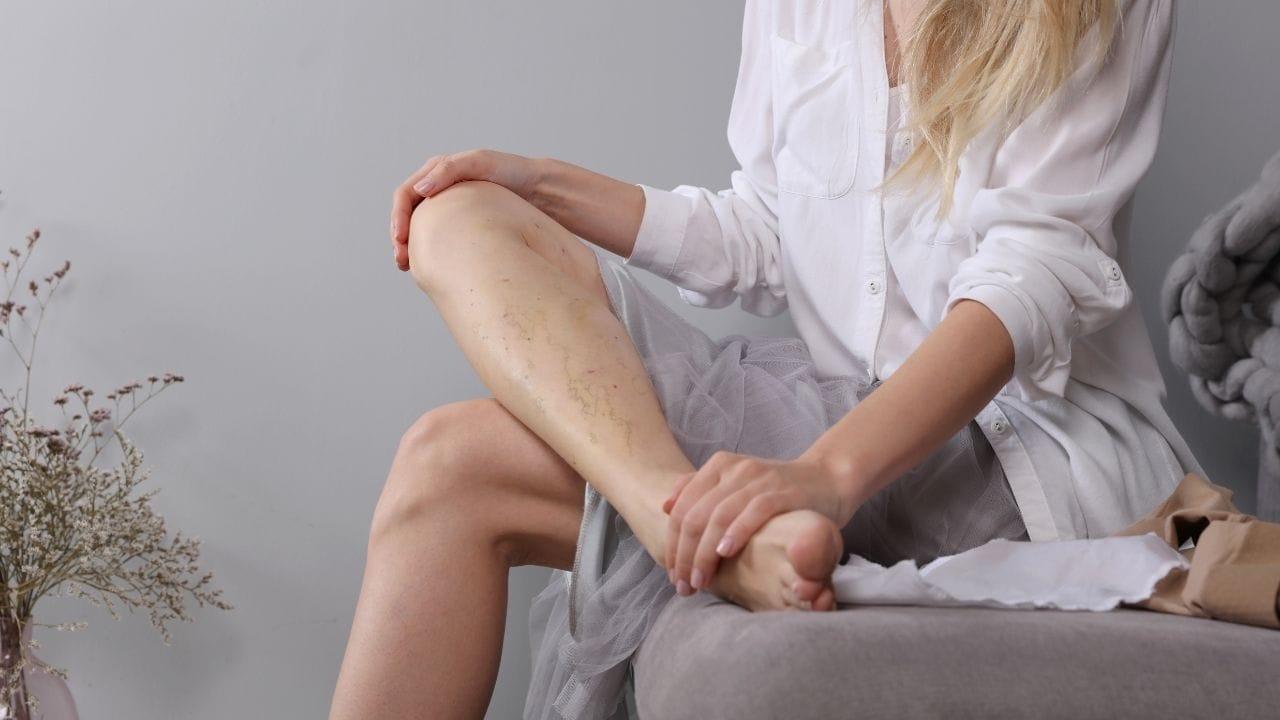
Sclerotherapy
This is one of the most popular and quickest treatments for small varicose veins and spider veins. It works by injecting a solution that causes the vein to collapse and fade over time.
Time required:
- Actual procedure: 15-30 minutes.
- No downtime.
- Multiple sessions may be needed for full clearance.
Laser Vein Treatment (Surface Laser)
This treatment targets small veins on the skin’s surface using focused laser heat. It’s often used for facial veins or fine spider veins on the legs.
Time required:
- Session duration: 15-45 minutes..
- Works best for small facial or leg veins.
- Mild redness afterwards is common.
Endovenous Laser Treatment (EVLT)
EVLT is designed for larger varicose veins and uses a thin laser fiber placed inside the vein to seal it from the inside.
Time required:
- Procedure length: 45-60 minutes.
- Includes ultrasound guidance.
- Patients walk immediately after the procedure.
Radiofrequency Ablation (RFA)
RFA is similar to EVLT but uses radiofrequency energy instead of laser heat. Many patients find it even more comfortable and equally effective.
Time required:
- Procedure length: 45-60 minutes.
- Minimal discomfort.
- Quick return to daily activities.
Foam Sclerotherapy
Ideal for medium or large varicose veins, this method uses a specially prepared foam injected into the vein to seal it more efficiently.
Time required:
- Session duration: 20-40 minutes.
- Useful for veins too large for regular sclerotherapy.
- May require multiple treatments.
How Many Treatment Sessions Are Required?
The number of sessions needed for cosmetic vein treatment varies depending on the size, number, and severity of your veins. Some veins respond quickly, while others may need multiple treatments for the best results. Your specialist will create a plan tailored to your needs.
Session Count by Treatment Type
The number of sessions varies depending on the severity of your veins and your desired results.
Typical session counts:
- Spider veins: 2-4 sessions.
- Small varicose veins: 1-3 sessions.
- Large varicose veins (EVLT/RFA): Usually 1 main session.
- Foam sclerotherapy: 1-2 sessions.
- Combination treatments: May require several visits over a few months.
What Affects Treatment Time?
The duration of cosmetic vein treatment varies from patient to patient. Several key factors influence how long your session will take, from the size of your veins to the technology used during the procedure.
Vein Size and Severity
Larger or deeper veins naturally take more time because they require stronger energy, more precision, and careful guidance.
- Small surface veins = faster sessions
- Large, twisted, or deeper veins = longer, more detailed procedures
Number of Veins Treated
Treating a few veins takes only minutes, while treating multiple clusters increases the overall session time.
- More veins = more injections or laser pulses
- Multiple clusters may need to be treated over several visits
Treatment Technology Used
Advanced systems often shorten procedure time and improve comfort, while certain methods require extra steps.
- Newer lasers and radiofrequency systems = faster treatment
- Ultrasound-guided procedures add accuracy but require a few additional minutes
Practitioner Experience
A skilled vein specialist can complete procedures more efficiently with fewer interruptions and better treatment flow.
- Faster injections and smoother technique
- More accurate catheter placement
- Lower risk of needing repeat sessions
Recovery Time After Cosmetic Vein Treatment
Recovery from cosmetic vein procedures is generally smooth and quick. Most patients can return to daily routines right away, with only mild temporary effects.
Immediate Post-Treatment Time
Right after treatment, you may notice a few short-term changes that usually fade within hours to days.
- Mild redness or swelling is common.
- Compression stockings may be recommended.
- Walking immediately after treatment is encouraged.
- No major downtime for most procedures.
At this stage, many patients also wonder how long off work after varicose vein surgery. For most minimally invasive treatments like EVLT, RFA, or sclerotherapy, you can usually return to work the same day or within a couple of days, depending on your job’s physical demands and the size of the veins treated.
Visible Results Timeline
Although recovery is fast, visible improvement takes time because the body needs to absorb the closed veins.
- Small spider veins fade in 2-6 weeks.
- Medium veins improve within 4-8 weeks.
- Larger varicose veins may need 8-12 weeks or longer.
- Multiple sessions can extend the overall timeline.
How To Prepare For a Faster Treatment Session
Proper preparation can make your cosmetic vein treatment quicker, more comfortable, and more effective. Wearing loose, comfortable clothing helps the specialist access the treatment area easily, while avoiding lotion or oil ensures the veins can be treated without interference. Staying hydrated before your appointment can make injections or laser treatments smoother, and bringing any recommended compression stockings can support immediate post-treatment care. It’s also important to inform your specialist about any medications you are taking. For personalized guidance on preparing for your session, consult Dr. Rema Malik to create a plan tailored to your needs.
When To Expect Full Results
The timeline for seeing full results depends on the type of procedure, the number of sessions, and how your body responds to treatment. Most patients notice significant improvement within 6-12 weeks, while larger or deeper veins may take up to 3-6 months to fully resolve. Using compression stockings as advised can support faster healing, and follow-up sessions may be recommended to ensure complete clearance of remaining veins.
For expert advice on what to expect and how to track your progress, schedule a consultation with one of the best vascular surgeons available nearby.
Conclusion
Cosmetic vein treatments are designed to be quick, safe, and minimally disruptive. With sessions ranging from 15 to 60 minutes, most patients return to regular activities right away. Results improve gradually, depending on the size and severity of the veins.
Better, to get the best treatment plans for your veins, consult with one of the good vascular surgeons available nearby.
FAQs
Do cosmetic vein treatments hurt?
Most patients feel only mild discomfort. Sclerotherapy may feel like a quick pinch, and laser treatments can feel like gentle warmth. Larger veins may require local anesthesia, making the procedure virtually painless.
How many sessions will I need?
Small spider veins may clear in 1–2 sessions, while larger varicose veins could require 2-4 sessions. Your vein specialist will recommend a personalized plan based on your condition.
When will I see the full results?
Visible improvement usually begins within 2-6 weeks, with full results in 2-3 months. Larger veins may take longer to fade, and follow-up sessions may be suggested.
Reference
- American Vein & Lymphatic Society
- Society for Vascular Surgery (SVS) Guidelines
- Journal of Vascular Surgery & Venous Lymphatic Disorders