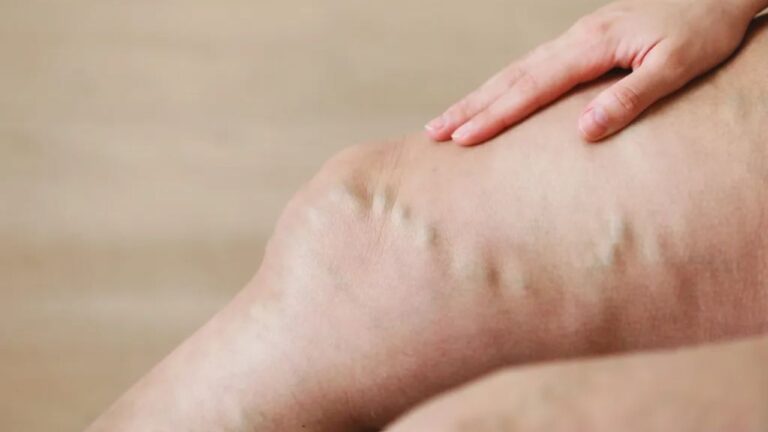
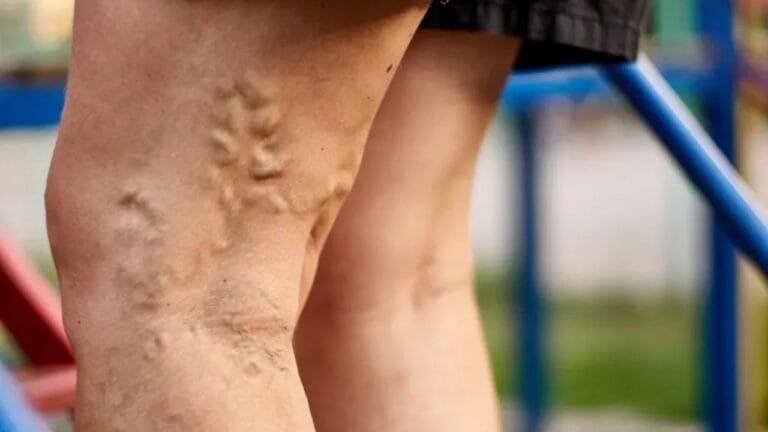
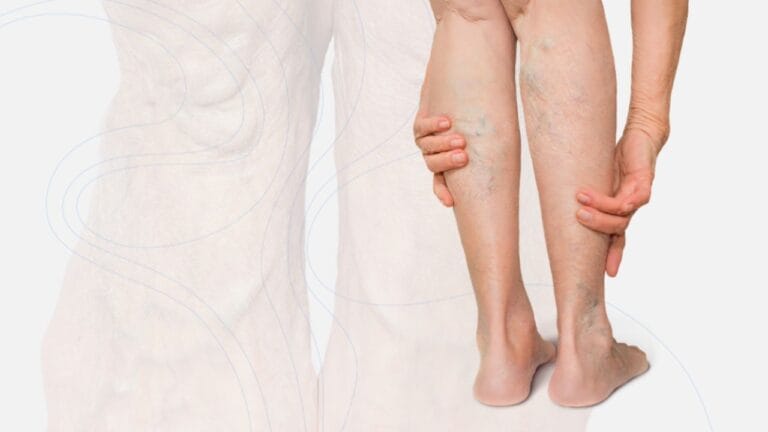
Choosing the right spider vein treatment is key to getting safe, effective, and long-lasting results. Spider veins are small, visible veins that appear just under the skin, often red, blue, or purple, and can look like tiny branches or spider webs. While generally harmless, they can affect self-confidence and, in some cases, indicate underlying vein problems.
Understanding the causes, treatment options, and important factors will help you make the best decision for your individual needs. If you have both cosmetic concerns and larger veins, your specialist may also discuss Varicose Vein Treatment to address deeper or more severe vein issues.
Let’s see How To Select A Spider Vein Treatment (Cosmetic Procedures) in the following way-
What are Spider Veins?
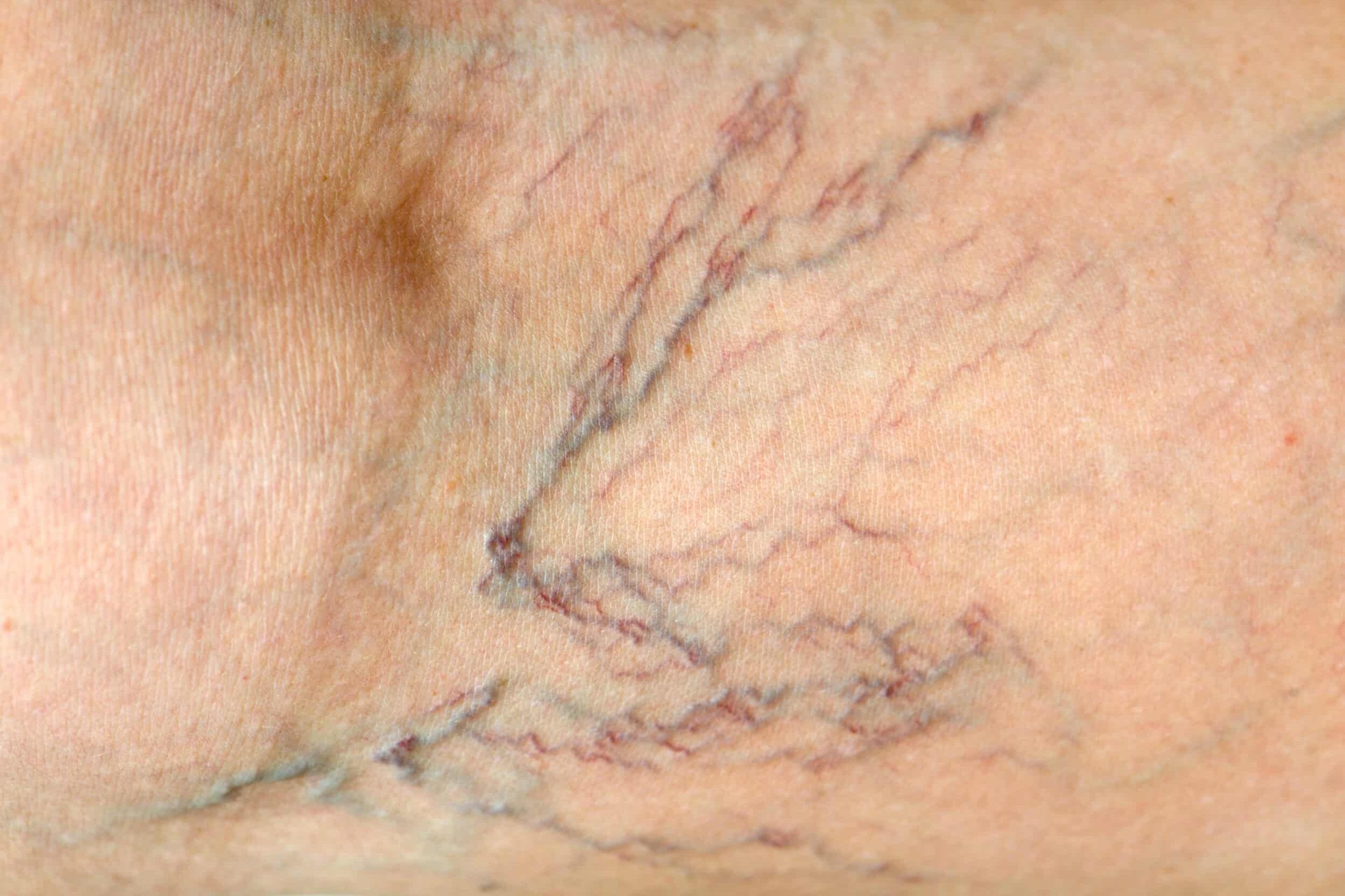
Spider veins, also called telangiectasias, are small, thin veins that become visible when the walls or valves weaken. Unlike larger varicose veins, they usually don’t cause major pain but can sometimes cause itching, mild burning, or swelling. They most commonly appear on the legs and face, affecting appearance and sometimes indicating higher venous pressure.
Common Causes
Spider veins can develop for multiple reasons:
- Genetics: A family history of spider or varicose veins makes you more likely to develop them.
- Hormonal Changes: Puberty, menopause, birth control, and hormone therapy can trigger vein visibility.
- Pregnancy: Increased blood volume and hormonal changes can lead to new or worsening veins.
- Sun Exposure: UV rays weaken skin and vein walls, especially on the face.
- Prolonged Sitting or Standing: Jobs or activities that keep you in one position increase pressure in leg veins.
When Treatment Is Needed?
Most spider vein treatments are elective and cosmetic, but treatment may be considered for comfort, appearance, or mild symptoms. Some people seek treatment to relieve itching or burning, while others do it purely for cosmetic improvement. A vein specialist can determine if treatment is appropriate and recommend the best procedure for your specific condition.
Key Factors To Consider When Choosing a Spider Vein Treatment
Selecting the right spider vein treatment involves more than just picking a procedure; several key factors affect both the effectiveness of the treatment and your overall experience. Understanding these factors can help you and your provider create a customized plan that delivers safe, lasting, and aesthetically pleasing results.
Severity and Size of Veins
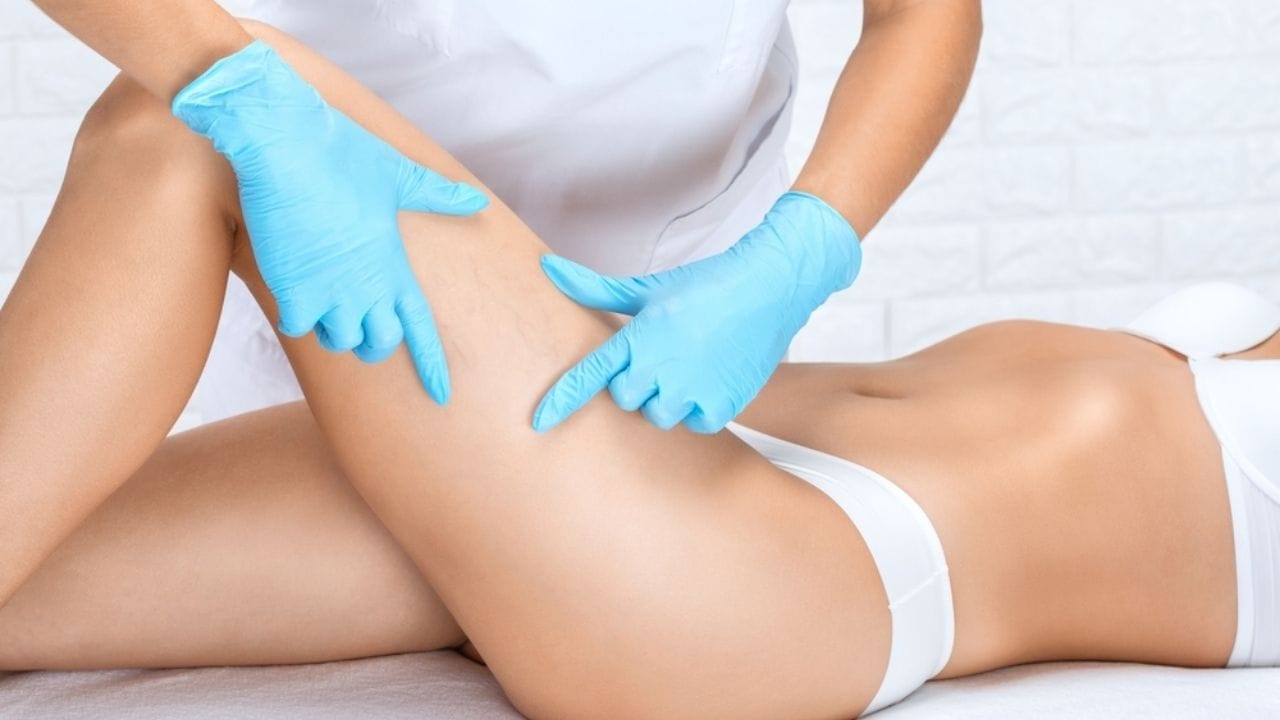
The size and severity of your veins play a major role in determining which treatment will work best.
- Small, superficial veins: Often respond well to laser therapy or IPL, which are non-invasive and quick.
- Medium or larger veins: Usually require sclerotherapy or foam injections for optimal results.
- Extensive clusters: May need multiple sessions or a combination of treatments to fully address the area.
Treatment Goals
Your personal goals for vein treatment also guide the choice of procedure.
- Cosmetic improvement: If appearance is your main concern, non-invasive options like laser or IPL may suffice.
- Symptom relief: If veins cause itching, burning, or mild pain, sclerotherapy or RF treatments may be more effective.
- Prevention of future veins: A combination of medical treatment and lifestyle adjustments may be recommended.
Skin Type and Fitzpatrick Classification
Skin tone and sensitivity influence which treatments are safe and effective.
- Light skin types often respond well to laser or IPL therapy.
- Darker skin tones require specialized lasers to reduce the risk of pigmentation changes.
- Skin type also affects healing and the risk of post-treatment redness or irritation.
Medical History
Your health history can impact the safety and success of treatment.
- Certain medications, clotting disorders, or heart conditions may limit treatment options.
- Pregnancy or recent surgery may require delaying treatment.
- Always disclose your medical history to ensure safe, personalized care.
Downtime and Recovery Preferences
Different treatments require varying levels of recovery, which may affect your choice.
- Minimal downtime: Laser and IPL treatments allow immediate return to normal activities.
- Short-term recovery: Sclerotherapy or RF treatments may require wearing compression stockings for a few days and limiting strenuous activity.
- Personal preference: If you prefer rapid recovery with no interruption to daily life, discuss this with your provider to select the most suitable procedure.
Main Cosmetic Procedures for Spider Veins
Several cosmetic procedures are available to treat spider veins, each with its own advantages depending on vein size, location, and patient preferences. Understanding how each works can help you make an informed choice with your provider.
Sclerotherapy (Gold Standard)
Sclerotherapy is widely regarded as the most effective and reliable treatment for spider veins. It involves injecting a specially formulated solution directly into the vein, causing it to collapse and gradually fade over several weeks.
- Procedure time: Usually 15-30 minutes per session.
- Number of sessions: Typically 1-3, depending on vein size and severity.
- Advantages: High success rate for small to medium veins, minimal discomfort, and quick recovery.
- Considerations: Compression stockings may be recommended afterward to enhance results.
Laser Therapy
Laser therapy uses focused light energy to heat and seal visible veins. It is non-invasive, making it an excellent option for patients who prefer to avoid injections.
- Procedure time: 15-45 minutes per session.
- Number of sessions: Often 2-4 for optimal results.
- Advantages: No needles, minimal discomfort, effective for small surface veins on legs or face.
- Considerations: Mild redness or swelling may appear after treatment.
Intense Pulsed Light (IPL)
IPL therapy uses broad-spectrum light to target veins and improve skin tone simultaneously. It is less invasive than sclerotherapy and can be particularly useful for facial spider veins.
- Procedure time: 20-40 minutes per session.
- Number of sessions: Usually 3-5 for full results.
- Advantages: Improves both vein visibility and skin appearance, with minimal downtime.
- Considerations: Works best on lighter skin tones; multiple sessions often required.
Radiofrequency (RF) Vein Removal
RF treatments apply controlled radiofrequency energy to heat and seal targeted veins. This method is effective for both small and medium-sized veins and is a popular alternative to laser therapy.
- Procedure time: 20-45 minutes per session.
- Number of sessions: Typically 1-2, depending on vein extent.
- Advantages: Minimal downtime, effective for multiple areas, comfortable procedure.
- Considerations: Compression garments may be recommended for optimal recovery.
How To Compare Providers and Clinics
Choosing the right provider and clinic is just as important as selecting the spider vein treatment itself, as it directly affects the safety, effectiveness, and overall experience of your procedure. One of the first things to consider is certification and credentials.
Make sure your provider is board-certified in dermatology, vascular medicine, or cosmetic surgery and has specialized training in vein treatments and cosmetic procedures. Experienced providers are more likely to deliver consistent, high-quality results and minimize the risk of complications.
Equally important is the technology and tools used at the clinic. Modern lasers, radiofrequency devices, and ultrasound-guided tools can improve precision, reduce procedure time, and make recovery smoother.
Clinics that rely on outdated equipment may have slower procedures, less accurate outcomes, and potentially more discomfort. Advanced technology often allows providers to achieve optimal results in fewer sessions, making treatments more convenient for patients.
Another key factor is reviewing the provider’s before-and-after portfolio. High-quality photos of past patients with similar vein types can help you set realistic expectations and evaluate the provider’s consistency. It’s also helpful to ask about both short-term and long-term results to understand how effective the treatments are over time.
The quality of the consultation is also a critical indicator of a clinic’s professionalism. A thorough consultation should include a careful assessment of your veins, a discussion of treatment options, and a clear explanation of expected outcomes. Your provider should consider your goals, medical history, and lifestyle, and be willing to answer all your questions to ensure comfort and confidence in the procedure.
Finally, safety protocols are a top priority. Ensure the clinic follows strict sterilization, hygiene, and equipment maintenance standards. They should also have procedures in place to handle any complications that may arise. Clinics that prioritize safety not only reduce the risk of side effects but also deliver better overall treatment outcomes, giving you peace of mind throughout the process.
Cost and Treatment Planning
Understanding the cost and planning your treatment is an essential part of selecting the right spider vein procedure. The overall price can vary widely depending on the type of treatment, the size and number of veins, the number of sessions required, and the expertise of the provider.
Typical Price Ranges
Understanding the cost and planning for spider vein treatment is an important part of choosing the right procedure. Costs vary depending on the treatment type, the size and number of veins, the number of sessions needed, and the provider’s expertise.
While most spider vein treatments are considered cosmetic and not covered by insurance, knowing the typical price ranges, session requirements, and coverage options can help you plan your budget and avoid surprises.
Typical Price Ranges
- Sclerotherapy, the gold standard for spider veins, typically costs $250-$825 per session, depending on the number of veins and clinic location.
- The average cost per session reported by the American Society of Plastic Surgeons is around $500.
- Laser or IPL treatments generally range from $300-$400 per session, suitable for small surface veins.
- Costs may be higher in large metropolitan areas due to clinic fees and provider experience.
Number of Sessions Needed
The number of sessions required depends on the severity and extent of your veins, as well as the treatment method. Small, isolated veins may be cleared in one or two sessions, whereas larger or clustered veins often need multiple sessions to achieve optimal results. Some patients may also require a combination of treatments spread over several months.
Knowing the expected session count helps you plan your schedule and manage expectations for recovery and visible results. For personalized guidance on how many sessions you might need, it’s best to consult Dr. Rema Malik, who can recommend a plan tailored to your vein condition and goals.
- Small, isolated spider veins may require 1-2 sessions.
- Larger or clustered veins often need 2-4+ sessions for optimal results.
- Multiple sessions increase the total cost proportionally, potentially reaching $1,050-$1,500 for three sessions.
- Some patients may require a combination of treatments over several months, depending on severity.
Insurance Considerations
Most spider vein treatments are considered cosmetic, which means insurance usually does not cover the costs. However, if the veins cause pain, swelling, or other medical issues, documentation of medical necessity may allow for partial coverage.
It’s important to check with your insurance provider and discuss any coverage possibilities with your clinic to avoid surprises
- Most spider vein treatments are considered cosmetic, meaning insurance coverage is rare.
- If veins cause medical issues like pain, swelling, or ulcers, some insurance plans may provide partial coverage.
- Nearly 100% of cosmetic spider vein treatments are out-of-pocket in the U.S.
- Always confirm coverage with your insurance provider and discuss payment plans or financing options with your clinic.
At-Home and Preventive Measures
Even after professional spider vein treatments, taking care of your veins at home can help maintain results and prevent new veins from forming. One of the most effective measures is wearing compression stockings.
These specialized stockings gently support the veins, improve blood circulation, and reduce pressure in the legs, which can prevent veins from enlarging or worsening.
Daily habits also play a critical role in vein health. Regular physical activity, such as walking or light exercises, encourages proper blood flow and reduces vein strain. Avoiding prolonged periods of sitting or standing helps minimize pressure buildup in the legs.
Elevating your legs whenever possible and taking short breaks to move during the day can make a noticeable difference in vein health over time.
Sun protection is especially important for facial spider veins and for preventing the weakening of vein walls. Applying sunscreen daily and limiting direct sun exposure helps protect delicate skin and reduces the risk of new veins appearing.
Wearing protective clothing or using a broad-spectrum sunscreen can also prevent pigmentation changes after treatments like laser or IPL.
By combining professional treatment with these at-home measures, patients can enjoy longer-lasting results, healthier veins, and improved overall skin appearance.
Conclusion
Choosing the right spider vein treatment involves understanding the types of veins, the severity of your condition, your skin type, and your personal goals. Treatments like sclerotherapy, laser therapy, IPL, or radiofrequency can provide effective and lasting results when performed by a qualified specialist.
Combining professional treatment with proper at-home care, such as wearing compression stockings, maintaining healthy daily habits, and protecting your skin from the sun, can maximize results and prevent new veins from forming.
For a personalized treatment plan and expert guidance, it’s best to consult a board-certified vein specialist who can tailor procedures to your needs and ensure safe, effective outcomes.
FAQ
What Is the Most Effective Treatment for Spider Veins?
Sclerotherapy is the gold standard for most spider veins, especially on the legs. Laser therapy works well for very small or facial veins.
Is Laser or Sclerotherapy Better?
Sclerotherapy is ideal for small to medium leg veins, while laser/IPL is best for tiny surface or facial veins. The best option depends on vein size and location.
How Long Does Spider Vein Treatment Last?
Treated veins are permanently removed, but new veins can appear over time. Full results usually appear within 2-3 months.
What Should I Do Before Choosing a Treatment?
Consult a certified vein specialist, review your medical history, and follow pre-treatment instructions like avoiding lotions or oils on the day of your session.
Reference:
American Society of Plastic Surgeons – Spider Vein Treatment
Healthline – Spider Vein Removal Costs and Options
The Aesthetic Society – Spider Vein Treatment Statistics
CareCredit – Sclerotherapy Financing and Cost