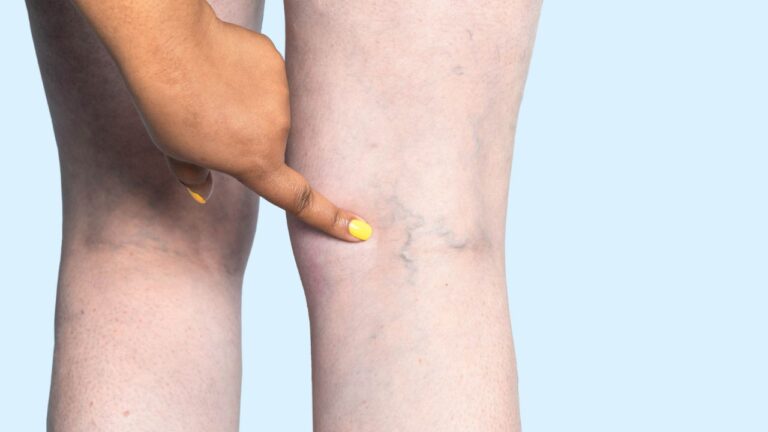
Chronic venous insufficiency (CVI) is a condition that affects millions of people worldwide, yet many are unsure about how serious it can be. If you’ve noticed leg swelling, heaviness, varicose veins, or skin changes, it’s natural to wonder: Can chronic venous insufficiency be deadly?
The good news is that CVI itself is rarely directly lethal. It is a chronic condition, meaning it develops gradually and can be managed effectively with lifestyle changes, medical therapies, and sometimes minimally invasive procedures. Understanding the risks, treatment options, and preventive measures is the best way to maintain leg health, mobility, and overall quality of life.
Let’s know the details from the description below-
Is Chronic Venous Insufficiency Lethal?
Chronic venous insufficiency (CVI) is a common vascular condition in which the veins in the legs cannot efficiently return blood to the heart. This happens when vein valves weaken or fail, causing blood to pool in the lower legs. Over time, this increases venous pressure, leading to symptoms like leg swelling, heaviness, aching, varicose veins, skin changes, and, in severe cases, venous ulcers.
Importantly, CVI itself is rarely lethal. Unlike conditions such as heart disease or deep vein thrombosis (DVT), CVI usually progresses slowly over the years. Most patients experience discomfort, swelling, and cosmetic concerns rather than life-threatening complications. According to epidemiological studies, chronic venous disorders affect up to 40% of adults in the United States, with severe complications occurring in a smaller fraction (around 1-5% may develop chronic leg ulcers).
However, CVI can lead to more serious problems if left untreated. Complications such as venous ulcers or secondary infections can affect quality of life and require long-term medical care. Rarely, CVI can be associated with deep vein thrombosis (DVT), a condition where blood clots form in the deep veins, which can become life-threatening if a clot travels to the lungs (pulmonary embolism). This risk highlights the importance of early diagnosis, proper management, and lifestyle measures to prevent progression.
Treatment strategies focus on symptom relief and preventing complications. Simple interventions such as walking, leg elevation, weight management, and compression therapy reduce venous pressure and swelling. Minimally invasive procedures like endovenous laser therapy (EVLT) or sclerotherapy can close faulty veins, redirecting blood flow to healthy veins, improving symptoms, and preventing further complications.
Key Points:
- CVI is rarely directly fatal.
- Most patients experience swelling, heaviness, varicose veins, and skin changes.
- Severe complications like chronic ulcers affect 1-5% of adults with CVI.
- Rarely, CVI may be associated with DVT, which can be life-threatening if untreated.
- Early diagnosis, lifestyle changes, compression therapy, and minimally invasive treatments significantly reduce risks.
In summary, while CVI is a chronic and progressive condition, it is not usually life-threatening. Proper care, monitoring, and treatment can allow most patients to manage symptoms effectively and prevent serious complications.
How Chronic Venous Insufficiency Develops
CVI occurs when the valves in your leg veins fail to function properly, causing blood to flow backward and pool in the lower legs. This increases venous pressure, which can stretch veins, weaken vessel walls, and lead to visible varicose veins, swelling, and sometimes skin changes like discoloration or ulcer formation.
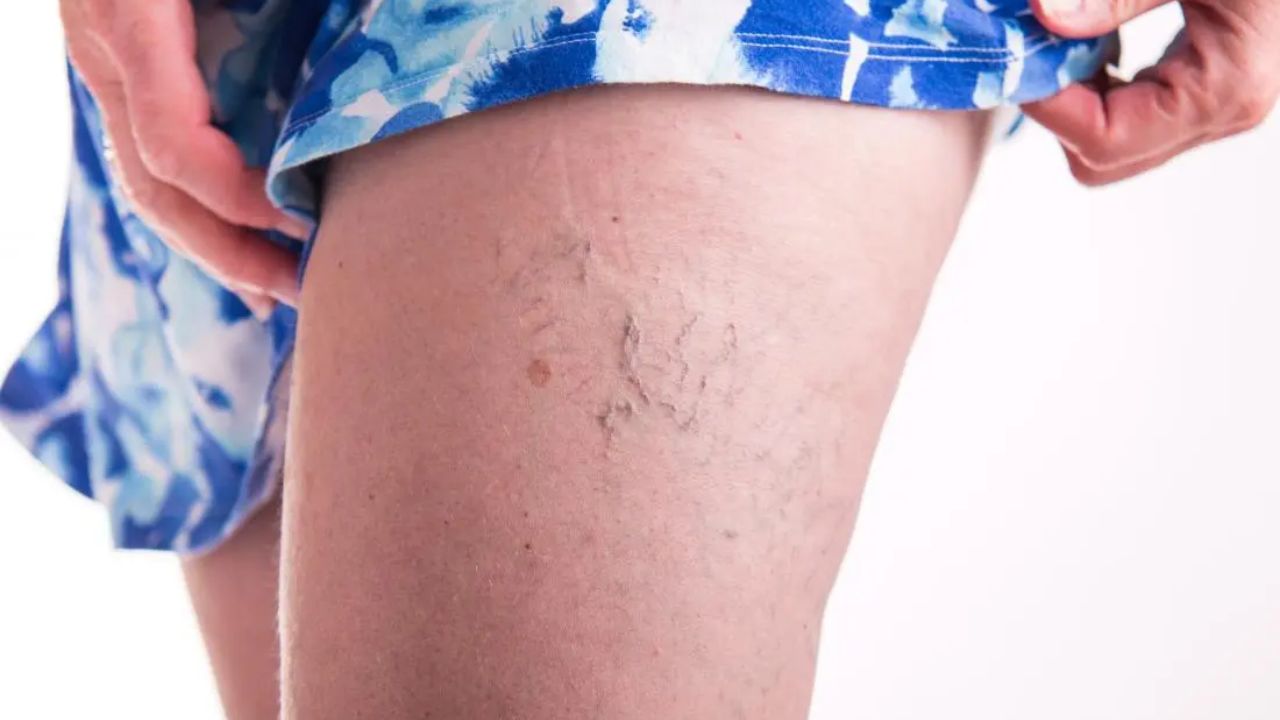
The symptoms often progress slowly, giving patients time to address issues early. Ignoring the condition can lead to discomfort, reduced mobility, and complications, but with proper management, serious outcomes are uncommon.
Potential Complications and What CVI Can Lead To
Many patients wonder what can chronic venous insufficiency lead to? Beyond discomfort and swelling, CVI can occasionally cause:
- Venous ulcers – slow-healing sores, usually around the ankles.
- Skin changes -hyperpigmentation, eczema, or thickening of the skin.
- Superficial thrombophlebitis – inflammation of veins that can cause pain and redness.
- Deep vein thrombosis (DVT) – rare, but more serious, clot formation in deeper veins.
While these complications can be serious, they are typically manageable if addressed early. CVI itself rarely results in death, but untreated venous disease can impact quality of life significantly and may require more aggressive medical or surgical interventions.
Treatment Options: From Lifestyle to Procedures
Simple lifestyle habits can make a big difference in managing chronic venous insufficiency. Walking regularly helps the calf muscles pump blood upward. Elevating your legs after sitting or standing reduces swelling. Maintaining a healthy weight lowers pressure on your veins. Compression stockings support blood flow and prevent fluid buildup.
For people with more noticeable varicose veins or persistent symptoms, minimally invasive procedures are very effective. One popular option is endovenous laser therapy (EVLT). Many wonder does laser therapy works on varicose veins, and the answer is yes. The laser closes the faulty vein, forcing blood to flow through healthier veins. Recovery is usually quick, complications are rare, and most patients feel relief soon after the procedure. When laser therapy is combined with daily preventive habits, it gives the best long-term results.
Professional Guidance: Who Can Help with Venous Insufficiency
Knowing who treats venous insufficiency is an important step in protecting your leg health. Venous conditions can progress slowly, and early evaluation by a specialist can make a big difference in outcomes. Professionals such as vascular surgeons, interventional radiologists, and vein specialists are trained to assess how well your veins are functioning. They use tools like ultrasound imaging to detect valve problems, blood flow issues, or early signs of complications that might not yet be visible.
These experts don’t just diagnose the condition; they create a personalized plan tailored to your needs. This plan may include lifestyle changes, compression therapy, preventive strategies, or minimally invasive procedures. By working with a specialist, patients can prevent worsening symptoms, control swelling, reduce discomfort, and maintain mobility and quality of life.
For those looking for trusted, patient-focused care, Dr. Rema Malik is widely recognized for her expertise in vascular and vein health. Her approach emphasizes early intervention, clear guidance, and combining medical treatments with lifestyle strategies to achieve the best long-term results. Consulting with a professional like Dr. Malik ensures that you are supported every step of the way, from early detection to ongoing management.
Key Takeaways for Managing Chronic Venous Insufficiency
- While CVI is rarely fatal, it can lead to discomfort, swelling, and complications if untreated.
- Early lifestyle adjustments-like walking, leg elevation, and weight management, slow disease progression.
- Consistent use of compression therapy helps improve circulation and reduce swelling.
- Minimally invasive treatments, such as laser therapy, effectively address varicose veins and relieve symptoms.
- Consulting a vein specialist ensures proper evaluation, personalized treatment, and long-term vein health.
Conclusion: Managing Risk with Knowledge and Action
Chronic venous insufficiency is not considered lethal, but it is a progressive condition that can significantly affect quality of life if left untreated. With early intervention, lifestyle modifications, and minimally invasive treatments, most patients can manage symptoms effectively, prevent complications, and maintain healthy legs for years to come.
Awareness, prevention, and timely care are the keys to living well with CVI. Understanding your veins, following a care plan, and seeking professional guidance when needed can make a major difference in your comfort, mobility, and confidence.
Frequently Asked Questions (FAQ)
Can chronic venous insufficiency become life-threatening?
Directly, CVI is rarely life-threatening. However, complications like deep vein thrombosis (DVT) can pose serious risks if untreated. Early management minimizes these risks.
How can I prevent CVI from worsening?
Regular movement, wearing compression stockings, elevating legs, maintaining a healthy weight, and timely medical checkups are essential preventive steps.
Is laser therapy effective for varicose veins?
Yes, endovenous laser therapy (EVLT) is highly effective, minimally invasive, and often offers immediate symptom relief with faster recovery than traditional surgery.
Do I need a specialist for venous insufficiency?
Consulting a vascular specialist or vein expert ensures accurate diagnosis, appropriate treatment, and guidance on long-term management.
References
- Society for Vascular Surgery -Chronic Venous Disease Guidelines
- American Venous Forum – Vein Health and Treatment Recommendations
- National Institutes of Health (NIH) -Chronic Venous Insufficiency Overview
- Cleveland Clinic – Varicose Veins and Venous Disorders
- Mayo Clinic – Chronic Venous Insufficiency: Causes, Symptoms, and Treatment