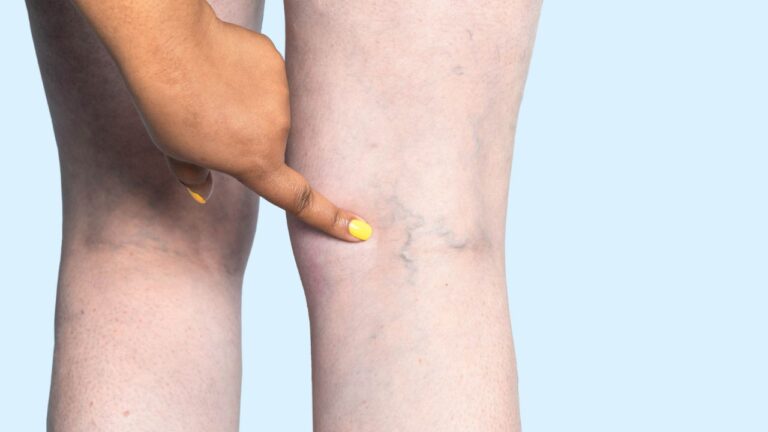
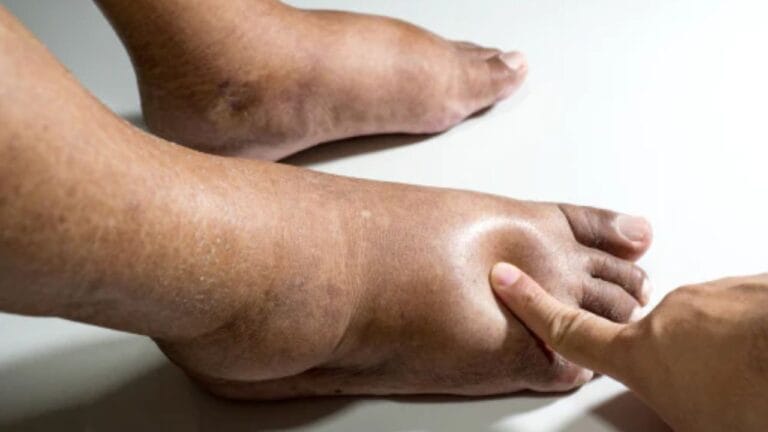
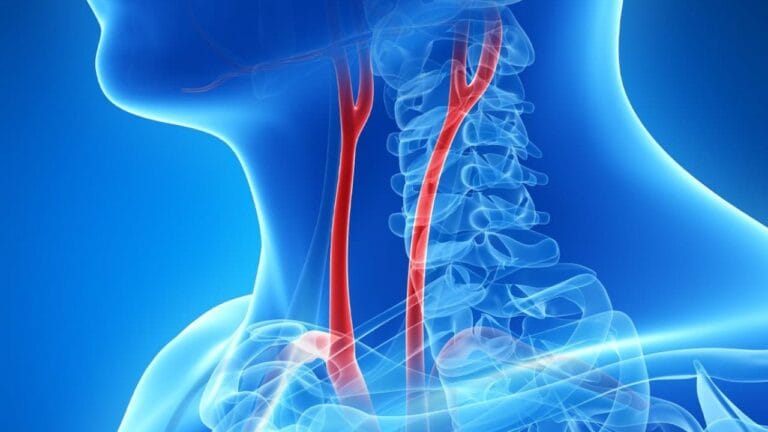
Varicose veins affect millions of people worldwide and often cause pain, swelling, and visible vein bulging. Laser therapy for treating varicose veins has become one of the most effective, minimally invasive solutions available today. It offers faster recovery, fewer complications, and high success rates compared to traditional surgery.
According to vascular studies, nearly 23% of adults develop varicose veins at some point in their lives, making modern treatment options increasingly important.
However, to understand why laser therapy is so effective, it is important to explore how the procedure works, who it benefits most, and what results patients can realistically expect.
So let’s know the details of laser therapy for treating varicose veins-
What Is Laser Therapy for Treating Varicose Veins?
Laser therapy for treating varicose veins is a medical procedure that uses controlled laser energy to close faulty veins. Instead of removing the vein, the laser seals it shut, allowing blood to naturally reroute to healthier veins.
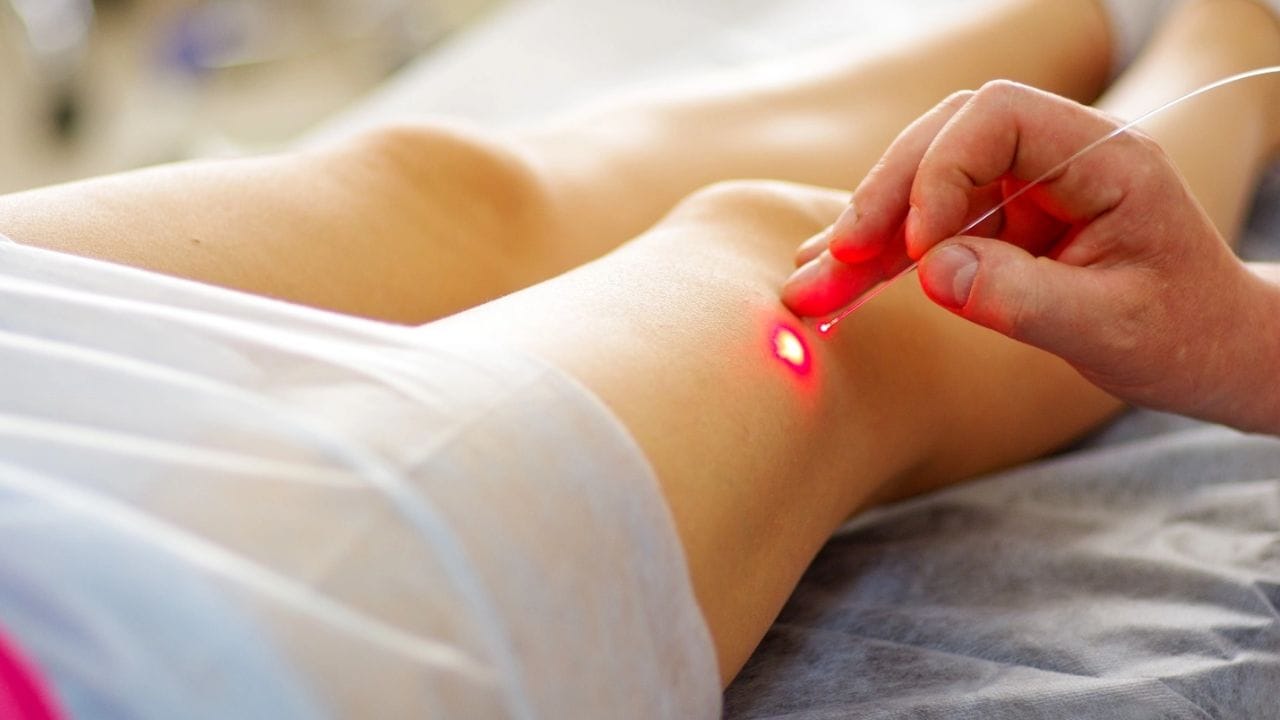
There are two main forms:
- Endovenous Laser Therapy (EVLT) for larger varicose veins
- Surface laser therapy for smaller veins and cosmetic improvement
This treatment is usually performed in an outpatient setting and does not require general anesthesia.
How Laser Therapy Works
During endovenous laser therapy, the procedure is performed in a controlled and minimally invasive manner to safely close damaged veins. Using imaging guidance, the physician ensures precise placement of the laser fiber so that healthy blood flow can naturally reroute after treatment.
During endovenous laser therapy:
- A thin laser fiber is inserted into the affected vein.
- Laser heat damages the vein wall.
- The vein collapses and seals shut.
- The body absorbs the closed vein over time.
Clinical data show laser therapy has a success rate of 90-98% for properly selected patients, making it one of the most reliable varicose vein treatments available today.
Who Is a Good Candidate for Laser Therapy?
Laser therapy for treating varicose veins is ideal for people who are experiencing ongoing vein-related discomfort and want a safe, minimally invasive solution. It works best when vein problems are diagnosed early and blood flow issues are clearly identified through proper medical testing.
This treatment is suitable for people who:
- Have symptomatic varicose veins.
- Experience leg pain, swelling, or heaviness.
- Have venous reflux confirmed by ultrasound.
- Want a non-surgical treatment option.
However, laser therapy may not be suitable for individuals with severe vein twisting, advanced vascular disease, or certain blood-clotting disorders. A thorough evaluation by a qualified vein specialist is essential to determine the safest and most effective treatment approach.
Role of an Experienced Vein Specialist
The success of laser therapy depends greatly on accurate diagnosis and expert execution. A skilled vein specialist carefully evaluates vein anatomy, blood flow patterns, and venous reflux before recommending treatment. Physicians such as Dr. Rema Malik emphasize personalized treatment planning, ensuring that laser energy targets only the damaged veins while preserving healthy circulation. This level of expertise significantly improves treatment safety, reduces complications, and supports long-term results.
Importance of Vascular Evaluation Before Laser Therapy
Before undergoing laser therapy, patients may require a comprehensive vascular assessment to rule out deeper circulation issues. Conditions such as Aortic, Peripheral, and Visceral aneurysms can sometimes coexist with venous disease and must be identified to ensure patient safety. Evaluating arterial and venous health together allows clinicians to confirm that laser therapy is appropriate and to address any underlying vascular risks before treatment begins.
Benefits of Laser Therapy
Laser therapy offers both medical and cosmetic advantages, making it a preferred option for treating varicose veins. The procedure is designed to treat damaged veins effectively while minimizing discomfort, downtime, and visible scarring.
Key benefits of laser therapy include:
- Minimally invasive procedure.
- No surgical incisions or stitches.
- Short treatment time (30-60 minutes).
- Fast recovery, often with same-day walking.
- High long-term success rate.
- Improved blood circulation.
- Reduced pain and swelling.
Clinical studies show that most patients are able to return to normal daily activities within 24-48 hours, making laser therapy a convenient and efficient treatment option.
Laser Therapy Considerations for Dialysis Patients
Patients with kidney disease or those preparing for dialysis require special vascular planning before vein treatment. Procedures such as Hemodialysis Access (AV Fistula/Graft Creation) rely on preserving healthy veins for long-term dialysis access. In these cases, laser therapy can still be performed safely, but treatment decisions must be carefully coordinated. Collaboration between vein specialists and vascular surgeons ensures essential veins are protected while managing varicose vein symptoms effectively.
Risks and Side Effects
Laser therapy is considered a very safe treatment for varicose veins, but like any medical procedure, minor side effects can occur. These effects are usually temporary and resolve on their own with minimal care.
Common side effects:
- Temporary bruising
- Mild swelling
- Skin tightness
- Slight discomfort
Rare complications (less than 1-2% of cases):
- Skin burns
- Nerve irritation
- Blood clots
Most side effects resolve within a few days to weeks, and serious complications are uncommon when the procedure is performed by an experienced specialist.
Laser Therapy vs Other Varicose Vein Treatments
When considering treatment options for varicose veins, it is important to understand how laser therapy compares with other available methods. Each treatment works differently in terms of effectiveness, recovery time, and level of invasiveness. Laser therapy stands out as a modern, minimally invasive option that delivers strong results with less pain and faster recovery than many traditional treatments, making it a preferred choice for both patients and vein specialists.
| Treatment | Invasiveness | Recovery time | Success rate |
| laser Therapy | Minimally invasive | 1-2 days | 90-98% |
| Sclerotherapy | Minimally invasive | 1-3 weeks | 70-85% |
| Vein Stripping | Surgical | 2-4 weeks | 80-90% |
So from the upper comparison, we can see that laser therapy provides a better balance of safety, effectiveness, and recovery speed compared to older surgical methods
Recovery and Results
Recovery after laser therapy for treating varicose veins is generally quick and manageable for most patients. The procedure allows normal movement almost immediately, which supports healthy blood circulation and healing.
Most patients can expect to:
- Walk immediately after treatment
- Resume work within 1-2 days
- Wear compression stockings for 1-2 weeks
Visible improvement typically appears within 2-6 weeks, while full results continue to develop over several months as the body naturally absorbs the treated vein. Long-term studies show that treated veins rarely reopen when proper post-treatment care is followed.
Cost of Laser Therapy
The cost of laser therapy for treating varicose veins varies based on several important factors, including the complexity of the condition and treatment approach.
Cost depends on:
- Number of veins treated
- Clinic location
- Technology used
- Insurance coverage
Number of veins treated: The more veins that require treatment, the higher the overall cost. Treating multiple or larger varicose veins often takes more time, equipment use, and follow-up care, which increases pricing.
Clinic location: Treatment costs can vary based on geographic location. Clinics in major cities or high-cost areas usually charge more due to higher operating expenses, while smaller cities or regional centers may offer lower rates.
Technology used: Advanced laser systems with higher precision and better safety features may cost more. Newer technologies often provide improved comfort, faster recovery, and higher success rates, which can influence pricing.
Insurance coverage: If laser therapy is deemed medically necessary, such as when symptoms include pain, swelling, or venous reflux, insurance may cover part or all of the cost. Cosmetic-only treatments are typically not covered.
On average, laser therapy costs between $600 and $3,000 per leg. In many cases, insurance plans cover the procedure when it is considered medically necessary rather than purely cosmetic.
Final Thoughts
Laser therapy for treating varicose veins offers you a proven, safe, and effective way to improve both vein health and leg appearance. With high success rates, minimal downtime, and long-lasting results, it has become a preferred treatment for many patients. When you consult a qualified vein expert, you ensure accurate diagnosis, safe treatment, and the best possible outcome for your condition.
FAQs
Is laser therapy painful?
Most patients report mild discomfort, not pain.
How long does laser vein therapy last?
Results are long-term, especially when lifestyle guidance is followed.
Can varicose veins come back?
New veins may develop, but treated veins usually do not return.
Is laser therapy better than surgery?
For most patients, laser therapy is safer, faster, and less invasive.