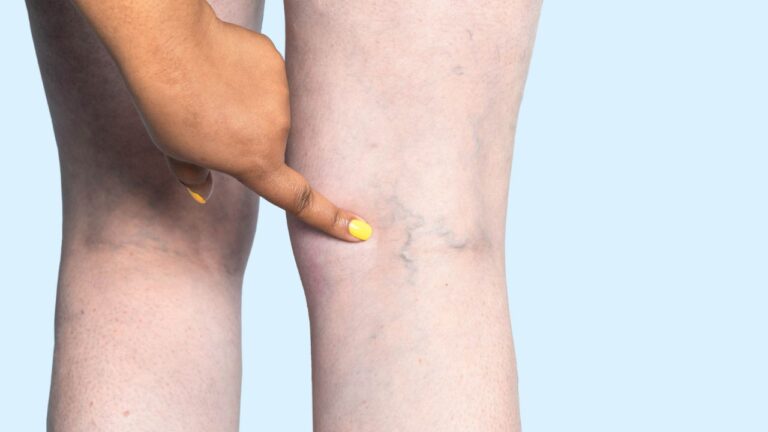
Laser vein therapy is a popular treatment for removing unsightly veins, especially spider veins and small varicose veins. People choose it because it is minimally invasive, safe, and effective. Unlike surgery, it doesn’t require large incisions or long recovery times.
However, like any medical procedure, laser vein therapy can cause side effects. Some are mild and temporary, while others, though rare, can be more serious. Understanding what to expect before your treatment can help you feel prepared and confident. This guide will cover the common, rare, and serious side effects, recovery tips, and how to reduce risks.
So let’s see the details of our expert guide-
What Is Laser Vein Therapy?
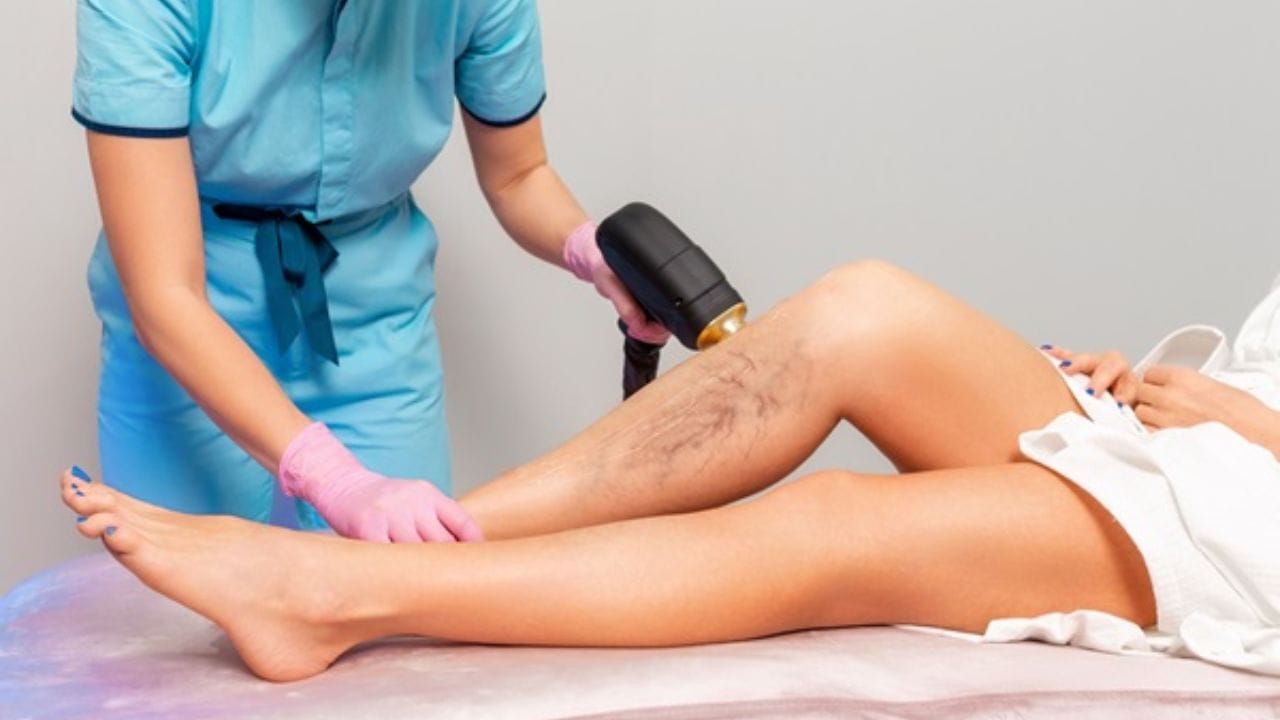
Laser vein therapy uses highly focused laser light to target and treat damaged veins. The laser produces heat that causes the vein to collapse, seal shut, and gradually be absorbed by the body, while the surrounding tissue remains largely unaffected, making the procedure precise and safe. The treatment is typically performed in a clinic and usually takes 15-45 minutes, depending on the number and size of veins being treated.
Local anesthesia or no anesthesia is commonly used, allowing patients to walk immediately after the procedure and resume their daily activities. Multiple sessions may be required to achieve the best results. Overall, laser therapy is considered one of the safest options for vein treatment due to its minimally invasive approach and quick recovery time.
However, it is most effective for:
- Spider veins: Thin red, blue, or purple veins visible on the legs, face, or thighs.
- Small varicose veins: Slightly raised veins that may cause mild discomfort or swelling.
- Cosmetic concerns: Veins that affect appearance but do not cause major health issues.
Common Laser Vein Therapy Side Effects
Most patients experience mild and temporary side effects after laser vein therapy, which are normal signs that the body is healing. These effects usually resolve on their own within a few days to a couple of weeks.
Common side effects include redness or irritation, where the skin may appear pink or flushed around the treated vein. Mild swelling or puffiness, especially in the legs. Minor bruising or small dark spots at the treatment sites. Mild discomfort or stinging, often felt as warmth or a pinch-like sensation during treatment. And temporary skin color changes, where treated areas may darken slightly before gradually fading.
Extra note: these effects can be more noticeable in patients with sensitive skin or when multiple veins are treated during a single session, but they generally remain mild and manageable.
1. Mild and Temporary Side Effects
Mild side effects are the most common and are generally easy to manage. They indicate the veins are healing and the body is responding to treatment.
- Redness: Usually fades within a few hours or days.
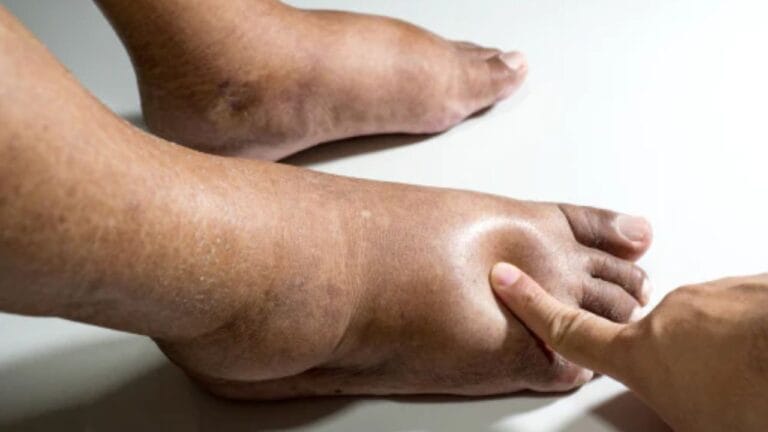
- Swelling: Light swelling may appear but can be reduced with gentle walking or elevation.
- Bruising: Small bruises typically disappear in 1-2 weeks.
- Discomfort or tenderness: Feels similar to mild muscle soreness; over-the-counter pain relief can help.
- Temporary skin discoloration: Slight darkening that gradually improves over weeks.
Tips to manage mild effects:
- Apply cool compresses to reduce redness and swelling.
- Avoid tight clothing over the treated area.
- Stay active with light movement to promote circulation.
Mild side effects are a normal part of recovery and should not cause alarm.
2. Rare but Serious Side Effects
Although rare, serious complications can occur and require medical attention. Knowing these helps you act quickly if something seems wrong.
- Infection: May occur if post-treatment care is not followed.
- Blood clots: Deep vein issues are very uncommon, but possible.
- Severe burns or blistering: Can result from excessive laser energy.
- Permanent skin discoloration: Rare cases may leave dark spots or patches.
- Nerve damage: Extremely rare, may cause prolonged numbness or tingling.
Prevention tips:
- Always choose a qualified, experienced provider.
- Follow all aftercare instructions carefully.
- Monitor the treated area and report any unusual symptoms immediately.
Who Is More Likely to Experience Side Effects?
Certain individuals may have a higher risk of experiencing side effects due to their skin type, medical history, or vein characteristics.
- Sensitive skin or pre-existing conditions: Conditions like eczema or psoriasis may increase redness or irritation.
- Larger or deeper veins: May require more laser energy, increasing the chance of mild bruising or discomfort.
- Medical conditions: Diabetes, clotting disorders, or vascular problems can affect healing.
- History of allergies or reactions: Allergic reactions to topical products or medications can increase side effects.
Tip: Your doctor should evaluate your medical history and skin type before recommending laser vein therapy to ensure it is safe for you.
Preparing for Laser Vein Therapy and Knowing When to Seek Treatment for Varicose Veins
Proper preparation and aftercare are essential for minimizing side effects and ensuring a smooth recovery after laser vein therapy. Before your procedure, it’s important to follow all pre-treatment instructions, such as avoiding sun exposure, certain medications, or topical creams that could irritate the skin.
If recommended by your doctor, wearing compression stockings can help reduce swelling and improve blood flow, while staying lightly active with gentle walks promotes circulation and lowers the risk of blood clots.
At the same time, it’s important to understand when to seek treatment for varicose veins. Varicose veins are not always dangerous, but persistent pain, swelling, heaviness, or discomfort in your legs may indicate the need for evaluation. Early consultation allows your doctor to recommend minimally invasive treatments, prevent progression, and improve both cosmetic and health outcomes.
During recovery, avoid hot baths, saunas, or strenuous exercise for a few days, monitor your body for unusual symptoms like severe pain, redness, or swelling, and maintain proper hydration and a healthy diet to support healing. By combining careful preparation with timely medical attention, you can achieve safer, more effective results and reduce the risk of complications.
Laser Vein Therapy Side Effects vs Other Treatments
When considering vein treatment options, it’s helpful to compare potential side effects and recovery experiences. Laser vein therapy is often preferred because it is minimally invasive and typically causes fewer complications than other common treatments. Understanding these differences can help you make an informed decision about the best option for your needs.
- Sclerotherapy: Injection-based therapy may cause more bruising, swelling, and occasional allergic reactions
- Surgical vein stripping: Involves incisions, longer recovery, and a higher risk of infection or scarring
- Radiofrequency ablation: Similar to laser therapy, but can cause more post-procedure soreness in some cases
Overall, laser therapy is preferred by many due to its safety, minimal downtime, and lower risk of severe side effects, making it a convenient choice for both cosmetic and mild medical vein concerns.
Recovery and Healing Timeline
Recovery is usually fast, and most patients can resume normal activities immediately.
- Immediately after treatment, Patients can walk and perform daily tasks.
- 1-2 days: Mild redness, tenderness, or swelling may appear.
- 1-2 weeks: Bruising and temporary skin discoloration fade.
- 2-6 weeks: Treated veins begin to disappear; skin looks smoother.
- Several months: Full results are visible as the body fully absorbs treated veins.
Tips for smooth recovery:
- Elevate legs while resting to reduce swelling.
- Avoid prolonged standing for the first few days.
- Follow your doctor’s specific post-care instructions carefully.
When to Worry About Varicose Veins Treatment and Laser Vein Therapy Side Effects?
Most varicose veins are mild and often manageable, but it’s important to recognize when symptoms signal a more serious problem. Likewise, while laser vein therapy side effects are generally mild and temporary, certain warning signs should not be ignored. Sudden leg pain, bleeding veins, ulcers, significant swelling, or persistent redness and severe discomfort may indicate complications that require immediate medical attention.
So, knowing when to worry about varicose veins treatment helps you distinguish between normal post-treatment effects and serious issues that need urgent care. Acting promptly can prevent infections, blood clots, or other complications, ensuring safer and more effective treatment results while giving you peace of mind during recovery.
When to Call a Doctor?
Most side effects after laser vein therapy are mild and temporary, but it’s important to know when to seek medical attention. If you experience severe pain, swelling, or tenderness, or notice signs of infection such as redness, warmth, or pus, you should contact your doctor immediately. Sudden leg pain, blood clots, persistent bruising, blistering, unusual skin changes, or numbness and tingling that does not improve are also warning signs that require prompt evaluation.
For professional guidance and care, you can consult Dr. Rema Malik, who is experienced in managing laser vein therapy and related complications. Early intervention ensures safe healing, prevents further issues, and helps you achieve the best possible results.
Final Thoughts
Laser vein therapy is a safe, effective, and convenient option for treating spider veins and small varicose veins. Most side effects are mild, temporary, and easy to manage. By understanding the potential risks, following your doctor’s aftercare instructions carefully, and paying attention to how your body heals, you can enjoy smoother, healthier-looking skin with minimal complications.
Remember, taking care of yourself before and after the procedure plays a big role in achieving the best results. Stay consistent with your care routine, listen to your body, and don’t hesitate to reach out to your doctor if you notice anything unusual.
Wishing you a smooth recovery and the best possible results with your laser vein therapy!
FAQs
Does laser vein therapy hurt?
Many patients wonder if laser vein therapy is painful. Most people experience only mild discomfort, often described as a small sting, pinch, or warming sensation. The treatment is generally well-tolerated and does not require general anesthesia.
How long do side effects last?
Mild side effects like redness, swelling, or minor bruising are common after laser vein therapy. For most patients, these effects gradually improve and disappear within a few days to two weeks, depending on skin type and the number of veins treated.
Can laser therapy be repeated?
Laser vein therapy can be performed multiple times if needed. Many patients require more than one session to achieve the best results, especially when treating larger areas or multiple veins. Sessions are usually spaced several weeks apart.
Are serious complications common?
Serious complications from laser vein therapy are extremely rare when performed by a trained and experienced professional. Most patients experience only mild, temporary side effects, making the treatment generally safe and highly effective for cosmetic vein concerns.
References
- American Society for Dermatologic Surgery
- Mayo Clinic: Varicose Veins and Laser Treatments
- Journal of Vascular Surgery