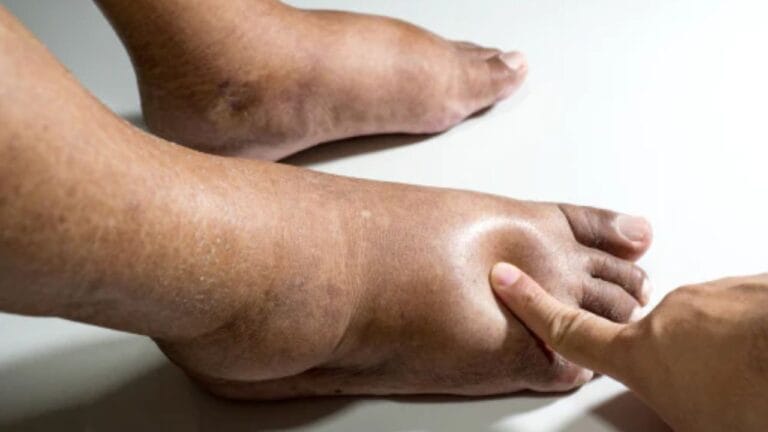
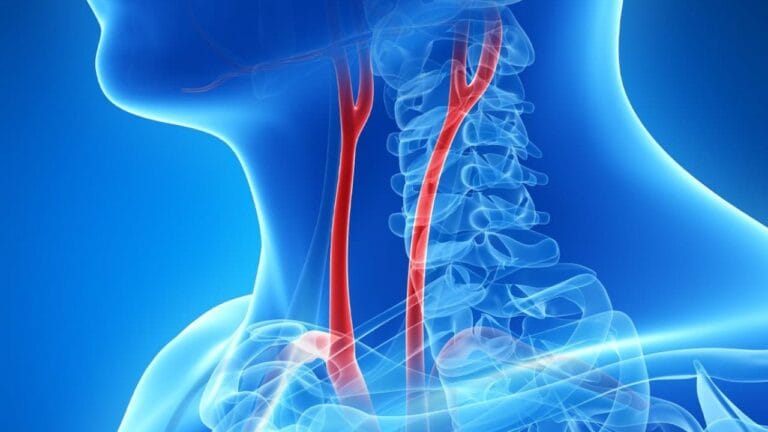
Maya had always been self-conscious about the web of tiny veins showing on her legs. She wanted to wear dresses comfortably, but every summer trip to the beach made her nerves tingle. Her doctor explained Sclerotherapy vs Laser Therapy for Spider Veins: Which Treatment Is Best?, and she felt a spark of hope finally, a way to safely reduce those veins. With curiosity and excitement, she began exploring her options and learning what each treatment could offer.
Welcome to your guide on understanding spider vein treatments!
What Are Spider Veins?
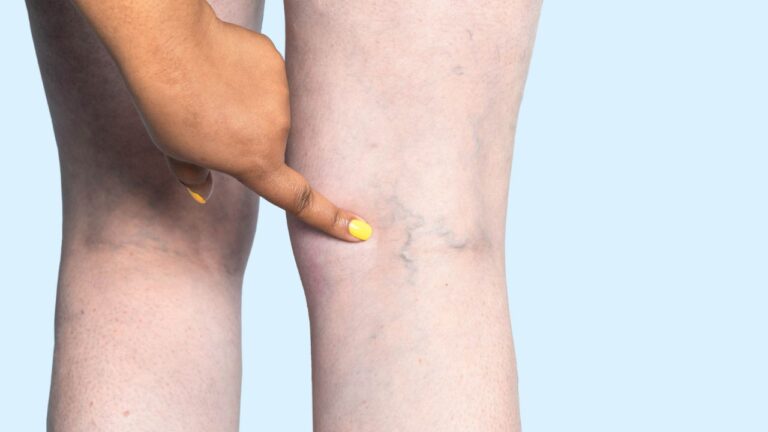
Spider veins are small, thin veins that appear near the surface of the skin, often red, blue, or purple. They’re usually harmless but can affect confidence and, sometimes, cause minor discomfort like itching or burning.
Key Feature:
- Typically appear on the legs and face.
- Small, twisted, and visible near the skin surface.
- It can result from genetics, aging, pregnancy, or sun exposure.
- Usually painless but may cause mild discomfort.
- Different from varicose veins, which are larger and more pronounced.
What Is Sclerotherapy?
Sclerotherapy is a minimally invasive treatment designed to reduce or eliminate spider veins. It involves injecting a special solution, called a sclerosant, directly into the affected veins. This solution irritates the vein walls, causing them to collapse and eventually be reabsorbed by the body. Over time, blood flow is naturally rerouted to healthier veins, leaving the skin looking smoother and more even.
How Sclerotherapy Works
While spider vein treatments focus on improving superficial circulation, proper management of deeper vascular issues is crucial. Patients with a history of Pulmonary Embolism (PE) Treatment should inform their provider, as it may influence post-procedure care. However The process is straightforward but highly effective:
- Injection of Sclerosant Solution: A trained provider injects a small amount of sclerosant directly into the spider vein.
- Vein Collapse and Reabsorption: The solution irritates the vein lining, causing the vein to shrink and fade as the body gradually absorbs it.
- Typical Session Duration: Most sessions last between 15 to 45 minutes, depending on the number and size of veins being treated.
Ideal Candidates for Sclerotherapy
Sclerotherapy is best suited for individuals who want to treat cosmetic spider veins or small reticular veins on the legs. Ideal candidates include:
- Patients with small to medium-sized leg veins.
- Individuals without certain allergies to the sclerosant solution.
- Patients with healthy circulation, as certain circulation issues can limit effectiveness.
Sclerotherapy Benefits
This treatment offers a range of advantages for those looking to reduce spider veins:
- High Effectiveness Rate: Most patients see noticeable improvement after just a few sessions.
- Minimal Downtime: Patients can usually return to normal activities immediately, making it convenient for busy lifestyles.
- Works Well for Leg Spider Veins: Particularly effective for veins that are visible but not large enough to require more invasive procedures.
Sclerotherapy Risks and Side Effects
While generally safe, Sclerotherapy may cause some temporary effects:
- Bruising: Mild bruising around the injection site is common and usually fades in a few days.
- Hyperpigmentation: Some veins may appear darker temporarily before fading.
- Mild Discomfort: Slight stinging or cramping during injection can occur but is usually brief.
What Is Laser Therapy?
Laser therapy is a noninvasive treatment that uses focused light energy to target and fade spider veins, especially those close to the skin’s surface. Unlike sclerotherapy, it doesn’t involve needles or injections. The laser heats the vein, causing it to collapse and gradually be absorbed by the body. Blood flow naturally redirects to deeper, healthier veins, leaving the treated area smoother and clearer.
How Laser Therapy Works
Laser therapy works through precision light energy that specifically targets tiny superficial veins:
- Focused Light Energy: The laser emits concentrated light that is absorbed by the hemoglobin in the veins, causing them to collapse.
- Noninvasive Procedure: No injections or surgical incisions are needed, making it ideal for patients wary of needles.
- Recommended Session Frequency: Most patients require 2-6 sessions spaced several weeks apart, depending on the number and size of veins.
Ideal Candidates for Laser Therapy
Laser therapy is minimally invasive and safe for most patients. However, individuals who have undergone Hemodialysis Access (AV Fistula/Graft Creation) need special consideration to avoid compromising existing vascular access.
So, Laser therapy is particularly suitable for:
- Individuals with small facial or leg spider veins
- Patients who prefer a needle-free procedure
- Those with healthy skin and no major circulation issues
Laser Therapy Benefits
Laser therapy offers several advantages:
- Precise Targeting: Excellent for treating very tiny veins that are hard to inject.
- No Injections Required: Noninvasive and generally painless.
- Quick Treatment Time: Sessions typically take 15-30 minutes, depending on the area treated.
Laser Therapy Risks and Side Effects
Though safe for most, laser therapy can have temporary side effects:
- Skin Redness: Mild redness around treated areas, usually lasting a few hours to a day.
- Temporary Swelling: Slight swelling can occur but generally resolves quickly.
- Pigmentation Changes: Darker skin tones may experience temporary hyperpigmentation or lightening in the treated area.
Sclerotherapy vs Laser Therapy: Key Differences
When it comes to treating spider veins, both sclerotherapy and laser therapy are widely used and effective, but they serve slightly different purposes. Sclerotherapy works best for medium to large leg veins by injecting a sclerosant solution that closes the vein from the inside.
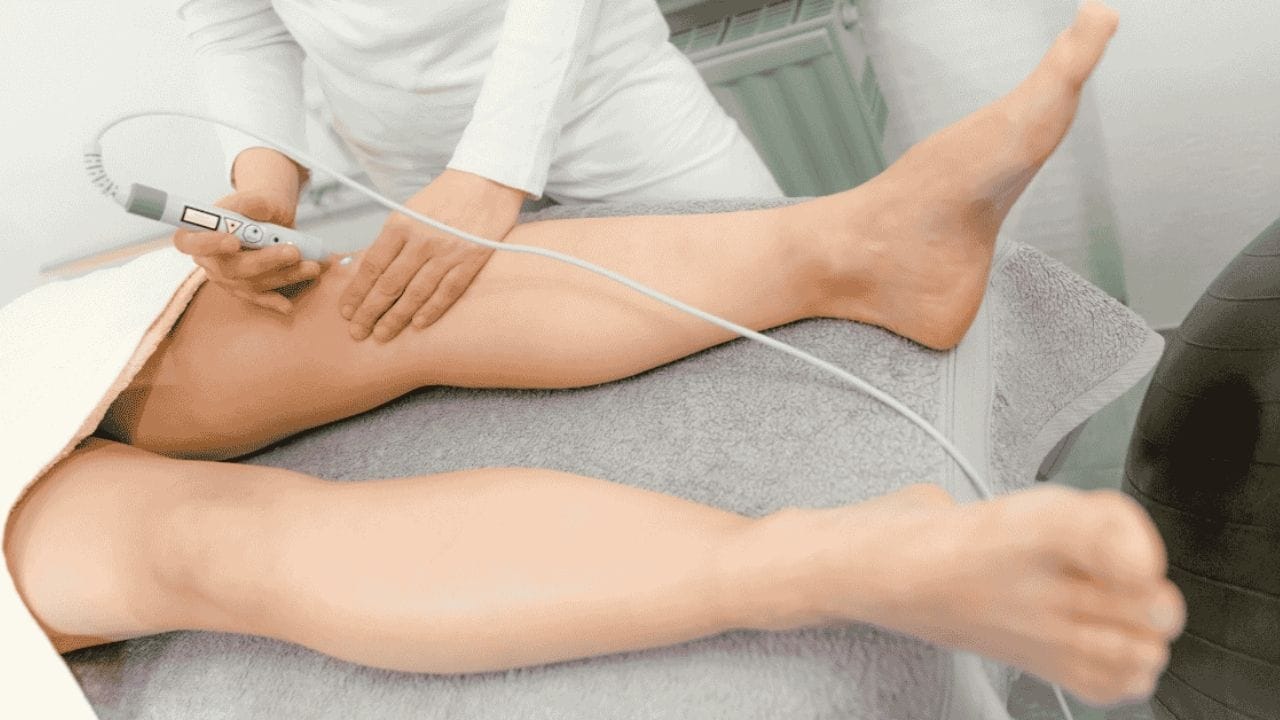
Laser therapy, on the other hand, is noninvasive and uses focused light energy to target very small veins, especially on the face, without needles. Each method has its own benefits, session requirements, costs, and potential side effects, making it important to choose the right approach based on your vein size, location, and personal preference.
Sclerotherapy vs Laser Therapy: Key Comparison Points
- Effectiveness:
- Sclerotherapy → More effective for medium to large leg veins.
- Laser Therapy → Best for tiny veins, particularly on the face.
- Treatment Experience:
- Sclerotherapy → Involves injections; may cause brief stinging or cramping.
- Laser Therapy → Noninvasive, needle-free; may feel mild heat or tingling.
- Number of Sessions Required:
- Sclerotherapy → Typically 1–3 sessions.
- Laser Therapy → Usually 2-4+ sessions, depending on vein size.
- Cost:
- Sclerotherapy → Generally lower per session.
- Laser Therapy → Can be higher due to equipment and multiple treatments.
- Longevity of Results:
- Both treatments provide long-lasting results; occasional maintenance may be needed as new veins appear.
Which Treatment Is Better for Different Body Areas?
Choosing between sclerotherapy and laser therapy often depends on the area of the body being treated. Some areas have more delicate skin or smaller veins, while others may have larger veins that respond better to injections. Understanding which treatment works best for specific body parts can help you achieve optimal results with minimal discomfort.
Treatment Recommendations by Body Area:
- Face: Laser therapy is preferred for delicate facial skin and tiny veins, as it is noninvasive and needle-free.
- Legs: Sclerotherapy is usually the most effective option for medium to larger veins on the legs, providing faster and more noticeable results.
- Ankles and Feet: Both sclerotherapy and laser therapy can be effective depending on vein size and location; your provider can recommend the best method.
How To Choose Between Sclerotherapy and Laser Therapy
Deciding between sclerotherapy and laser therapy depends on several factors unique to each patient. Vein size, location, and visibility play a major role here. As larger veins generally respond better to sclerotherapy, while very small or facial veins are ideal for laser therapy. Skin type is also important, since laser therapy may pose a higher risk of pigmentation changes on darker skin tones.
Personal pain tolerance and comfort with injections versus a needle-free approach should be considered. Finally, the budget and the number of sessions required can influence the choice. Ultimately, your doctor’s assessment and recommendation help ensure the safest and most effective treatment plan for your needs.
Factors to Consider:
- Vein Size: Larger veins → sclerotherapy; tiny veins → laser therapy.
- Skin Type: Darker or sensitive skin may influence laser safety and effectiveness.
- Pain Tolerance: Sclerotherapy involves injections; laser is needle-free but may feel warm.
- Budget: Sclerotherapy usually costs less per session; laser may require multiple sessions.
- Doctor’s Assessment: Professional evaluation ensures the best treatment choice and optimal results.
When Sclerotherapy Is the Better Choice
Sclerotherapy is often the go-to treatment for spider veins on the legs, especially when the veins are medium-sized or larger. The injection-based method allows the sclerosant solution to directly close the veins, providing noticeable results in fewer sessions.
It’s also a cost-effective option for patients who want significant improvement without multiple expensive treatments. Sclerotherapy works best when the veins are easy to access and when patients are comfortable with injections.
For patients with underlying vascular conditions, such as Aortic, Peripheral, and Visceral Aneurysm, consultation with a specialist like Dr. Rema Malik is recommended before pursuing cosmetic vein procedures.
Key Points of focus here:
- Ideal for medium to large leg spider veins.
- Cost-effective compared to multiple laser sessions.
- Effective for legs with visible vein clusters.
When Laser Therapy Is the Better Choice?
Laser therapy is often preferred for delicate areas, such as the face, or for very small, superficial veins that are difficult to inject. Since it’s noninvasive, patients who are needle-averse often choose this method. Laser therapy uses focused light to close the vein without puncturing the skin, reducing bruising and downtime. It’s particularly useful when precision is needed on sensitive skin or when treating tiny veins that don’t respond well to sclerotherapy.
Key Points to focus here:
- Best for facial spider veins or tiny veins.
- Needle-free, noninvasive procedure.
- Minimal bruising and faster recovery for delicate areas.
FAQ
Is Sclerotherapy More Effective Than Laser?
Sclerotherapy is generally more effective for medium to large leg veins, while laser therapy works best for very small veins, especially on the face. The choice depends on vein size, location, and your provider’s recommendation.
Is Laser Therapy More Painful Than Sclerotherapy?
Laser therapy is usually needle-free but can cause a mild warming or tingling sensation. Sclerotherapy involves injections, which may sting briefly. Pain levels vary by individual and treatment area.
How Long Do Spider Vein Treatments Last?
Both treatments provide long-lasting results. However, new spider veins can develop over time. Maintenance sessions may be needed to keep legs smooth and vein-free.
Can You Combine Sclerotherapy and Laser?
Yes! Some patients benefit from a combination approach sclerotherapy for larger leg veins. And also get benefits from laser therapy for tiny veins or delicate areas to achieve optimal results.
Conclusion
Choosing the right treatment depends on your veins, skin, and comfort level. So, the concern is, Sclerotherapy vs Laser Therapy for Spider Veins: Which Treatment Is Best? The answer is pretty focusive! Both can work well, but sclerotherapy is usually best for medium to large leg veins, while laser therapy works for small or facial veins. Some patients even combine both for optimal results.
Follow your doctor’s advice, take care of your legs, and enjoy smoother, healthier skin.
Reference:
- Gloviczki, P., Comerota, A. J., Dalsing, M. C., et al. The care of patients with varicose veins and associated chronic venous diseases: clinical practice guidelines of the Society for Vascular Surgery and the American Venous Forum. J Vasc Surg. 2011;53(5 Suppl):2S-48S.
- Rautio, T., et al. Endovenous Laser Ablation of Varicose Veins: A Review of the Evidence. 2002;17(3):99-106.
- Kheirelseid, E. A., et al. Radiofrequency Ablation versus Endovenous Laser Therapy for Varicose Veins: Systematic Review and Meta-Analysis. Ann Vasc Surg. 2018;49:234-245.
- American Vein & Lymphatic Society (AVLS). Varicose Veins: Diagnosis, Treatment, and Insurance Coverage Guidelines.