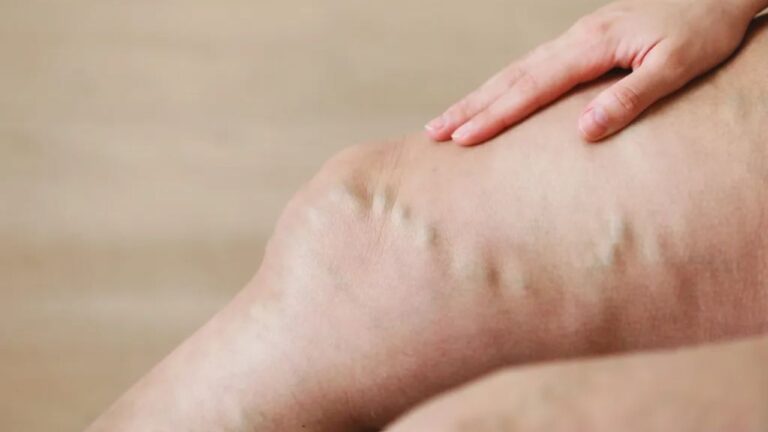
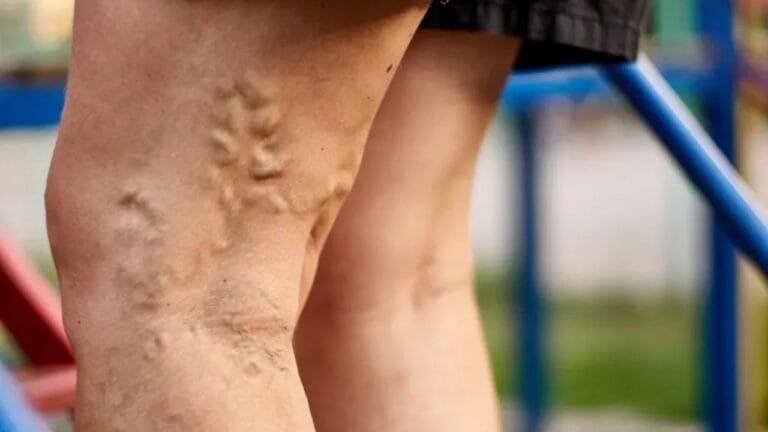
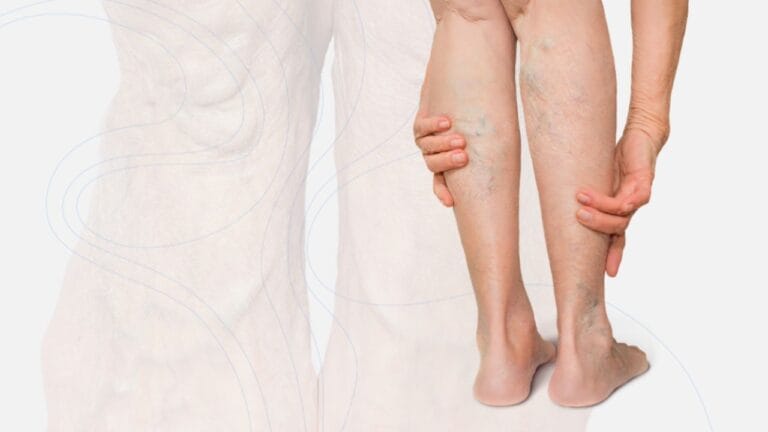
Varicose veins in the legs are not just a cosmetic concern; they can cause heaviness, pain, swelling, and fatigue. Okay, so what is the best treatment for varicose veins in the legs?
The truth is, there isn’t a one-size-fits-all solution. The best treatment depends on vein size, severity, symptoms, and your lifestyle. Today’s modern options are safe, minimally invasive, and highly effective. Understanding each procedure, recovery expectations, and signs that need medical attention can help you make the right decision confidently.
Let’s stop the ado and dive into an in-depth discussion-
What are a Varicose Veins?
Varicose veins occur when the valves in your veins fail to function properly, causing blood to pool in the legs. This leads to discomfort, visible veins, and, in more severe cases, skin changes or ulcers. Early evaluation is important to prevent progression and manage symptoms effectively.
Common symptoms include:
- Bulging twisted veins are visible under the skin.
- Heaviness, fatigue, or aching in the legs.
- Swelling, itching, or mild pain.
- Skin discoloration, sores, or ulcers in advanced cases.
Vascular Ultrasound Evaluation
Before deciding on the best treatment for varicose veins in the legs, a Vascular Ultrasound Evaluation is a game-changer. This painless, non-invasive test provides a detailed roadmap of your venous system, allowing your doctor to see exactly which veins are affected and how they function. It ensures that your treatment is precise, safe, and tailored to your unique vein anatomy.
Benefits of Vascular Ultrasound Evaluation:
- Complete vein mapping: Visualizes both superficial and deep veins for accurate diagnosis.
- Valve assessment: Detects blood reflux or malfunctioning valves that cause varicose veins.
- Customized treatment plan: Guides minimally invasive procedures like EVLT, RFA, sclerotherapy, or micro phlebectomy.
- Long-term monitoring: Tracks treated veins post-procedure to prevent recurrence and complications.
By combining symptom evaluation with a detailed vascular ultrasound, your doctor can choose the most effective treatment option while reducing risks and improving long-term results.
What is the Best Treatment for Varicose Veins in the Legs?
Varicose veins are swollen, twisted veins often seen in the legs. They can cause discomfort, heaviness, swelling, and sometimes skin changes. Choosing the best treatment depends on the severity of the veins, symptoms, and your overall health. Modern treatments focus on safety, minimal invasiveness, and long-term effectiveness.
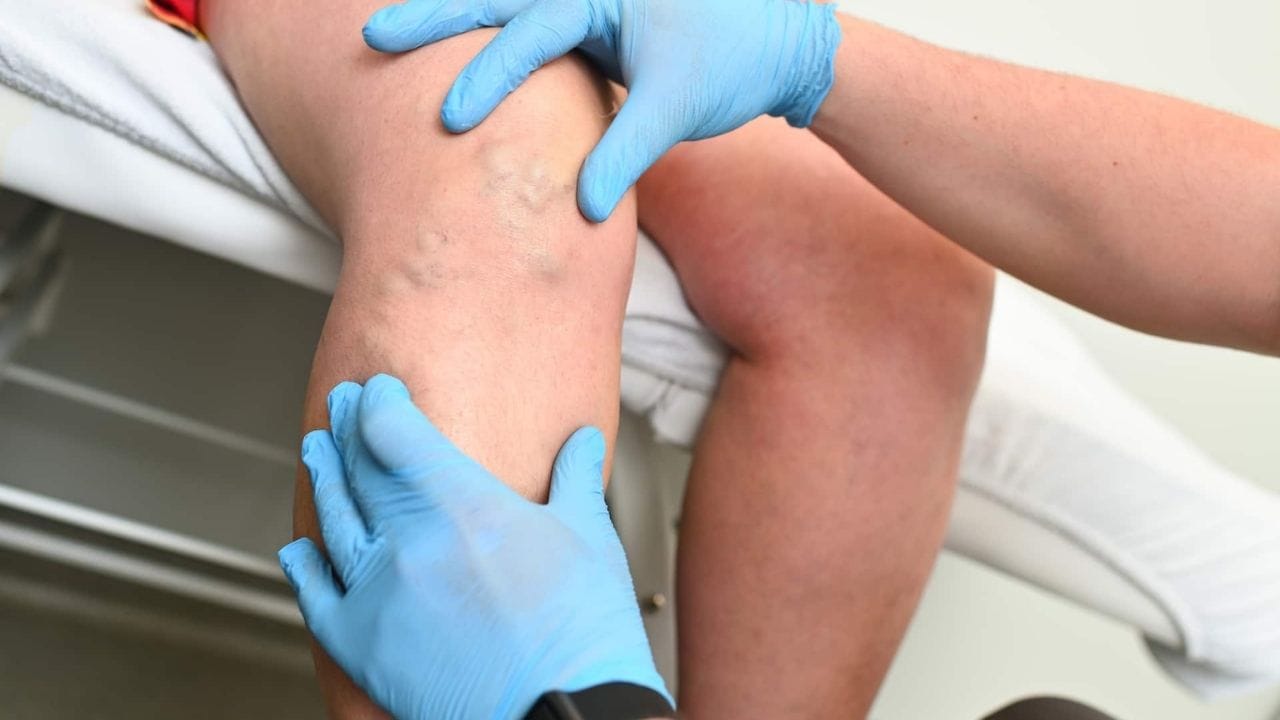
A combination of medical interventions and lifestyle changes often provides the best results. Understanding the options helps you make an informed choice.
However, here are the options for varicose veins treatment (varicose veins in the legs)-
1. Conservative Treatments
For mild cases of varicose veins, non-invasive approaches can relieve symptoms and prevent progression. These methods are usually the first step before considering surgical options.
- Compression Stockings: Promote proper blood flow, reduce swelling, and relieve heaviness.
- Lifestyle Changes: Regular walking, elevating the legs, avoiding prolonged sitting or standing, and maintaining a healthy weight.
- Medications: Certain vagotonic drugs can help reduce discomfort and swelling.
However, these treatments manage symptoms but do not remove the veins.
2. Minimally Invasive Procedures
For moderate to severe varicose veins, minimally invasive procedures are the preferred treatment due to high effectiveness, low pain, and quick recovery.
Endogenous Laser Therapy (EVLT)
This procedure uses laser energy to seal off damaged veins. It is performed under local anesthesia, is minimally painful, and allows patients to resume activities within a day or two.
- Precise closure of faulty veins.
- Minimally invasive with tiny punctures.
- Short recovery period.
- Low risk of bruising or complications.
Radiofrequency Ablation (RFA)
RFA uses controlled heat to close affected veins. Like EVLT, it is done under local anesthesia and is highly effective for larger veins.
- Gentle and low-pain procedure.
- Quick recovery.
- Long-lasting results.
- Less bruising than traditional surgery.
Sclerotherapy
This involves injecting a special solution into smaller varicose or spider veins. The veins gradually shrink and disappear over time.
- Ideal for smaller veins and cosmetic concerns.
- Mild discomfort during injections.
- Multiple sessions may be needed.
- Non-surgical and quick.
Micro phlebectomy
Micro phlebectomy removes bulging veins through tiny incisions. Local anesthesia makes the procedure nearly painless.
- Effective for large, visible veins.
- Minimal scarring.
- Immediate cosmetic improvement.
- Slight soreness or bruising for a few days.
3. Surgical Options
Surgery is rarely needed today thanks to minimally invasive methods. However, for extensive vein disease or cases not responding to other treatments, vein stripping or ligation may be considered.
- General or local anesthesia may be used.
- Longer recovery time.
- More invasive but effective for severe cases.
When to See the Doctor?
Even if your varicose veins are mild, it’s important to know when professional care is needed. Early evaluation prevents complications and ensures the right treatment at the right time.
You should consult with the vascular surgeon if you notice:
- Persistent pain, heaviness, or swelling in the legs.
- Skin changes, discoloration, or ulcers near the veins.
- Bleeding from veins or sudden, unexplained swelling.
- Rapidly bulging veins or sudden changes in appearance.
- Itching, burning, or irritation around the veins.
Early consultation helps your doctor recommend the safest and most effective treatment while reducing long-term risks.
After-Treatment Complications of Varicose Vein Treatment Procedures
While modern varicose vein treatments such as EVLT, RFA, sclerotherapy, and micro phlebectomy are generally safe and minimally invasive, some patients may experience mild complications or side effects after treatment. These are usually temporary and manageable but understanding them helps you prepare and respond appropriately.
Most side effects are minor and improve on their own within a few days to weeks. Serious complications are rare, especially when procedures are performed by experienced vascular specialists like Houston Vascular Surgeon Dr. Rema Malik. Being aware of potential issues ensures you know when to seek medical attention.
Common Minor Complications
- Bruising and Discoloration: Temporary bruising around the treated area is normal and typically fades within 1-2 weeks.
- Swelling or Tightness: Mild swelling or tightness in the legs can occur after procedures, especially EVLT or RFA.
- Soreness or Pain: Mild tenderness or discomfort may persist for a few days but usually resolves with rest and over-the-counter pain relief.
- Skin Irritation or Redness: Slight redness, itching, or irritation around injection or incision sites is common and usually short-lived.
- Temporary Numbness or Tingling: Minor nerve irritation may cause temporary tingling, which generally improves over time.
Less Common but Serious Complications
Although rare, some complications require immediate medical attention:
- Blood Clots (Deep Vein Thrombosis, DVT): A serious but uncommon risk, presenting as significant swelling, pain, or warmth in the leg.
- Infection: Signs include persistent redness, fever, or discharge at the treatment site.
- Vein Recurrence or Reopening: In some cases, treated veins may reopen, requiring additional treatment.
- Allergic Reaction: Rare reactions to sclerosant injections or anesthesia may occur, presenting as rash, itching, or breathing difficulty.
How to Minimize Risks
To minimize risks after varicose vein treatment, it’s important to follow your doctor’s aftercare instructions carefully. Wearing compression stockings as advised helps improve circulation and reduce swelling. Walking regularly prevents blood from pooling and lowers the risk of clots. Avoid heavy lifting or prolonged standing or sitting during the initial recovery period. Additionally, report any unusual symptoms immediately to your vascular specialist to ensure prompt evaluation and care.
Recovery and Aftercare
Proper recovery ensures lasting results and reduces the chance of recurrence. Most minimally invasive procedures allow patients to return to normal activities quickly.
- Wear compression stockings as advised.
- Walk regularly to improve circulation.
- Elevate your legs to reduce swelling.
- Avoid prolonged sitting or heavy lifting for a few days.
- Stay hydrated and maintain healthy lifestyle habits.
FAQ
What is the most effective treatment for varicose veins in legs?
Minimally invasive procedures like EVLT, RFA, and micro phlebectomy are considered the most effective with long-term results.
Can varicose veins go away completely?
Treated veins collapse and are gradually absorbed. New veins may form, so ongoing care is important.
Is surgery always required?
No. Mild varicose veins can often be managed with lifestyle changes and non-surgical methods.
How long is the recovery period?
Most patients resume normal activity within 24-48 hours, with minor soreness improving in a few days.
Conclusion
The best treatment for varicose veins in legs depends on vein size, symptoms, and overall health. Minimally invasive procedures like EVLT, RFA, and micro phlebectomy are highly effective, safe, and offer quick recovery. Combining these treatments with lifestyle measures ensures long-term vein health and improved quality of life.
Early consultation with a vascular specialist guarantees the safest and most precise care.