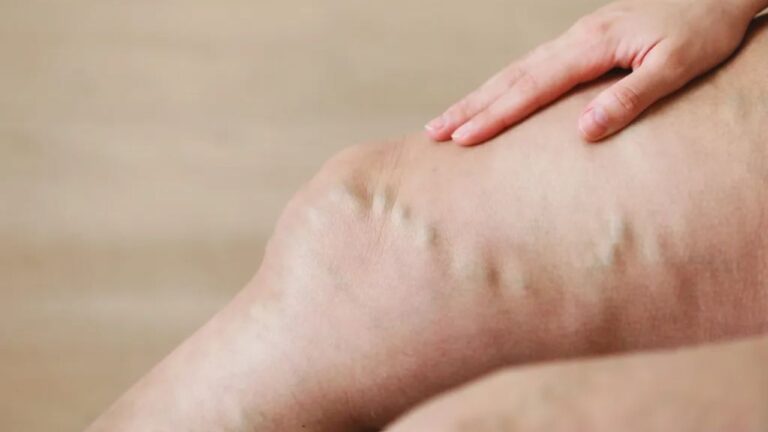
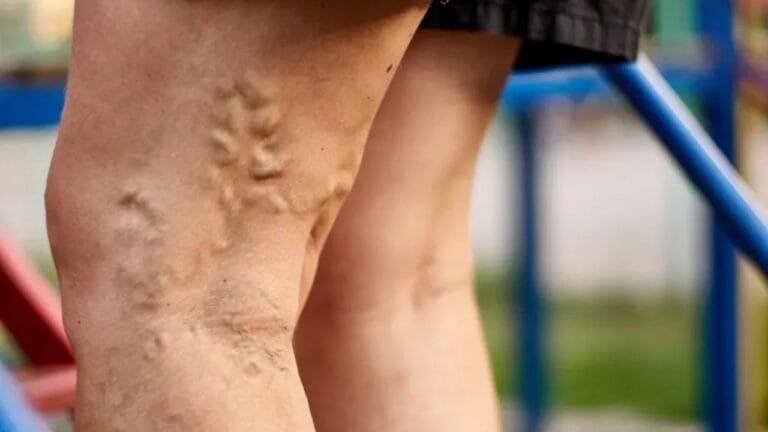
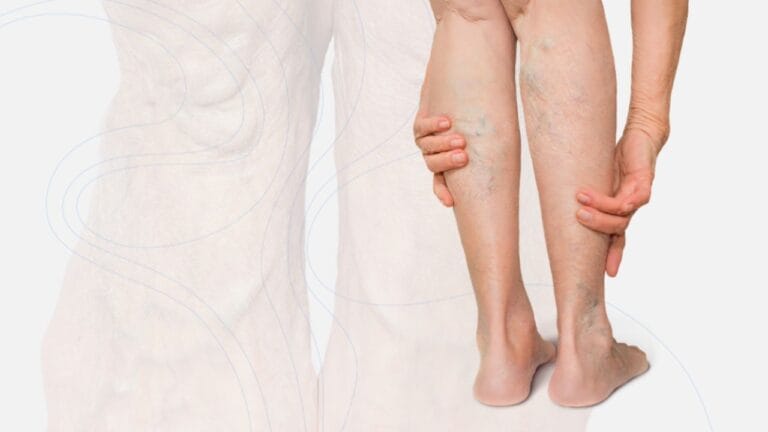
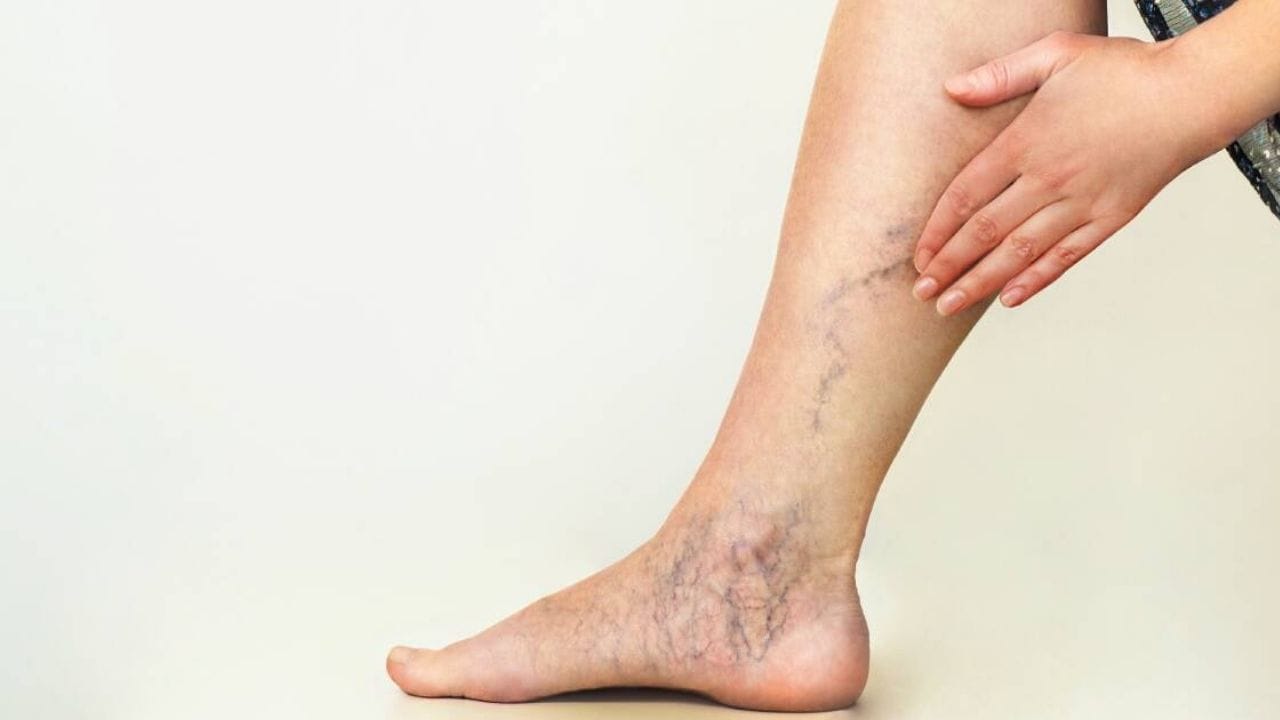
Varicose veins are enlarged, twisted veins often seen on the legs that develop when the valves inside a vein weaken and fail to push blood back toward the heart. For many people, it starts as a mild cosmetic concern. But over time, they can become painful, uncomfortable, and even medically serious.
So the key question is: When should you seek treatment for varicose veins?
So, understanding the early signs, risk factors, and symptoms can help you take action before complications arise. Below is a complete, easy-to-understand guide that explains when to seek treatment, what symptoms to look for, and why early evaluation matters.
Let’s read us here-
When to Seek Treatment for Varicose Veins?
Seeking treatment at the right time can prevent pain, skin damage, and long-term complications. Varicose veins may start as a small cosmetic issue, but when symptoms progress, they often signal underlying venous insufficiency. Recognizing these warning signs early can help you avoid more serious problems.
1. When You Have Persistent Pain or Discomfort
If your legs consistently feel achy, throbbing, heavy, burning, or overly tired after standing, it’s a sign that blood is pooling inside weakened veins. These sensations occur because damaged valves increase venous pressure, causing inflammation and discomfort. Painful varicose veins rarely improve without treatment—they usually get worse over time.
Common symptoms:
- Achy or heavy legs.
- Throbbing or burning sensation.
- Discomfort after long standing.
- Tiredness in the legs.
If you ever wonder, “Why does my varicose vein hurt?”, it’s usually due to pressure buildup, inflammation, or impaired blood flow, strong reasons to seek proper evaluation.
2. When You Notice Swelling in Your Legs or Ankles
Swelling around the ankles or lower legs, especially at the end of the da,y is a classic sign of chronic venous insufficiency. It develops when blood is unable to move upward efficiently, causing fluid to accumulate in surrounding tissues. If swelling becomes a daily pattern or is accompanied by tightness, heaviness, or warmth, medical treatment is strongly recommended.
Signs include:
- Puffiness around ankles,
- Tight skin,
- Swelling that worsens in the evening,
3. When Skin Changes Appear Around Your Veins
Untreated varicose veins can eventually damage the skin, which is an indication that the condition has progressed. Look for symptoms such as darkening of the skin, red or brown patches, thick, leathery skin, or itchiness around the ankles. These are early signs of venous eczema or lip dermatosclerosis and require timely medical attention.
Watch for:
- Dry or flaky skin.
- Irritated or itchy patches.
- Hard, thickened skin.
4. When You Experience Night Cramps or Restlessness
Nighttime leg cramps or restlessness occur because the veins are struggling to circulate blood properly. A “heavy-leg feeling” that interferes with sleep is a common symptom of venous insufficiency. If these nighttime symptoms become frequent, your veins need evaluation before the condition worsens.
Symptoms can include:
- Sudden cramps.
- Restless leg sensation.
- Disrupted sleep patterns.
5. When Your Varicose Veins Suddenly Worsen or Grow Rapidly
A quick increase in vein size, new bulging veins, or rapid visible changes indicate worsening venous pressure. Rapidly progressing varicose veins should always be checked by a vascular specialist, as they can lead to inflammation, phlebitis, or even clot formation.
Typical warning signs:
- New bulging veins.
- Rapid enlargement.
- Increasing pressure or heaviness.
6. When You Have Skin Ulcers or Non-Healing Wounds
Venous ulcers are one of the most serious complications of long-standing, untreated varicose veins. These open sores usually appear near the ankles and can take months to heal without the right treatment. If you notice a wound that doesn’t heal or keeps oozing, seek medical help immediately.
Symptoms of venous ulcers:
- Shallow, non-healing wounds.
- Skin breakdown.
- Oozing or fluid discharge.
- Redness or tenderness.
7. When You Experience Bleeding or Hard Veins
Varicose veins close to the skin surface can rupture easily, sometimes even from a small bump. If a vein suddenly bleeds or becomes hard, painful, or warm, it may indicate inflammation or superficial thrombophlebitis. Both conditions require urgent evaluation.
Take action if you notice:
- Sudden bleeding.
- Hard or warm veins.
- Painful lumps under the skin.
When to See a Doctor?
You should seek professional help if any of the symptoms above appear, worsen, or begin affecting your daily life. A vascular specialist can assess whether your condition is mild, moderate, or severe, and recommend the right treatment before complications develop.
Seek medical help immediately if you notice:
- Persistent heaviness, swelling, or pain.
- Skin discoloration or hardening.
- Rapidly enlarging or throbbing veins.
- Bleeding, inflammation, or visible sores.
- Sudden pain or warmth in a vein (possible clot).
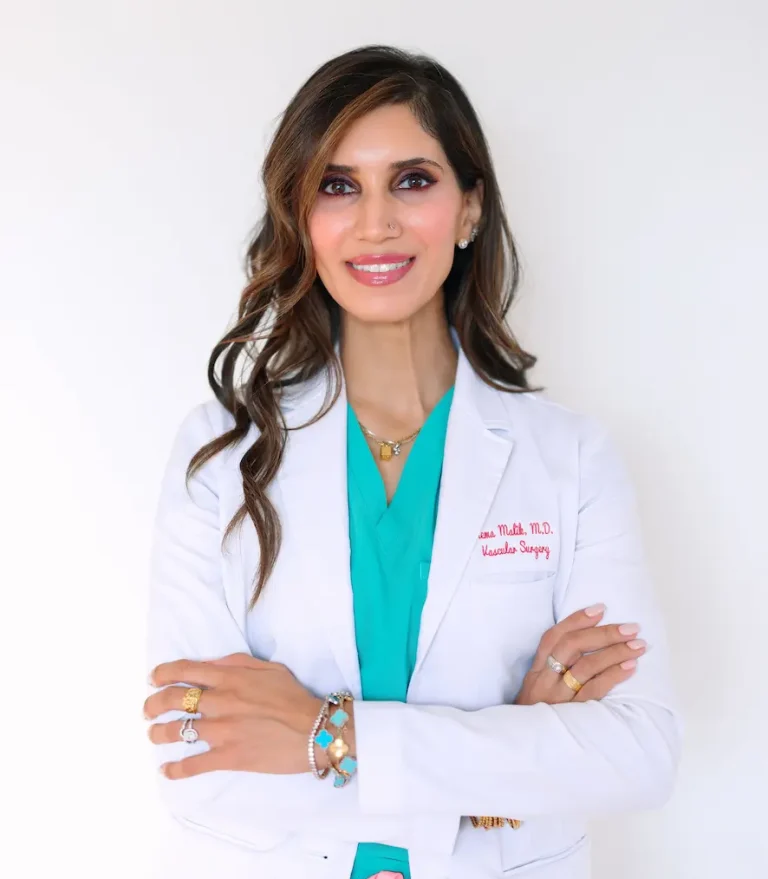
For expert assessment and personalized treatment options, consider consulting Houston vascular surgeon, Dr. Rema Malik, who specializes in minimally invasive vein treatments designed to relieve pain and improve long-term circulation.
Available Treatment Options
If you’re dealing with varicose veins, the good news is that today’s treatments are gentle, safe, and easier than ever. Most procedures are done in-office, and you’ll be up and moving shortly after. Here’s what your doctor might suggest, explained in a simple, comforting way:
Sclerotherapy
This is one of the most common treatments. Your doctor injects a small amount of solution into the problem vein, and over time, the vein simply fades away.
- Works great for smaller and medium-sized veins.
- Quick, simple, and usually painless.
- You may need more than one session, depending on your veins.
Laser Treatment (EVLA/EVLT)
Think of this as gently closing the bad vein from the inside. A tiny laser fiber is placed in the vein, and heat seals it shut.
- Ideal for larger veins.
- Done with local numbing, so you stay comfortable.
- Most people return to their routine the same day.
Radiofrequency Ablation (RFA)
This treatment also uses heat, but it comes from radiofrequency energy instead of a laser.
- Very comfortable and controlled.
- Great for people who want a quick recovery.
- Known to provide long-lasting relief.
Ambulatory Phlebectomy
If you have big, bulging veins that bother you, this option removes them through tiny micro-incisions.
- The cuts are so small that scarring is minimal.
- You can see results almost immediately.
- Perfect for veins that can’t be treated with laser or RFA.
Compression Stockings
These aren’t a cure, but they can make your legs feel lighter and less swollen.
- Help improve blood flow.
- Often recommended before and after procedures.
- Useful for daily comfort, especially if you stand a lot.
Lifestyle Adjustments
Simple habits can make a big difference in how your legs feel:
- Raise/expand your legs whenever you can.
- Avoid standing or sitting too long at a stretch.
- Maintain a healthy weight to reduce pressure on your veins.
- Stay active, especially with light walking.
These steps won’t fix damaged veins, but they absolutely help you feel better while supporting long-term leg health.
Why Early Treatment Matters?
Early treatment prevents the condition from progressing into more serious issues. Ignoring varicose veins can lead to:
- Increasing pain and discomfort.
- Persistent swelling.
- Skin changes or hardening.
- Blood clots.
- Chronic ulcers.
- Skin infections.
- Difficulty walking or standing.
Treating varicose veins early improves mobility, appearance, and long-term vascular health, giving you a better quality of life.
Conclusion
It’s important to know when to seek treatment for varicose veins so you don’t let discomfort or complications take over your daily life. With today’s safe and minimally invasive treatments, plus simple lifestyle habits like staying active and elevating your legs, managing varicose veins is easier than ever.
So, don’t wait; taking care of your legs early means feeling lighter, more comfortable, and confident every day.
Frequently Asked Questions (FAQ)
How do I know when to seek treatment for varicose veins?
If you experience persistent pain, swelling, skin changes, ulcers, or rapidly enlarging veins, it’s time to consult a specialist. Early evaluation prevents complications and helps you get the right treatment.
Are varicose vein treatments painful?
Most modern procedures like laser or radiofrequency ablation are minimally invasive and use local anesthesia. Patients usually report only mild discomfort or pressure during the procedure.
Can lifestyle changes help my varicose veins?
Yes! Staying active, avoiding long periods of standing or sitting, elevating your legs, and maintaining a healthy weight can help reduce symptoms, but they won’t fix the veins themselves.
Will my veins come back after treatment?
Treated veins typically do not return. However, new veins can form if underlying issues remain. Combining treatment with lifestyle adjustments provides the best long-term results.
Who should I see for varicose vein treatment?
For expert care, consult a trusted specialist like Houston vascular surgeon, Dr. Rema Malik, who can provide personalized, minimally invasive treatment options.