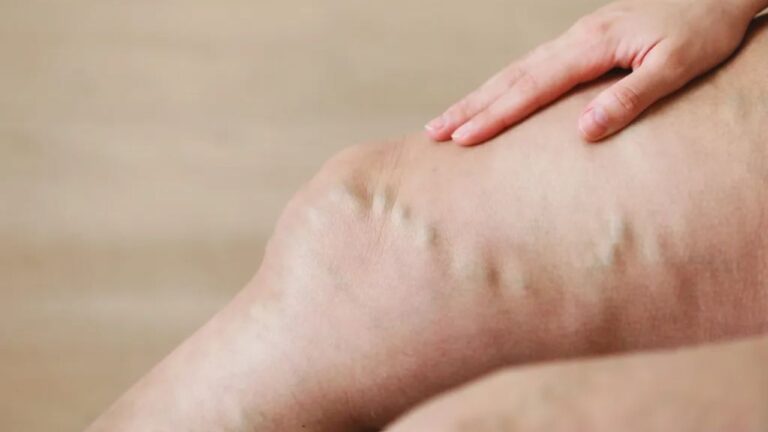
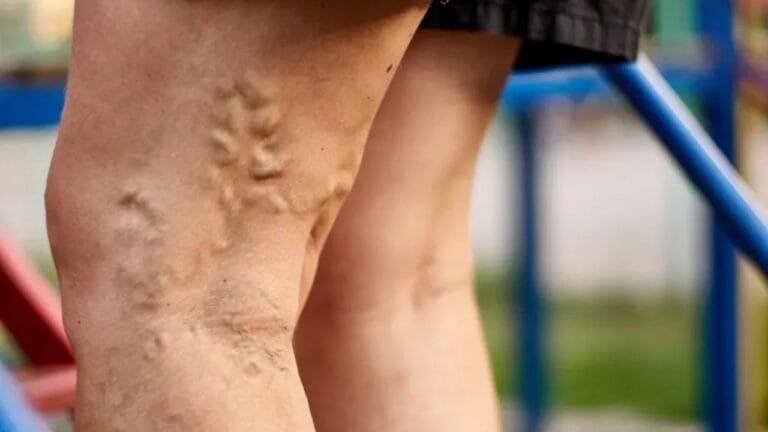
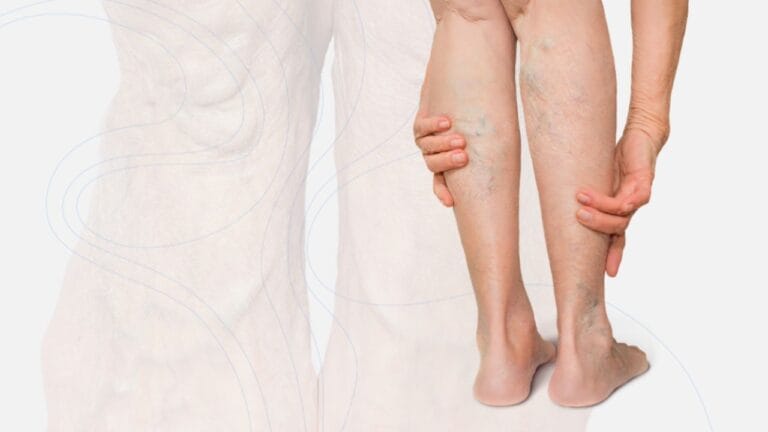
Varicose veins – those twisted, enlarged veins that often appear on the legs – are more than just a cosmetic concern. For some, they’re painless and mostly a visual issue. For others, they cause discomfort, swelling, and serious circulation problems.
The question is: when should you start worrying about varicose veins and seek treatment?
While mild cases may not need immediate medical attention, certain warning signs indicate that your veins are under stress and could lead to complications if ignored. Let’s dive deeper into when varicose veins become serious and how to manage them effectively.
Let’s see in detail-
What is Varicose Veins?
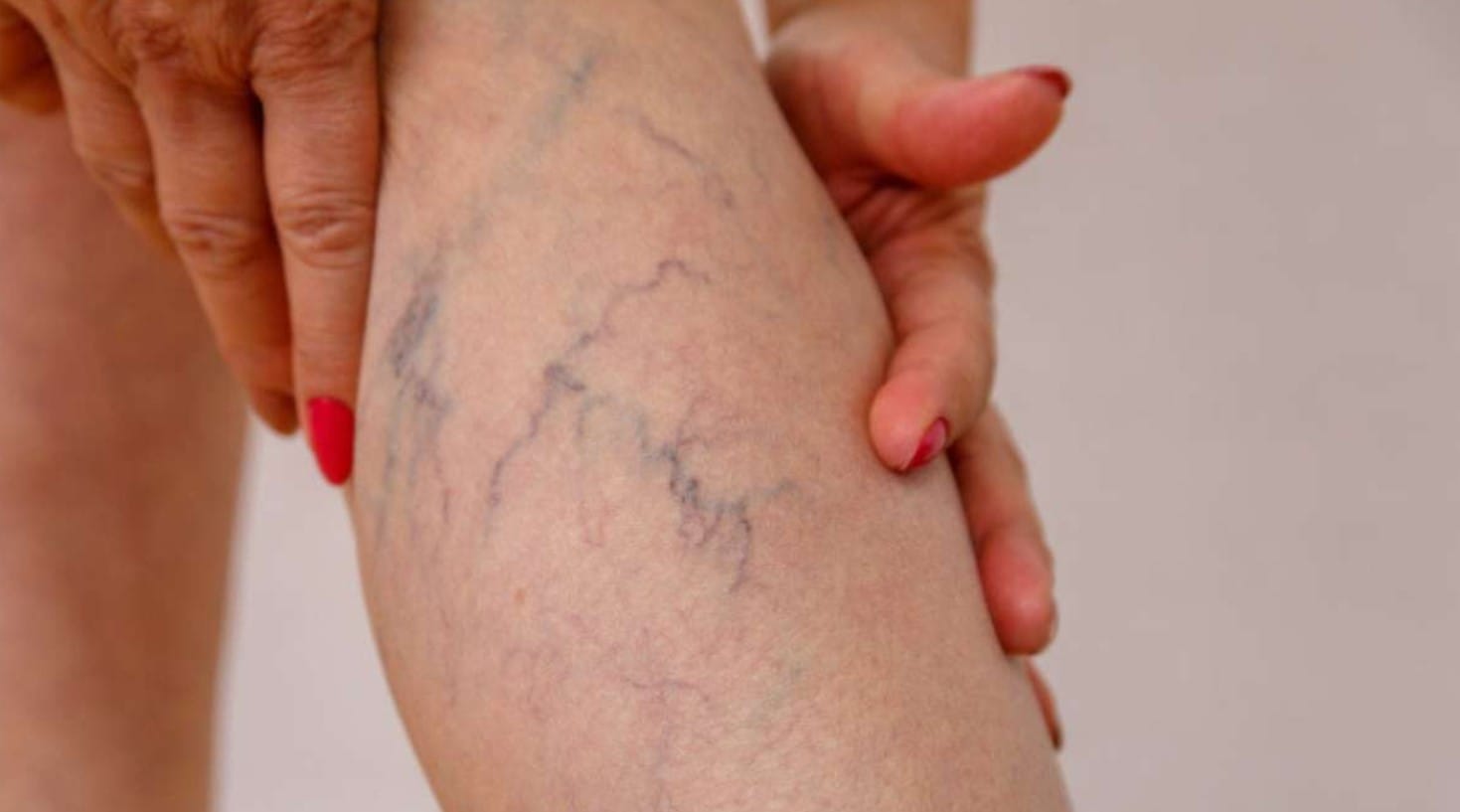
Varicose veins form when the valves in your veins – which help blood flow toward the heart -become weak or damaged. This allows blood to flow backward (a condition called venous reflux) and pool in the veins, causing them to enlarge or twist.
They usually develop in the legs because standing and walking increase pressure in the lower body veins.
Common Causes:
- Genetics or family history of vein problems
- Pregnancy and hormonal changes
- Obesity
- Long periods of standing or sitting
- Aging (reduced elasticity of veins)
- Lack of physical activity
While these factors are common, not everyone develops serious vein disease. The key lies in recognizing when your symptoms signal a bigger problem.
When to Worry About Varicose Veins?
You should start to worry or seek medical advice when your varicose veins cause pain, swelling, skin changes, or bleeding. Many people also ask how to relieve varicose vein pain, and while lifestyle changes can offer temporary relief, persistent symptoms still require proper medical evaluation. These are signs that the condition has moved beyond a cosmetic issue to a circulatory problem.
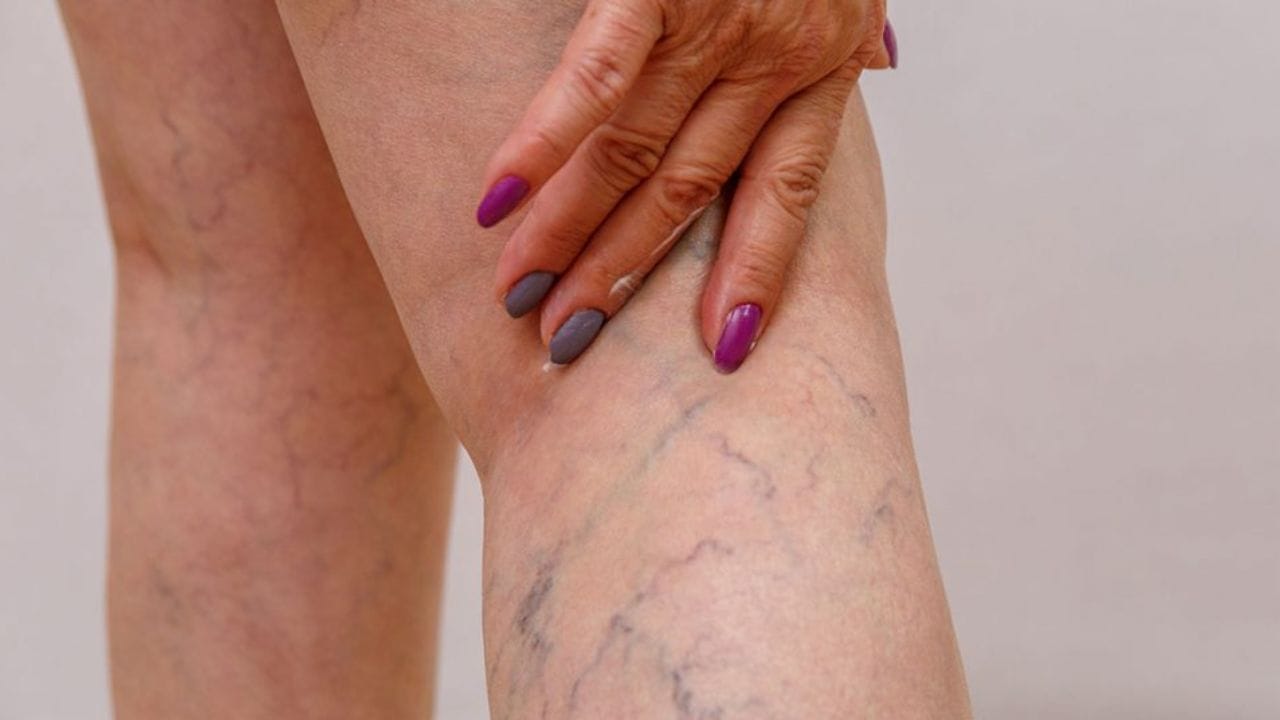
However, here are the major symptoms that require attention:
1. Persistent Pain or Heaviness in the Legs
If your legs often feel heavy, throbbing, or aching after long periods of standing, it’s a sign your veins are struggling to push blood back to your heart. Pain that worsens throughout the day indicates increasing venous pressure.
2. Swelling Around the Ankles and Feet
Swelling (edema) is one of the earliest indicators of poor venous circulation. It usually worsens by evening and can make shoes feel tight. Chronic swelling can lead to skin breakdown and ulcers if untreated.
3. Skin Changes or Discoloration
When blood pools in your veins for too long, iron and waste products leak into surrounding tissues, causing brown, blue, or reddish patches on your lower legs. This is an early sign of chronic venous insufficiency (CVI).
If your skin starts thickening, hardening, or itching, it means your condition is progressing.
4. Non-Healing Sores or Ulcers
Open wounds (called venous ulcers) that develop near the ankles or lower legs are a major warning sign. They occur due to long-term pressure buildup and poor oxygen supply to tissues. Ulcers can get infected and are very slow to heal without treatment.
5. Sudden Bleeding from Varicose Veins
If your varicose vein ruptures (even from a minor bump or scratch), it may bleed significantly because of the high internal pressure. This is a medical emergency that requires immediate care.
6. Redness, Warmth, or Tenderness Along a Vein
These symptoms could indicate superficial thrombophlebitis – a blood clot in a surface vein. If the pain is deeper or accompanied by swelling in one leg, it might be a deep vein thrombosis (DVT), which can be life-threatening if the clot travels to the lungs.
7. Restless Legs or Night Cramps
Cramping, throbbing, or itching sensations at night can be early signs of worsening vein disease. These symptoms shouldn’t be ignored, especially if they interfere with sleep.
When Varicose Veins Become Dangerous
While many varicose veins are harmless, certain symptoms signal serious underlying problems that require medical attention. Ignoring these warning signs can lead to complications affecting your circulation, skin, and overall health. Watch for the following:
- Chronic Pain or Limited Mobility: Persistent aching, heaviness, or throbbing in the legs that makes walking or standing difficult.
- Ulcers or Infections: Open sores near the ankles or lower legs that are slow to heal and prone to infection.
- Blood Clots (DVT or Thrombophlebitis): Clot formation in surface or deep veins, which can be life-threatening if a clot reaches the lungs.
- Skin Changes or Permanent Scarring: Thickened, hardened, or discolored skin due to long-term venous pressure.
- Impact on Daily Comfort and Confidence: Pain, swelling, and visible veins that interfere with physical activity, clothing choices, or self-esteem.
When to Seek Medical Treatment?
You should see a doctor or vein specialist if:
- Your varicose veins are painful, swollen, or itchy
- You notice color changes or skin ulcers on your legs
- Your veins suddenly enlarge or become firm
- You experience bleeding from a vein
- You feel calf pain, redness, or warmth in one leg
Even if your symptoms feel mild or come and go, getting checked early can prevent bigger problems and often means simpler, less invasive treatment. And when you want the kind of expert care that gives you clarity and confidence, consider consulting Houston vascular surgeon, Dr. Rema Malik, who provides personalized treatment plans and long-term support for healthier veins.
Treatment Options for Varicose Veins
Fortunately, modern treatments are highly effective and minimally invasive. Depending on the severity, your doctor may recommend one or more of the following:
1. Lifestyle Adjustments
- Regular walking or low-impact exercises.
- Elevating legs while resting.
- Avoid standing or sitting for long hours.
- Wearing compression stockings.
These steps improve blood circulation and reduce swelling.
2. Medical Treatments
- Sclerotherapy: Injection of a solution that closes smaller veins
- Endovenous Laser Therapy (EVLT): Uses laser energy to seal the damaged vein
- Radiofrequency Ablation (RFA): Uses heat to close the vein
- Ambulatory Phlebectomy: Removes visible surface veins through tiny incisions
- Surgical Stripping or Ligation: Removes large veins (less common today)
These procedures are usually outpatient and require little downtime.
Possible Risks of Delaying Treatment
Ignoring varicose veins can lead to complications such as:
- Venous ulcers that are painful and slow to heal
- Blood clots (DVT) can cause serious circulation problems
- Infections from open wounds
- Permanent skin damage and dark pigmentation
- Reduced mobility and quality of life
Early treatment not only prevents these issues but also improves comfort, confidence, and long-term vascular health.
Conclusion
So, when should you worry about varicose vein treatment?
The answer is very clear-you should worry when your veins start causing pain, swelling, skin changes, or open wounds. These are not just cosmetic issues – they signal an underlying circulation problem that needs medical attention.
The good news is that with today’s advanced, minimally invasive treatments, varicose veins can be effectively managed, restoring both comfort and confidence.
If you notice any warning signs, don’t delay – consult a vein specialist early to protect your long-term health and prevent serious complications.
Frequently Asked Questions (FAQ)
Are varicose veins dangerous if untreated?
Yes. Untreated varicose veins can lead to ulcers, infections, and even blood clots that may become life-threatening.
Can I manage varicose veins naturally?
Lifestyle changes like regular exercise, weight control, and leg elevation can help manage symptoms, but won’t remove existing veins.
When should I see a doctor for varicose veins?
If you experience pain, swelling, skin changes, or ulcers, you should see a doctor immediately.
Is varicose vein treatment painful?
Most modern treatments are minimally invasive, performed under local anesthesia, and cause only mild discomfort.
Can varicose veins come back after treatment?
Yes, recurrence is possible, especially if lifestyle habits don’t change. Regular follow-ups and preventive care reduce the chances.