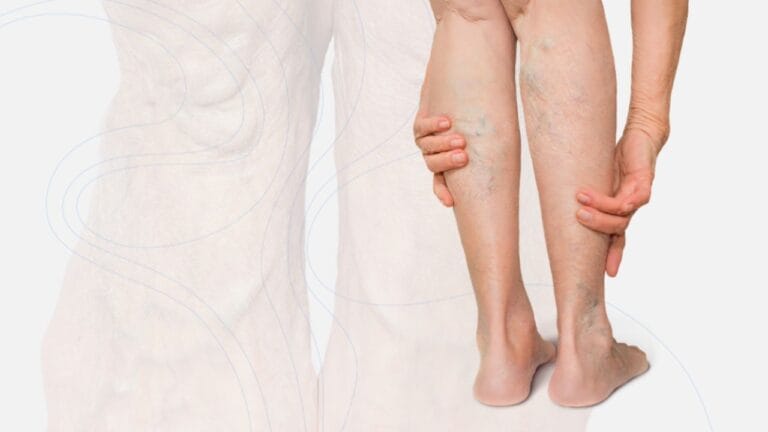
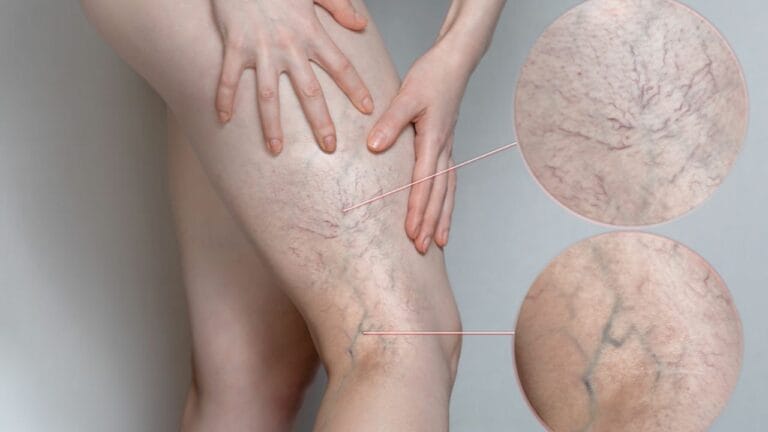
Venous insufficiency, also known as chronic venous insufficiency (CVI), is usually not fatal. It is a long-term condition where the veins in the legs have trouble sending blood back to the heart. This happens when the tiny one-way valves inside the veins become weak or damaged, allowing blood to flow backward and pool in the lower legs. As a result, symptoms like swelling, pain, heaviness, and skin changes can develop over time, especially if the condition is not managed early.
However, let’s see a detailed discussion on whether venous insufficiency is fetal or not-
Is Venous Insufficiency Fatal?
In most cases, chronic venous insufficiency itself is not directly life-threatening. The condition primarily affects circulation in the legs and causes discomfort, swelling, skin changes, and sometimes wounds called venous ulcers that heal slowly. These ulcers can become infected and may require medical care, but having CVI does not typically shorten life expectancy in healthy people.

However, complications related to the condition can lead to serious health issues if not cared for properly:
- Infected ulcers (cellulitis): Long-lasting wounds can become infected. If infection spreads into deeper tissues or the bloodstream, it can be dangerous without treatment.
- Blood clots: Although CVI itself isn’t the same as deep vein thrombosis (DVT), people with a history of DVT – a dangerous clot deep in a leg vein – are more likely to develop CVI and may have recurrent clot risks.
- Bleeding: Surface varicose veins or fragile skin around ulcers can bleed more easily, especially if bumped. While rare, significant bleeding can require urgent care.
So, CVI is rarely fatal on its own, but ignoring serious complications like infection and clots can pose risks that should be treated promptly.
Is Chronic Venous Insufficiency Life-Threatening?
Although CVI is not usually fatal, it can become serious if complications are ignored. For example, infected ulcers (cellulitis) can spread and become dangerous if not treated. People with a history of deep vein thrombosis (DVT) may also face increased risks, as damaged veins can lead to further circulation problems. While CVI alone is not life-threatening, its complications require timely medical attention to prevent serious outcomes.
As noted by the Cleveland Clinic, Chronic venous insufficiency is not life-threatening, but it can lead to serious complications if left untreated, such as leg ulcers, infections, and blood clots.
However, complications related to the condition can lead to serious health issues if not cared for properly:
Infected ulcers (cellulitis): Long-lasting wounds can become infected. If infection spreads into deeper tissues or the bloodstream, it can be dangerous without treatment.
Blood clots: Although CVI itself isn’t the same as deep vein thrombosis (DVT), people with a history of DVT-a dangerous clot deep in a leg vein-are more likely to develop CVI and may have recurrent clot risks.
Bleeding: Surface varicose veins or fragile skin around ulcers can bleed more easily, especially if bumped. While rare, significant bleeding can require urgent care.
So, CVI is rarely fatal on its own, but ignoring serious complications like infection and clots can pose risks that should be treated promptly
What Aggravates Venous Insufficiency?
Chronic Venous Insufficiency is a condition where the veins in your legs struggle to send blood back up to the heart. Normally, tiny valves inside the veins keep blood moving upward against gravity. When these valves weaken or become damaged, blood can pool in the lower legs, leading to swelling, pain, heaviness, skin changes, or even ulcers.
What makes this condition worse is anything that either increases pressure in the leg veins or reduces the efficiency of blood flow back to the heart. Over time, repeated strain or poor circulation can aggravate symptoms and speed up disease progression. Lifestyle habits, body conditions, and environmental factors all play a role in how severe it becomes.
Here are the main factors that can aggravate venous insufficiency:
- Prolonged immobility
Sitting or standing in one position for long periods increases pressure in the veins and promotes blood pooling in the legs, which is why understanding how to prevent venous insufficiency is essential. - Lack of physical activity
Without regular movement, especially walking, the calf muscles don’t effectively pump blood upward, worsening circulation. - Obesity
Excess body weight puts additional pressure on leg veins, making it harder for the valves to function properly and increasing the risk of complications, highlighting what can chronic venous insufficiency lead to. - Smoking
Tobacco damages blood vessels and impairs circulation, contributing to worsening vein health. - Pregnancy
Hormonal changes and increased blood volume raise pressure in the veins, putting extra strain on leg circulation. - Previous blood clots (like Deep Vein Thrombosis)
Past clots can damage vein valves, leading to long-term complications such as post-thrombotic syndrome. - Heat and tight clothing
Heat causes veins to dilate (expand), increasing swelling, while tight clothing can restrict proper blood flow.
Can Venous Insufficiency Lead to Serious Complications?
Yes, if left unmanaged, venous insufficiency can lead to complications that significantly affect health and quality of life. Chronic swelling and poor circulation may result in skin breakdown, ulcers, and infections. In more severe cases, these complications can become difficult to treat and may require long-term medical care.
Managing Venous Insufficiency
The good news is that venous insufficiency is manageable. Common treatment and prevention methods include:
- Wearing compression stockings.
- Regular walking and exercise.
- Elevating the legs when resting.
- Maintaining a healthy weight.
- Avoiding long periods of sitting or standing.
- Medical treatments when needed (medications or procedures).
When to See a Doctor?
Venous insufficiency develops gradually, and early symptoms are often mild but should not be ignored. Seek medical attention if you notice persistent leg swelling, pain, heaviness, or cramping, as these may indicate poor blood flow and worsening circulation.
Skin changes such as discoloration, itching, or thickening around the ankles can signal chronic inflammation. More serious signs include slow-healing wounds or ulcers, as well as redness, warmth, or sudden swelling, which may indicate infection and need urgent care.
People with a history of deep vein thrombosis (DVT) are at higher risk and should be especially careful to get early evaluation if symptoms appear.
For trusted, patient-focused care, Dr. Rima Malik is widely recognized for her expertise in diagnosing and treating venous and vascular conditions. Seeking professional guidance can help identify the condition early and create a personalized treatment plan.
During an appointment, a healthcare provider will examine your legs, review your medical history, and may use a duplex ultrasound to check blood flow and vein function. Based on the results, treatment may include lifestyle changes, compression therapy, medications, or minimally invasive procedures to improve circulation and reduce symptoms.
Frequently Asked Questions (FAQs)
Is venous insufficiency the same as varicose veins?
Not exactly. Varicose veins are often visible, twisted veins on the surface of the legs, while venous insufficiency refers to a deeper problem with blood returning to the heart. Varicose veins can be a symptom or sign of underlying venous insufficiency.
Can venous insufficiency be cured?
Venous insufficiency is generally considered a chronic condition, meaning there’s no single cure, but symptoms can often be managed well with lifestyle changes and medical treatments.
What treatments are available?
Treatment ranges from compression therapy, leg elevation, exercise, weight management, and medications to minimally invasive procedures that help reroute or close faulty veins when needed.
Can children or teens get venous insufficiency?
It’s much more common in adults, especially older adults or those with risk factors. However, severe injury, blood-clotting disorders, or congenital vein problems could cause similar issues in younger people.
Final Note
Chronic venous insufficiency is a common but manageable vascular condition. While it’s rarely fatal by itself, it can cause long-term discomfort and complications if ignored. With proper lifestyle changes, early medical guidance, and consistent care – such as regular movement, weight management, and appropriate medical treatment – many people live comfortably with this condition. Early recognition and professional advice are crucial for preventing complications and maintaining leg health.
References
- American medical sources and clinical overviews:
Cleveland Clinic. (2022). Chronic venous insufficiency (CVI): Causes, symptoms & treatment. Cleveland Clinic. Retrieved from https://my.clevelandclinic.org/health/diseases/16872-chronic-venous-insufficiency-cvi - Britannica, T. Editors of Encyclopaedia. (n.d.). Chronic venous insufficiency. Encyclopædia Britannica. Retrieved from https://www.britannica.com/science/chronic-venous-insufficiency
- National Library of Medicine. (n.d.). Venous insufficiency. In StatPearls. Retrieved from https://www.ncbi.nlm.nih.gov/books/NBK430975/
- Yale Medicine. (n.d.). Chronic venous insufficiency. Yale Medicine. Retrieved from https://www.yalemedicine.org/conditions/chronic-venous-insufficiency
- MedlinePlus. (n.d.). Venous insufficiency – Medical Encyclopedia. U.S. National Library of Medicine. Retrieved from https://medlineplus.gov/ency/article/000203.html
- Peer-reviewed journal and evidence sources:
de Roos, K. P. (2002). Chronic venous insufficiency. Nederlands Tijdschrift voor Geneeskunde, 146(17), 822–823. https://pubmed.ncbi.nlm.nih.gov/12014243/ - Study on CVI and mortality:
[Authors redacted for citation]. (2021). Chronic venous insufficiency, cardiovascular disease, and mortality: A population study. PubMed. Retrieved from https://pubmed.ncbi.nlm.nih.gov/34387673/