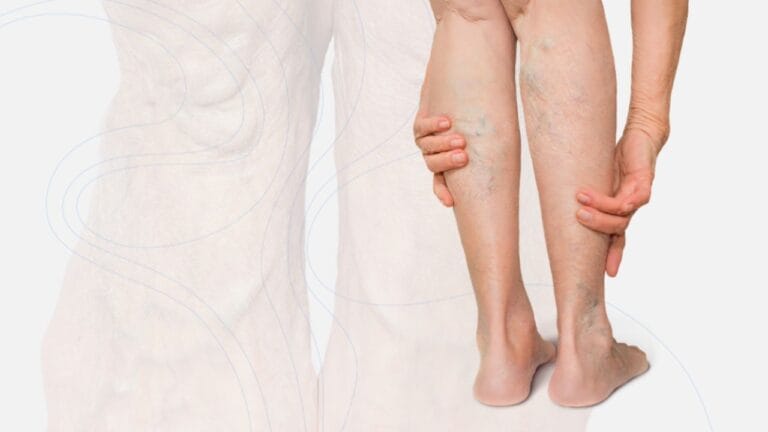
Varicose veins are swollen, twisted veins that often appear in the legs and can cause pain, heaviness, or discomfort. Treating them effectively requires understanding the exact structure of your veins. This is where vein mapping ultrasound comes in.
Vein mapping ultrasound is a non-invasive imaging technique that helps doctors visualize your veins and plan precise varicose vein treatments. It shows which veins are functioning normally and which have faulty valves, guiding procedures like laser therapy, sclerotherapy, or vein removal.
In this guide, we’ll explain what is -vein mapping ultrasound for varicose vein treatment, how it works, why it’s important, and what to expect before, during, and after the test.
Let’s enjoy the details-
What is Vein Mapping Ultrasound for Varicose Vein Treatment?
Vein mapping ultrasound is a specialized, non-invasive test that helps doctors see the veins in your legs and understand how well they are working. Unlike a visual exam, which only looks at veins on the surface, vein mapping provides a detailed map of your entire venous system, including both superficial veins (near the skin) and deep veins (under the muscles). This map is essential for planning safe, effective, and precise varicose vein treatments.
Why Vein Mapping is Important?
Varicose veins happen when vein valves don’t work properly, causing blood to pool instead of flowing back to the heart. Treating varicose veins successfully depends on knowing which veins are affected. Vein mapping helps doctors:
- Identify veins with valve problems or blood reflux.
- Determine the size, location, and path of problematic veins.
- Detect deep vein issues that aren’t visible on the surface.
- Avoid treating healthy veins unnecessarily.
- Plan minimally invasive procedures such as endovenous laser therapy (EVLT), radiofrequency ablation (RFA), sclerotherapy, or microphlebectomy with accuracy.
By understanding your vein structure, you’ll also know when to seek treatment for varicose veins, ensuring that issues are addressed before they worsen or cause complications.
How Vein Mapping Ultrasound Works
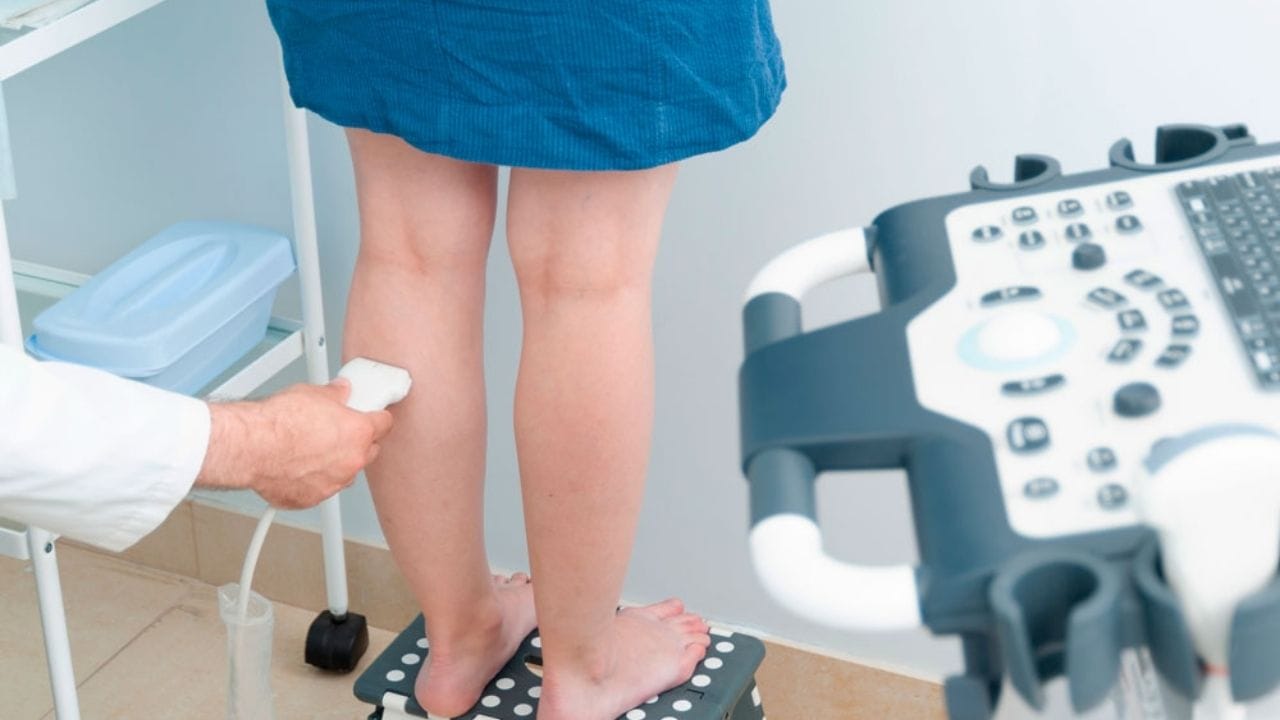
Vein mapping uses Doppler ultrasound, which sends sound waves into your legs to create live images of blood flow. The procedure is safe, painless, and non-invasive. Here’s what usually happens:
- You lie on an exam table in a comfortable position.
- A gel is applied to your legs to improve image quality.
- A handheld probe (transducer) is moved over your legs to capture images of your veins.
- The technician may ask you to stand or elevate your legs to see how the veins behave in different positions.
- The images are recorded and analysed to produce a detailed map of your veins.
Benefits of Vein Mapping Ultrasound
Vein mapping ultrasound offers several advantages for both patients and doctors:
- Provides a clear, accurate view of all veins, including deep veins.
- Helps doctors plan targeted, safe, and effective treatments.
- Minimizes risks by avoiding healthy veins and surrounding tissues.
- Improves long-term outcomes and reduces recurrence of varicose veins.
- Allows for a personalized treatment plan based on your vein structure.
Who Should Get Vein Mapping Ultrasound?
Vein mapping is recommended for people with symptomatic varicose veins, including those who:
- Have visible, bulging veins on their legs.
- Experience leg pain, heaviness, swelling, or fatigue.
- We are planning interventional treatments like laser therapy, sclerotherapy, or vein surgery.
- Have recurring varicose veins or a family history of vein problems
How Vein Mapping Helps in Varicose Vein Treatment
Vein mapping ultrasound plays a crucial role in managing and treating varicose veins. First, it allows for an accurate diagnosis, identifying which veins are malfunctioning and causing symptoms such as pain, swelling, heaviness, or visible bulging. By visualising both superficial and deep veins, doctors can detect underlying issues not visible on the surface.
Second, it is essential for treatment planning. With a precise vein map, specialists can plan procedures like EVLT, RFA, sclerotherapy, or microphlebectomy more effectively. Only the affected veins are treated, while healthy veins remain untouched.
Third, vein mapping minimizes risks during procedures by providing a clear roadmap of the venous system, helping doctors avoid damaging vital veins, surrounding tissues, or nerves. Finally, it leads to better outcomes, reducing recurrence, improving cosmetic results, and enhancing overall patient satisfaction.
When to See the Doctor?
It’s important to seek medical care if you notice any of the following:
- Pain, heaviness, or swelling in your legs.
- Bulging veins that worsen over time.
- Skin changes, redness, or ulcers near the veins.
- Bleeding from veins or sudden leg discomfort.
Early consultation with a specialist can make a big difference. For expert evaluation and personalized care, contact the best doctor in Houston, Dr Rema Malik. She can provide a proper diagnosis, recommend the most effective treatment, and help prevent complications, ensuring long-term vein health.
Conclusion
Vein mapping ultrasound is an essential tool in modern varicose vein treatment. It provides a clear, detailed map of your veins, helping doctors plan safe and effective procedures. If you are considering treatment for varicose veins, ask your vascular specialist about vein mapping ultrasound to ensure the best results and long-term vein health.
So if you have any queries, please feel free to knock me.
Frequently Asked Questions (FAQ)
Is vein mapping ultrasound safe?
Yes. Vein mapping ultrasound is safe and painless. It uses sound waves, not radiation. You can go back to normal activities right after the test.
Do I need vein mapping before varicose vein treatment?
Yes. It shows which veins need treatment. This helps doctors plan procedures like laser therapy or sclerotherapy safely and accurately.
Can vein mapping detect deep vein problems?
Yes. It checks both surface and deep veins. It can find valve problems, blood pooling, or clots that you cannot see.
How long does the procedure take?
Vein mapping usually takes 20-45 minutes. Sometimes the technician asks you to stand or raise your legs for better results.
Will insurance cover vein mapping?
It depends on your plan. Many insurance providers cover it if it is medically necessary. Check with your insurer before the test